
01 / AUT
Automotive
The part is tied to the line rhythm. If the window slips, production stops.
Sector need
When time-sensitive components and production flow must stay on one plan.
Open sector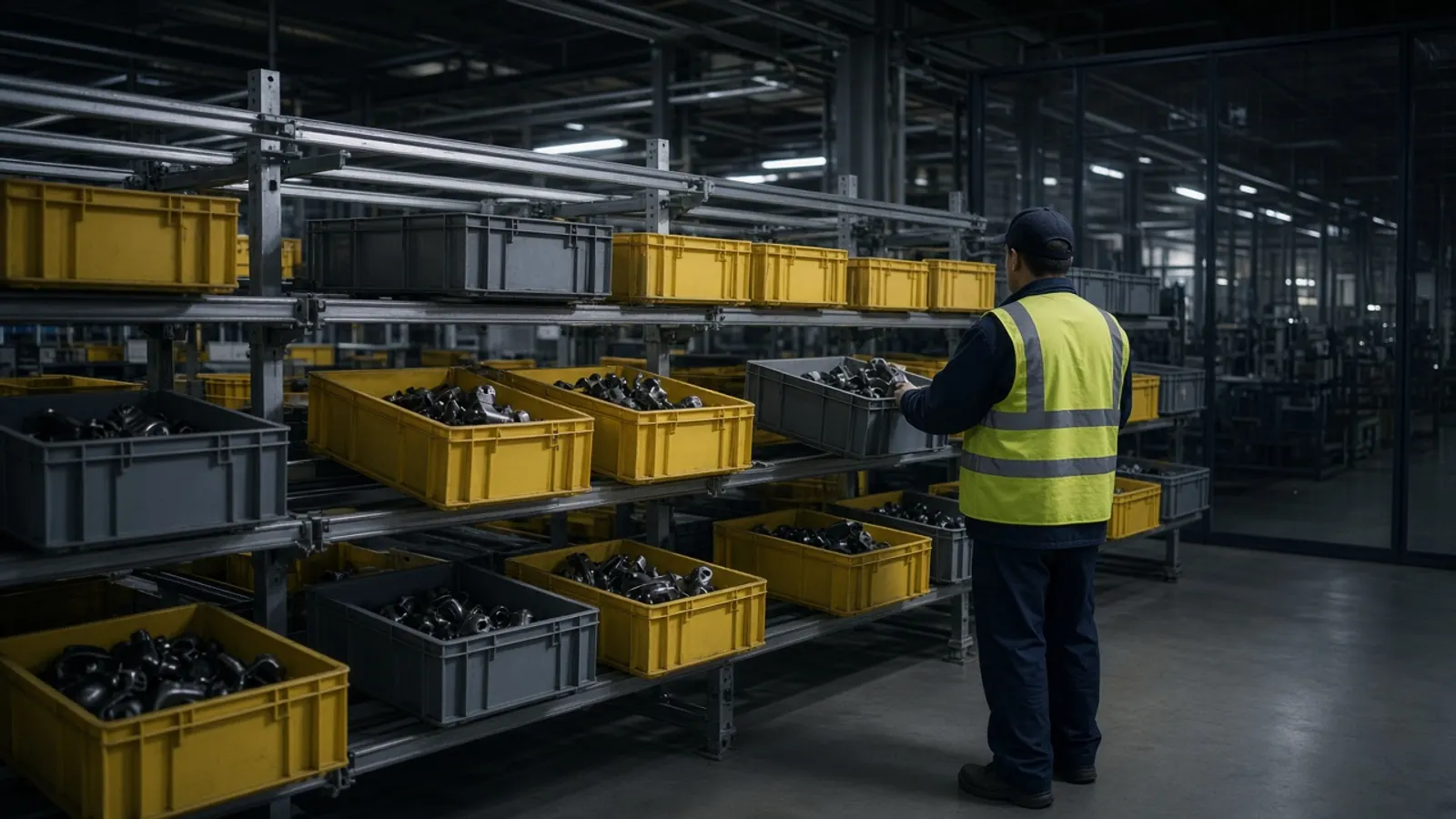
AUT 01
Industries
Five industries, not five catalogues. Production, season, cold chain and the store wave stay in one operating language.
Lanes
01 / AUT
The part is tied to the line rhythm. If the window slips, production stops.
Sector need
When time-sensitive components and production flow must stay on one plan.
Open sector02 / MCH
Oversized cargo does not move until permits and equipment lock in one package.
Sector need
When industrial cargo, export and project logistics must stay in one field discipline.
Open sector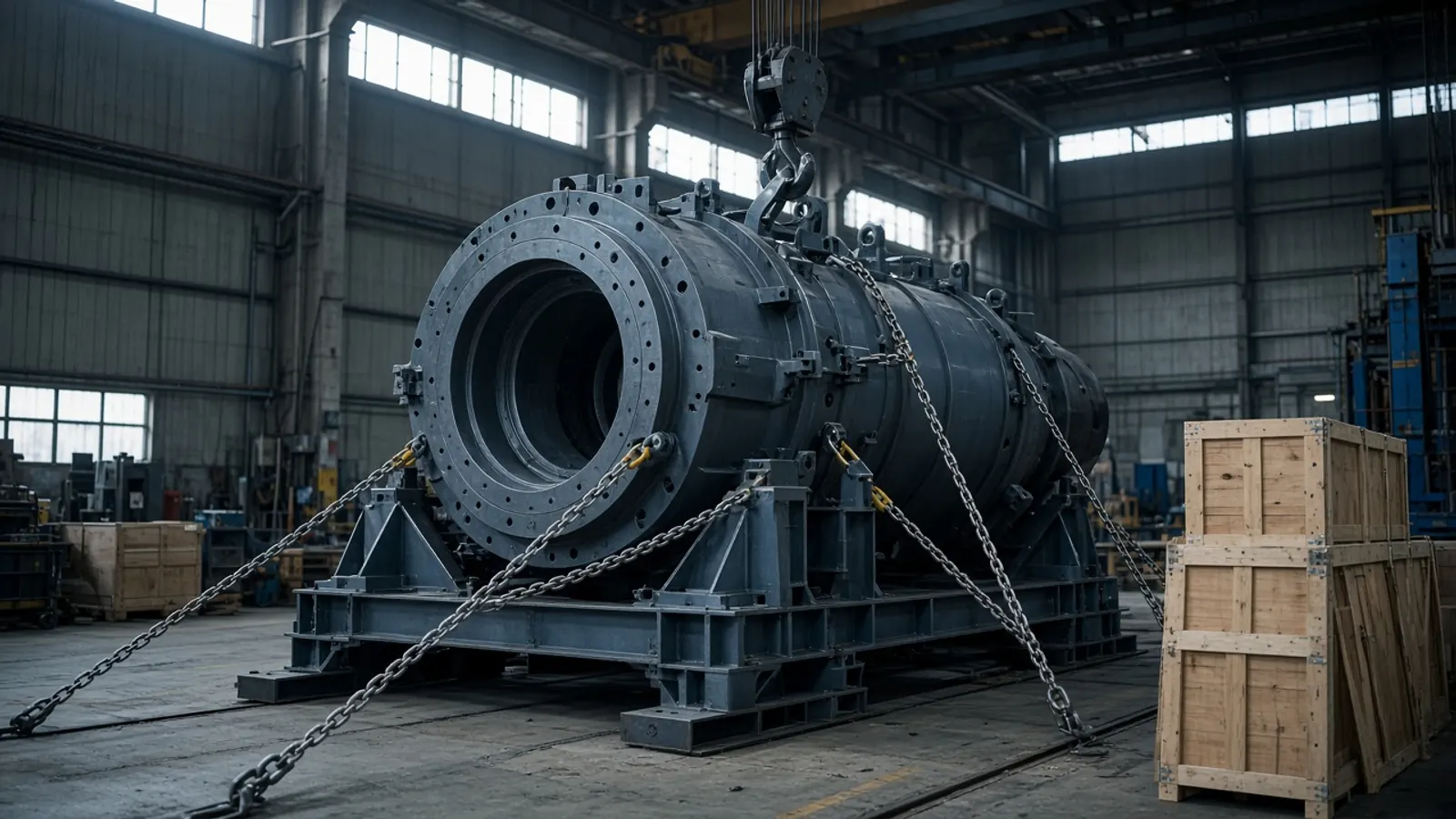
03 / TEX
If the season window slips, consolidation loses its meaning.
Sector need
When seasonal pressure and international distribution must stay on one calendar.
Open sector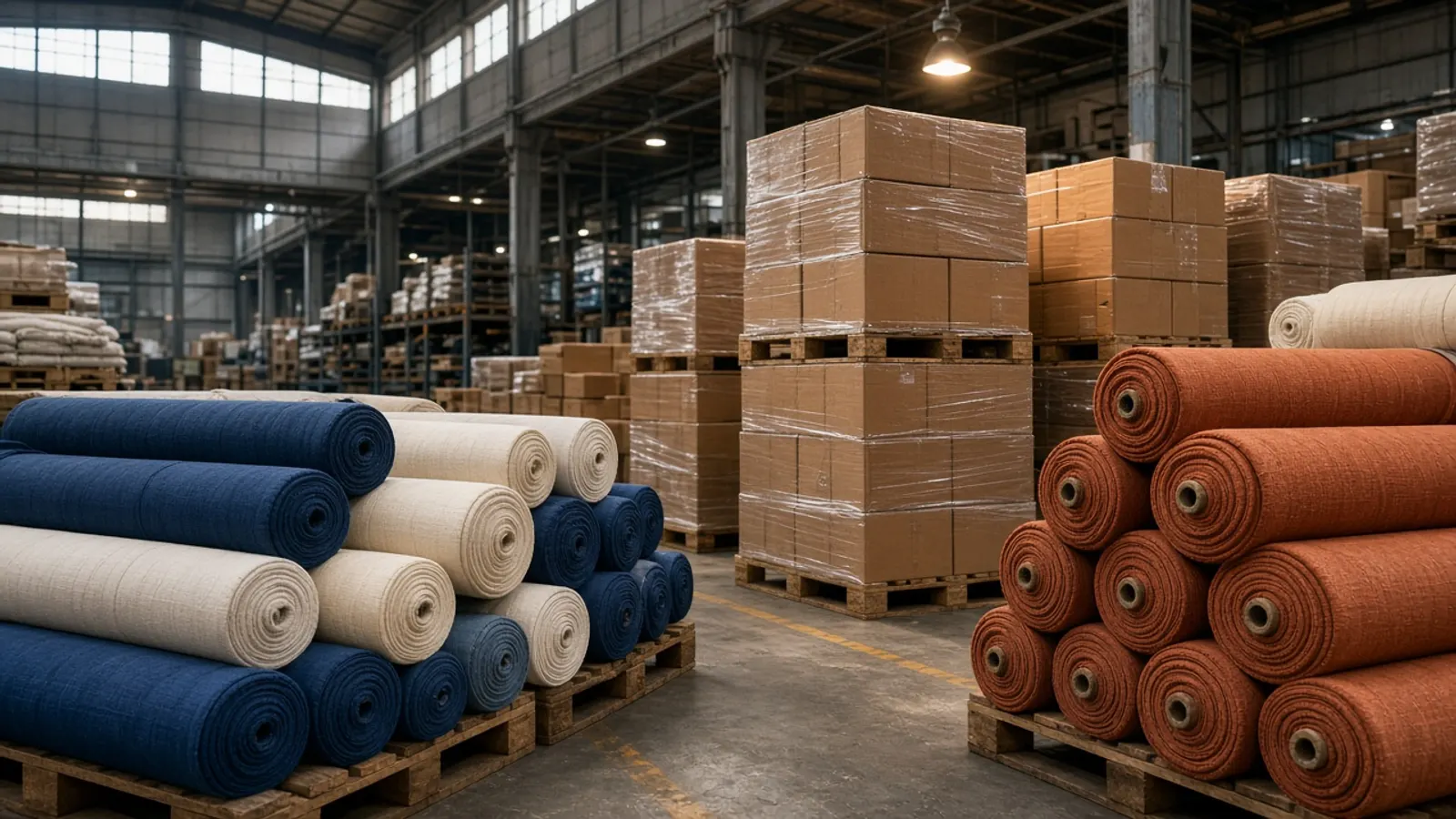
04 / FOD
The cold chain sits inside the transport plan, not beside it.
Sector need
When controlled operational planning must not split hygiene, temperature and the delivery window.
Open sector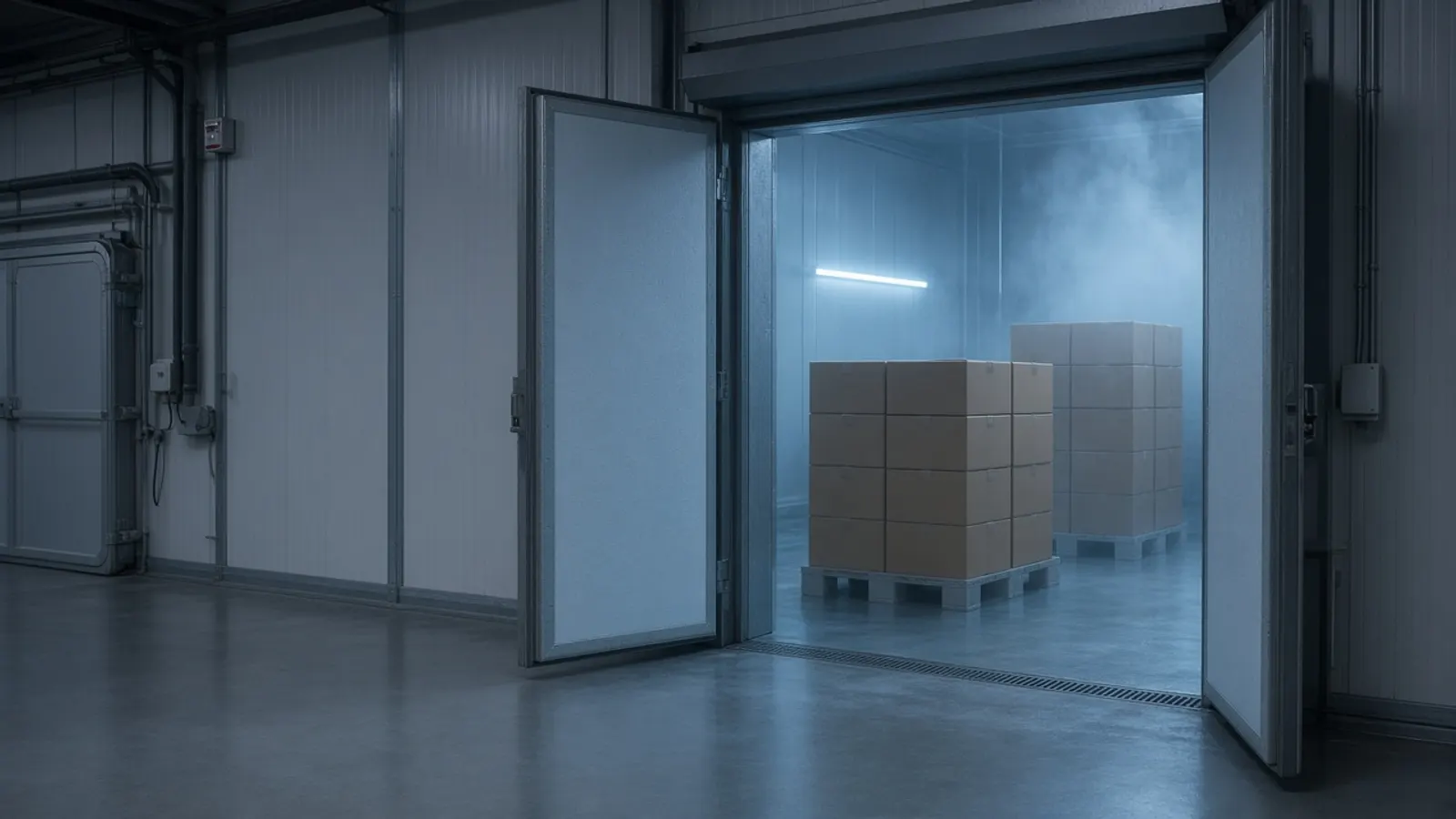
05 / RTL
Store delivery cannot run as a separate process while stock is visible in the warehouse.
Sector need
When warehousing and distribution stay in the same rhythm as the store or e-commerce wave.
Open sector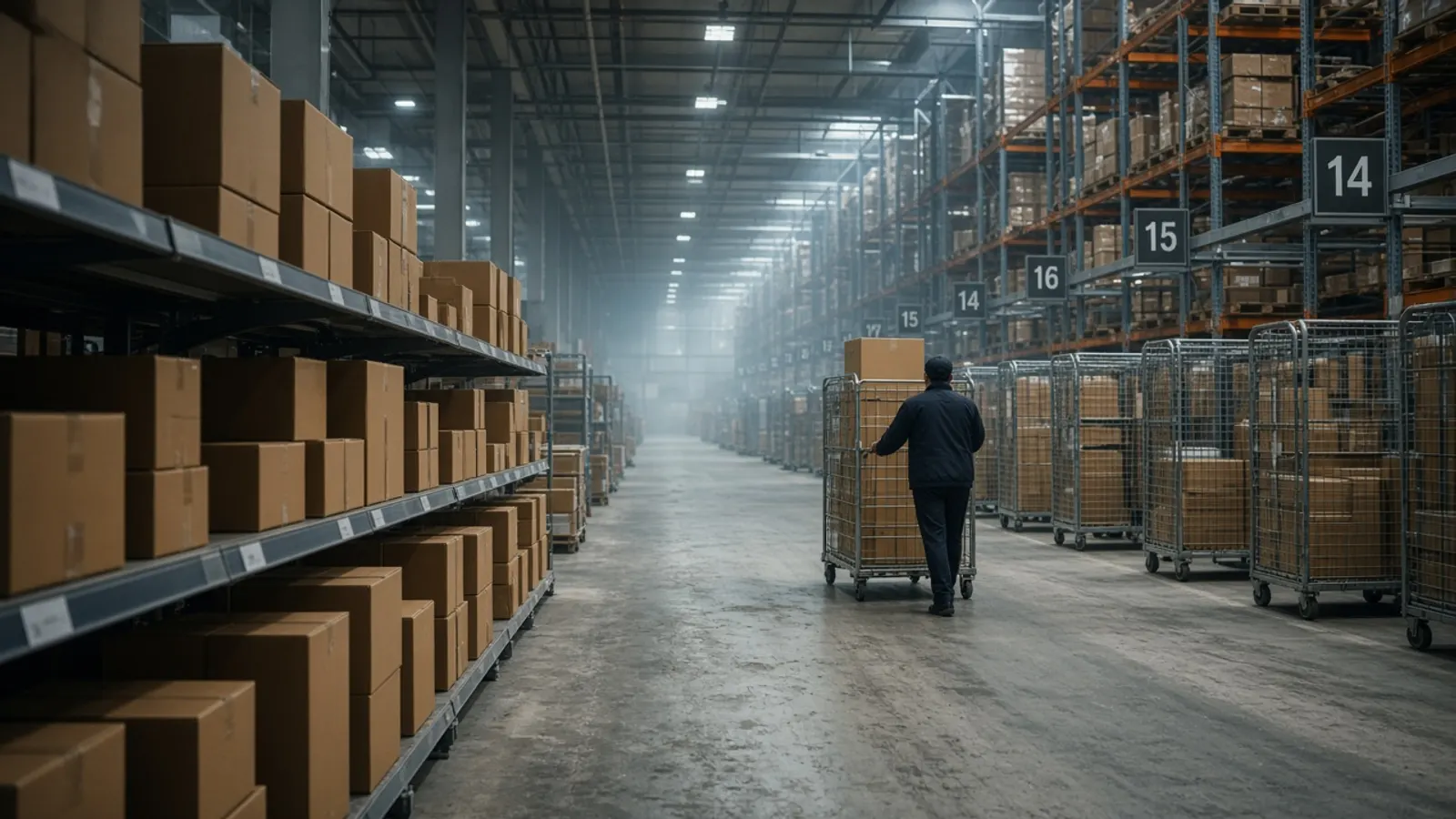
Approach
The automotive window, the textile season and the food chain differ. Visibility lives with whoever decides at the transfer.
01 / AUT
When time-sensitive components and production flow must stay on one plan.
02 / MCH
When industrial cargo, export and project logistics must stay in one field discipline.
03 / TEX
When seasonal pressure and international distribution must stay on one calendar.
04 / FOD
When controlled operational planning must not split hygiene, temperature and the delivery window.
05 / RTL
When warehousing and distribution stay in the same rhythm as the store or e-commerce wave.
Services
Road, sea, air, intermodal and warehouse are not sold apart. Lane rhythm sets the model.
 01
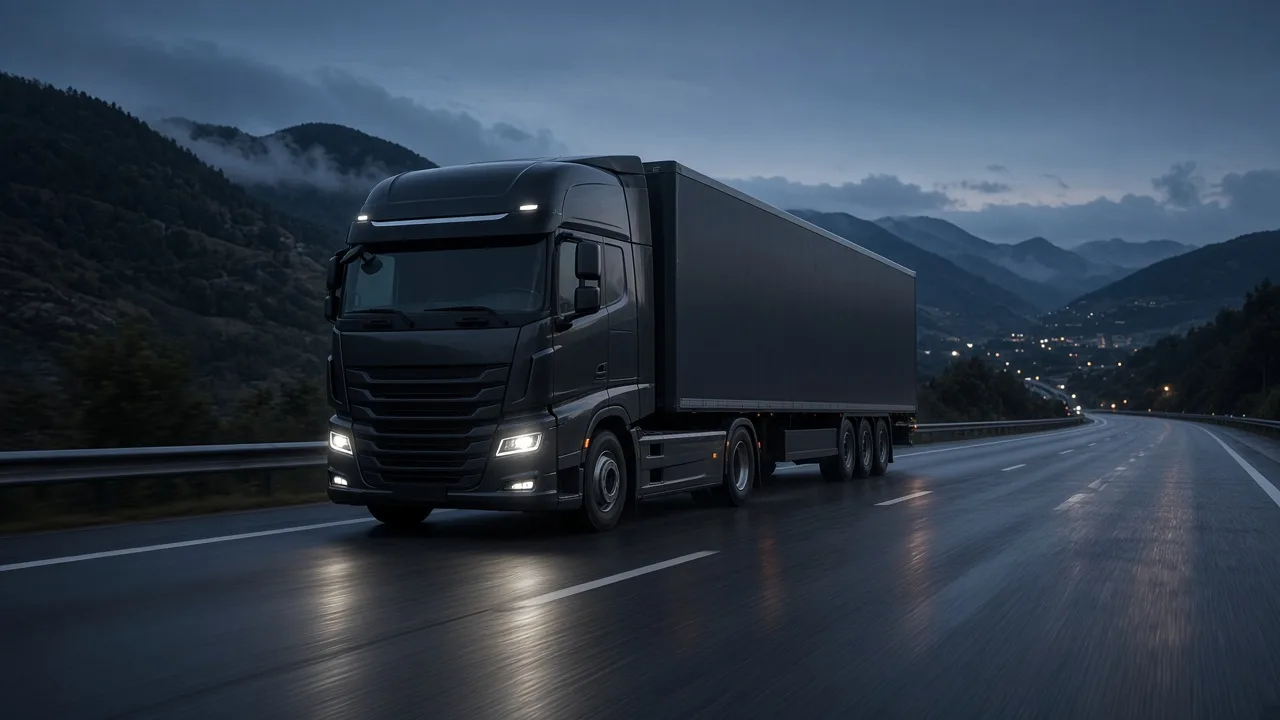
01When the time window is tight, the border must stay visible, and delivery has to match the receiver’s rhythm.
 02
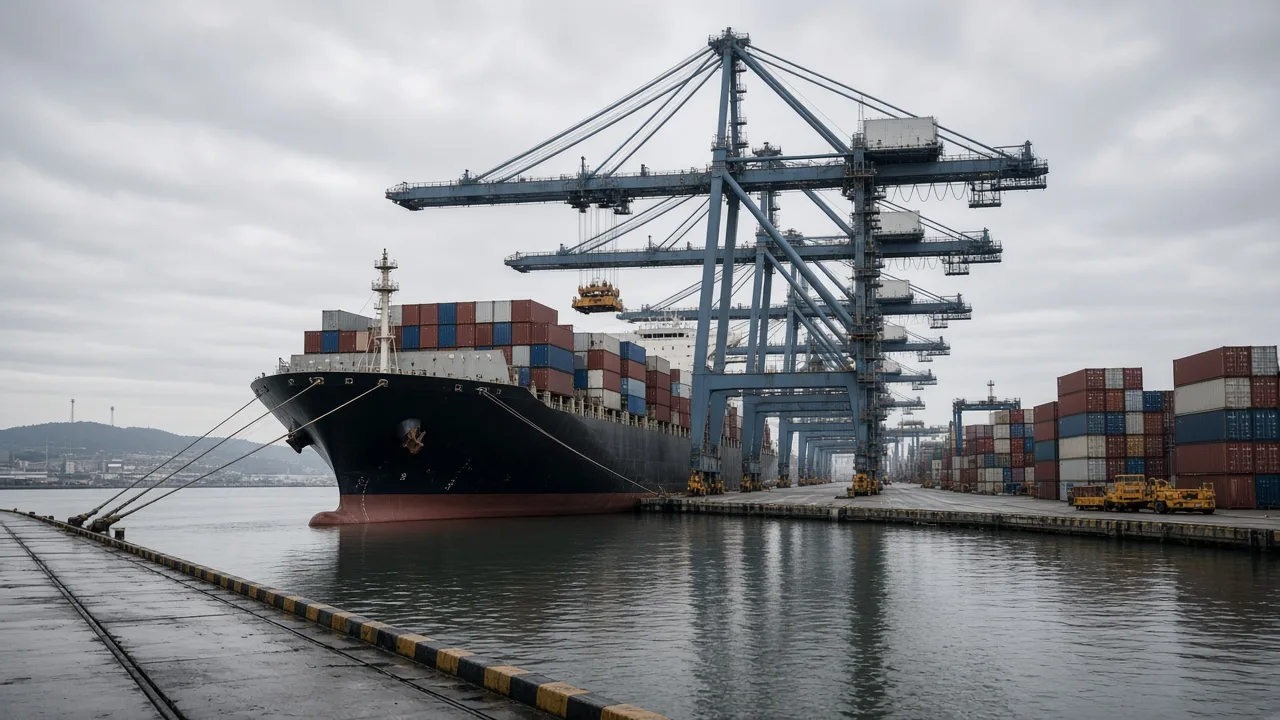
02When volume is high, cost is sensitive, and a port transfer can slip the arrival date.
 03
03When a delay would stop production, miss a season, or hold a spare-parts line.
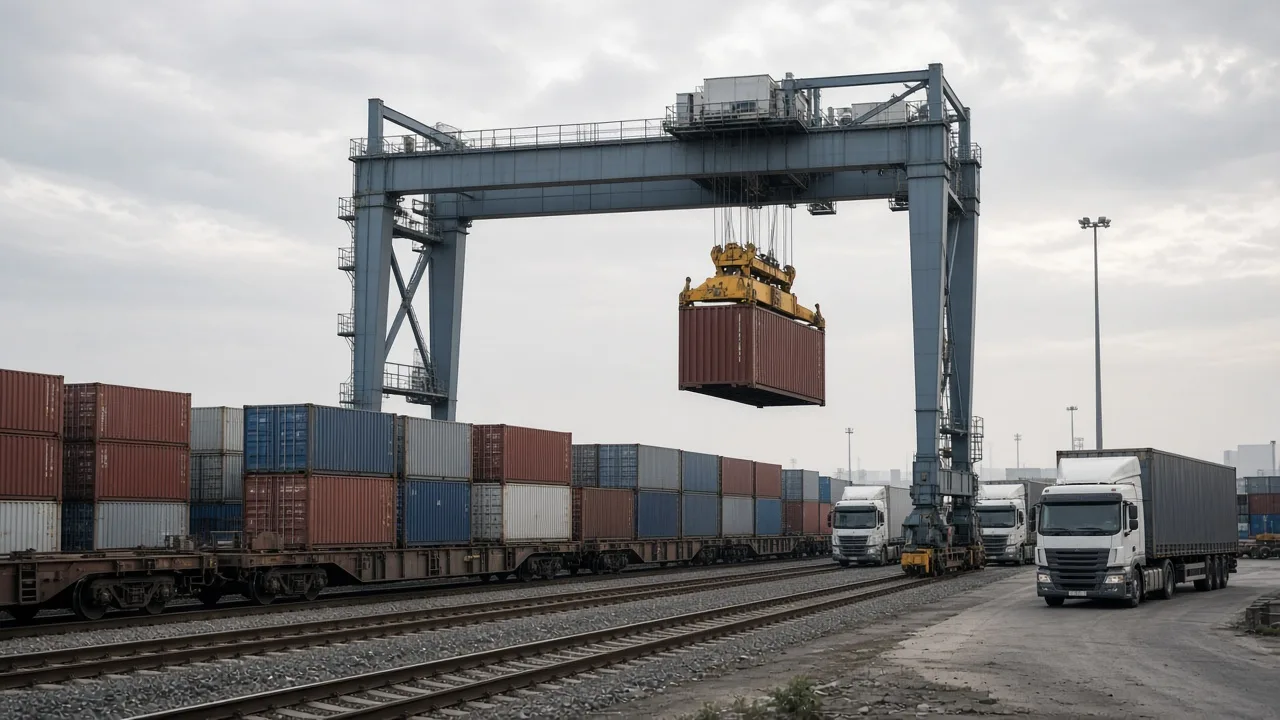 04
04When a single mode breaks cost or timing, and port, rail and last mile must stay on one calendar.
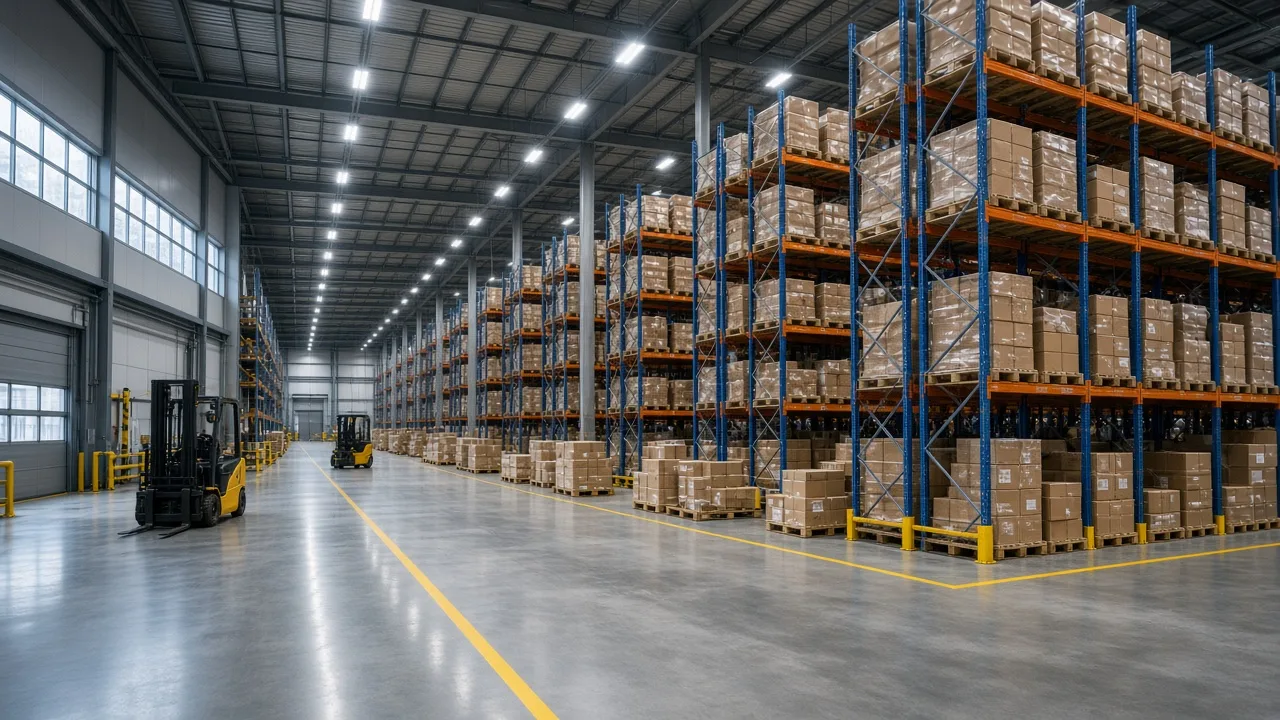 05
05When seasonal stock is visible in the warehouse, but store or line delivery runs as a separate process.
Quote
Share the cargo, window and lane need. We read the mode from the sector.