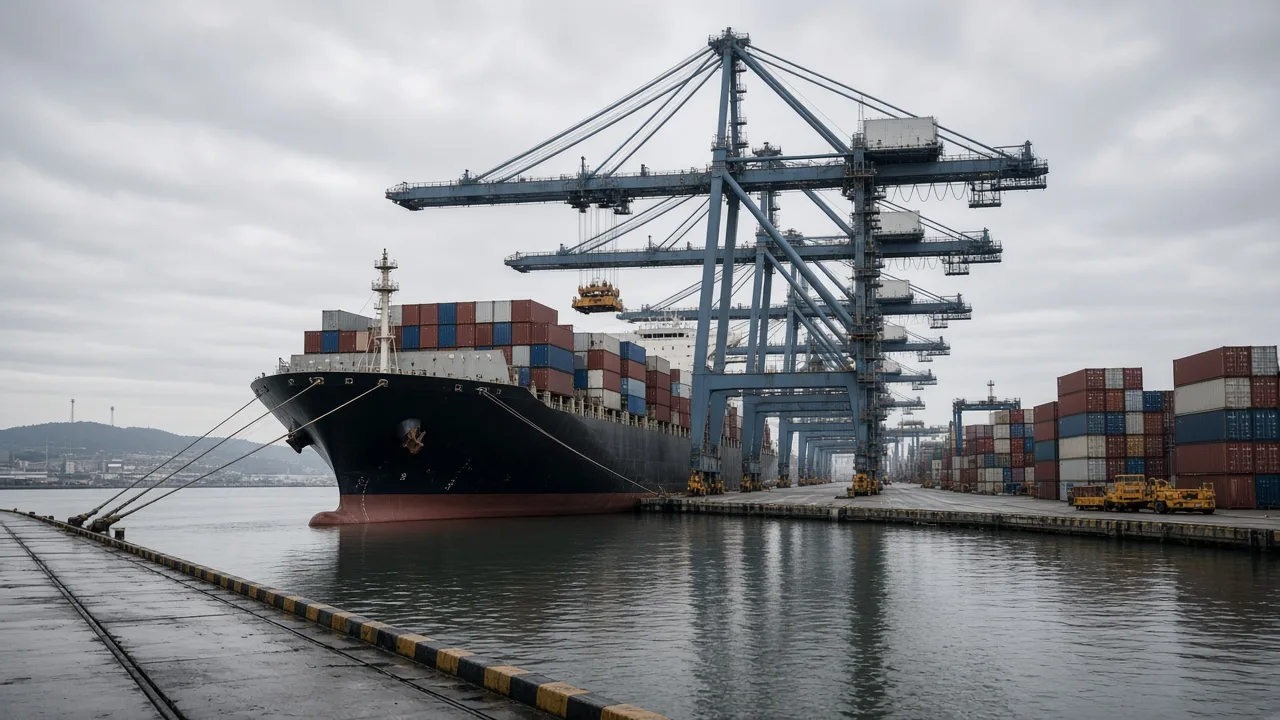
An export route is not a line between two points on a map. Every step from plant exit to delivery in the destination country must be read on one plan.
Planning does not start with “shortest distance”. The route should not reach the field until capacity, permits, cut-off and client window lock.
Data
What data starts the plan?
A route locked on incomplete data fragments at transfer. Four areas must be clear before planning starts.
Cargo profile
- Dimensions, weight and stacking limits.
- ADR, cold chain or special transport requirement.
- Loading equipment need (trailer type, crane, dock).
Destination conditions
- Not address alone — dock window and delivery type.
- Acceptance conditions and unload equipment.
- Customs and delivery sequence in destination country.
Carrier capacity and booking window are part of route design — not a step added later.
Mode
Mode choice is part of the route
In export, mode is not chosen from a catalogue label. Volume, time, risk and arrival flexibility are read together.
Mode combinations
- Road–sea–road: port cut-off and inland haul on one calendar.
- Intermodal: rail connection as a visible step in the route file.
- Direct FTL: border crossing and delivery on one carrier.
Wrong mode choice usually comes from missed cut-off or unplanned transfer — not cost alone.
Transfer
Lock transfer points in advance
Border gate, port terminal, CFS warehouse or intermodal terminal should be planned as slot and window — not names on a map.

Visibility at transfer
- Visibility lives wherever decisions happen.
- Carrier change, document check and load sequence move in one language.
- Alternative routing should be rebuildable when the plan changes.
Window
Time window and exception management
Delivery window is not the last step — it is the locking parameter. Read backwards and port cut-off, border crossing and plant departure clarify.
The plan stays live
- Delay, capacity change or missing paperwork updates in the plan file.
- New carrier or alternative transfer ties to the same calendar.
- Client is informed before a break — a location pin is not enough.