
01 / TRK
Road Freight
Planned, visible and flexible road transport across domestic and international lanes.
Typical need
When the time window is tight, the border must stay visible, and delivery has to match the receiver’s rhythm.
Open detail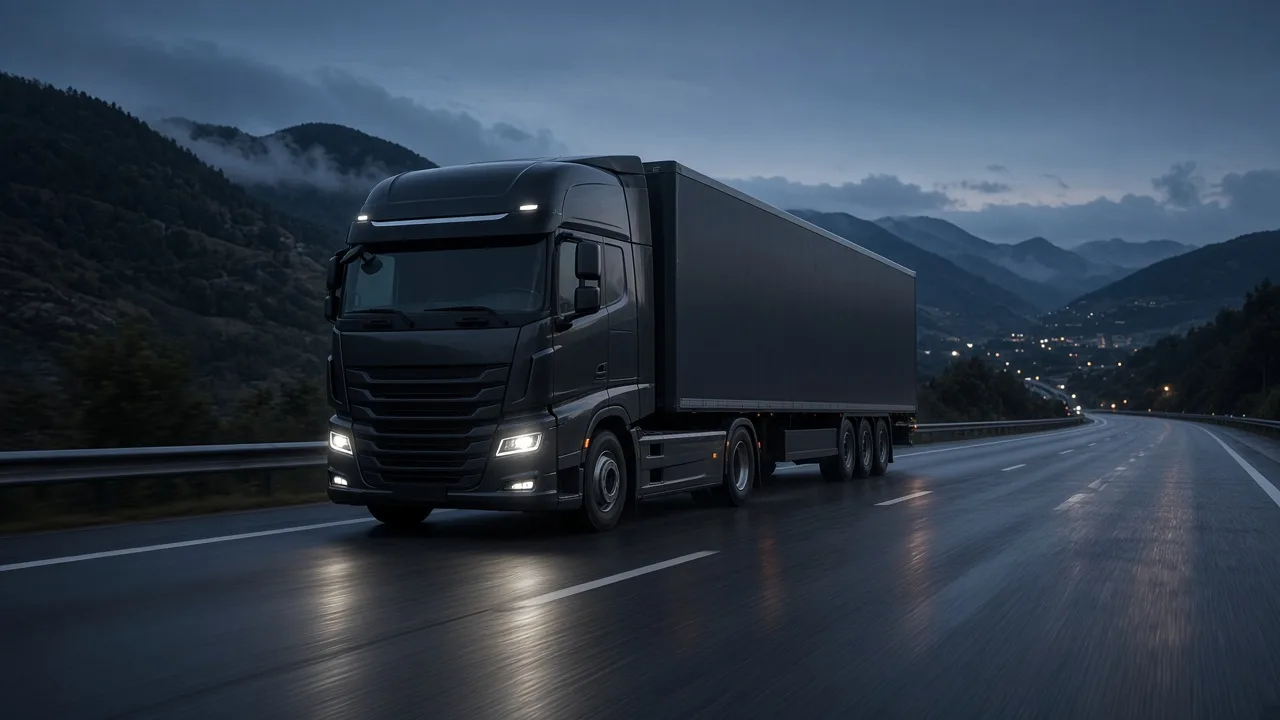
TRK 01
Services
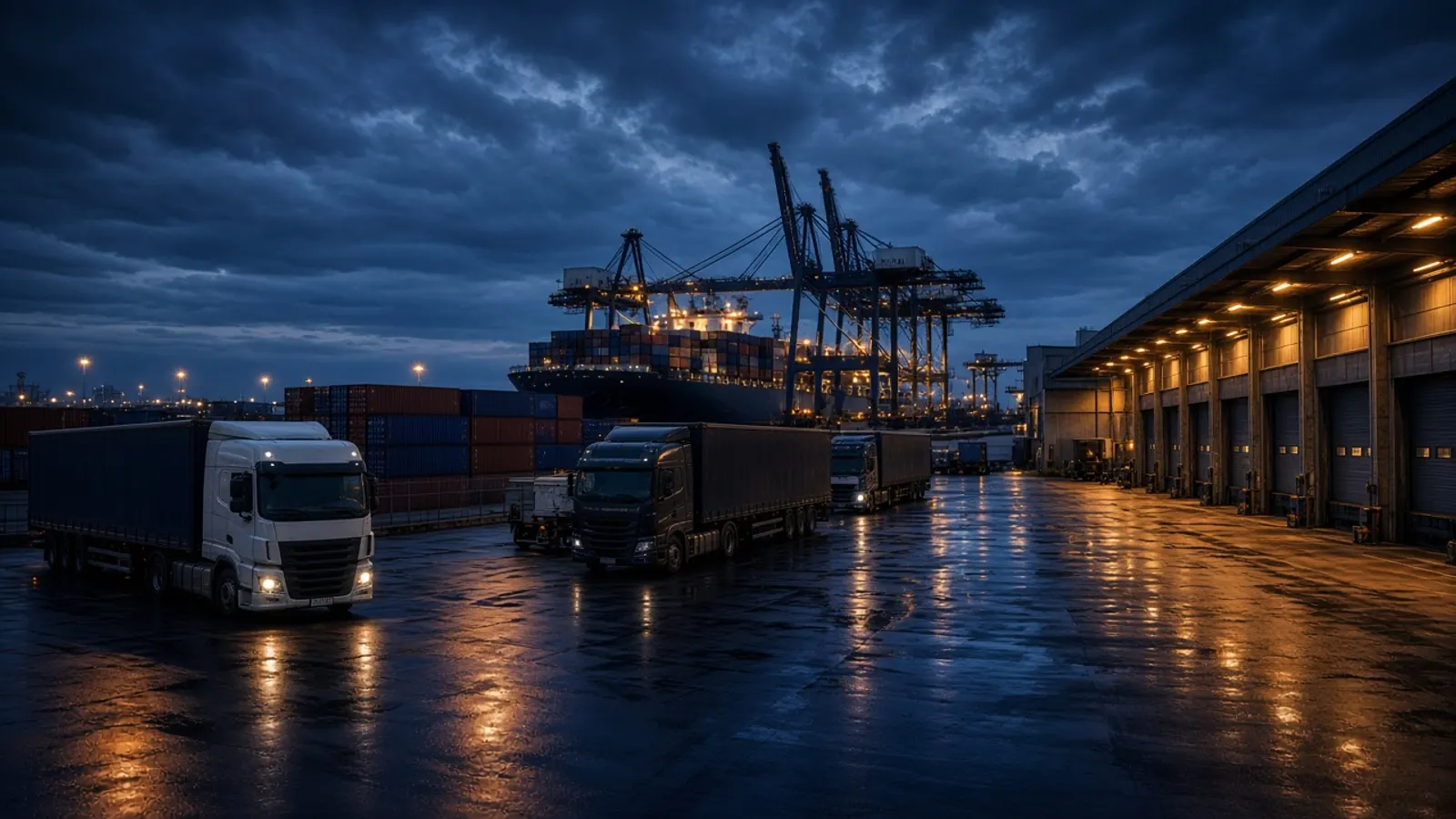
Road, sea, air, intermodal and warehousing are not separate catalogues. They continue the same shipment.
Operations
01 / TRK
Planned, visible and flexible road transport across domestic and international lanes.
Typical need
When the time window is tight, the border must stay visible, and delivery has to match the receiver’s rhythm.
Open detail02 / SEA
Port, customs and transshipment steps stay on one plan for FCL and LCL shipments.
Typical need
When volume is high, cost is sensitive, and a port transfer can slip the arrival date.
Open detail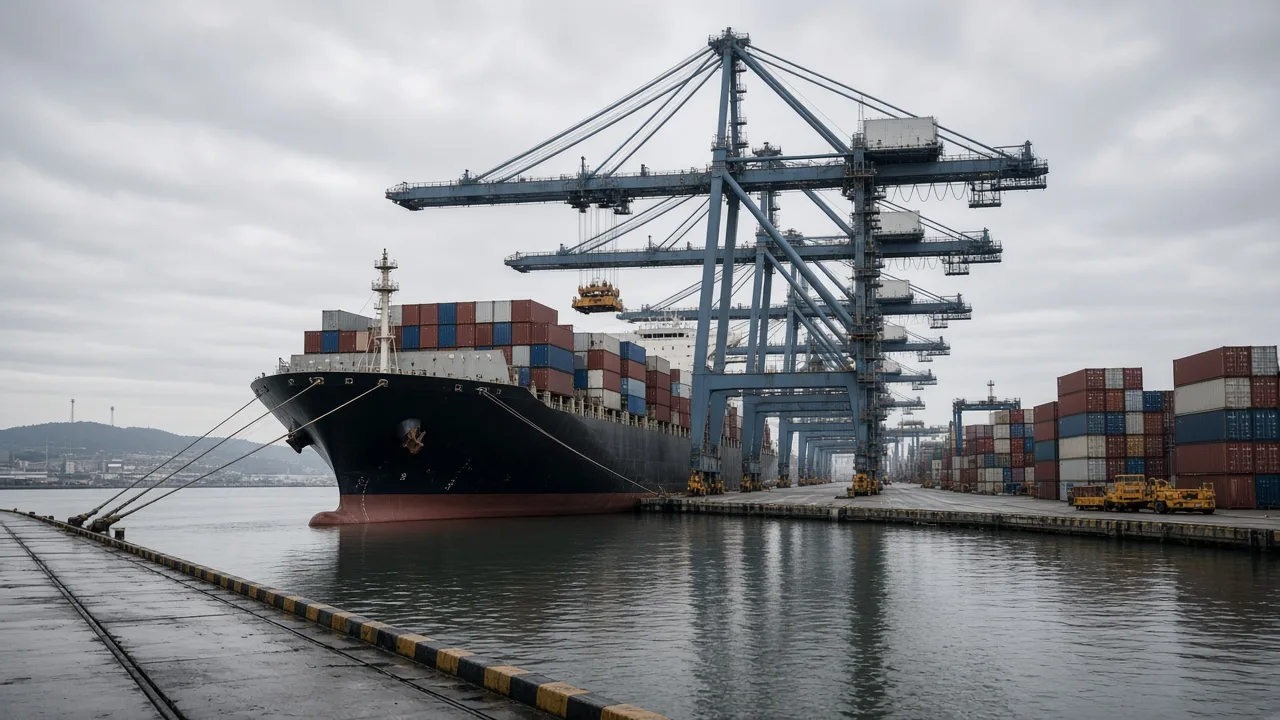
03 / AIR
Booking, ground handling and delivery stay connected for time-critical cargo.
Typical need
When a delay would stop production, miss a season, or hold a spare-parts line.
Open detail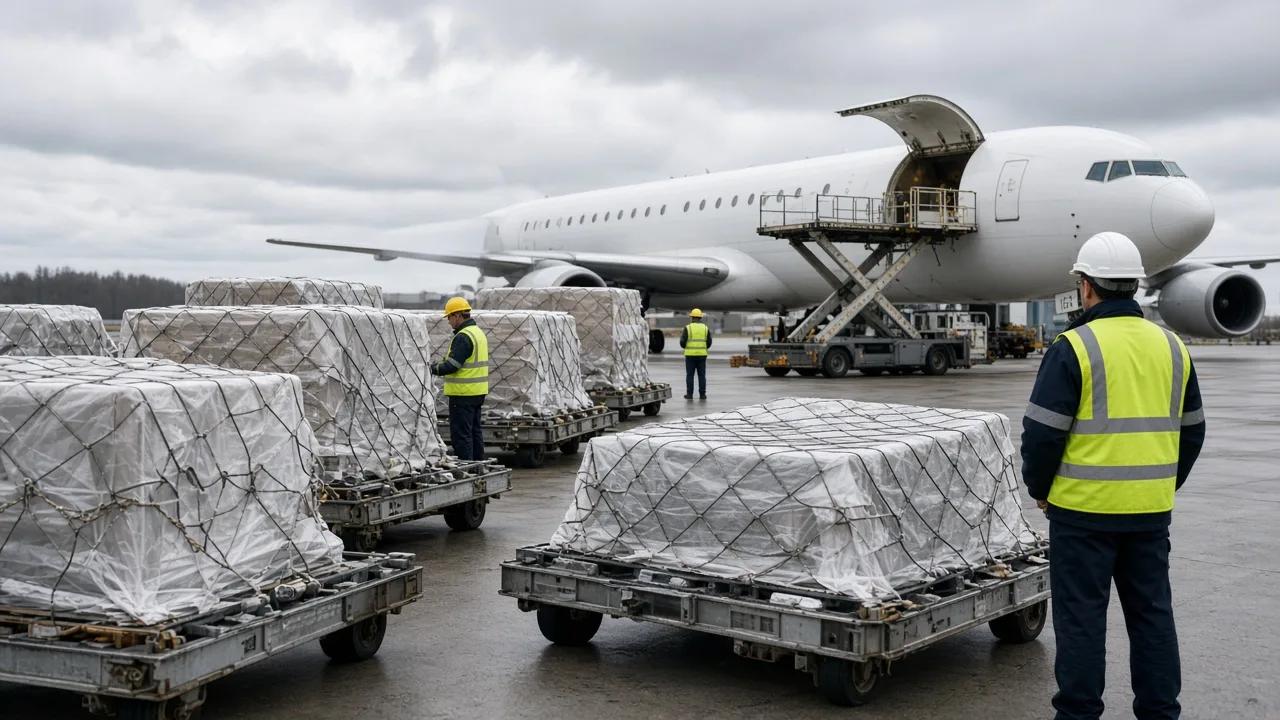
04 / IMT
Rail, road and sea connections are designed as a single route.
Typical need
When a single mode breaks cost or timing, and port, rail and last mile must stay on one calendar.
Open detail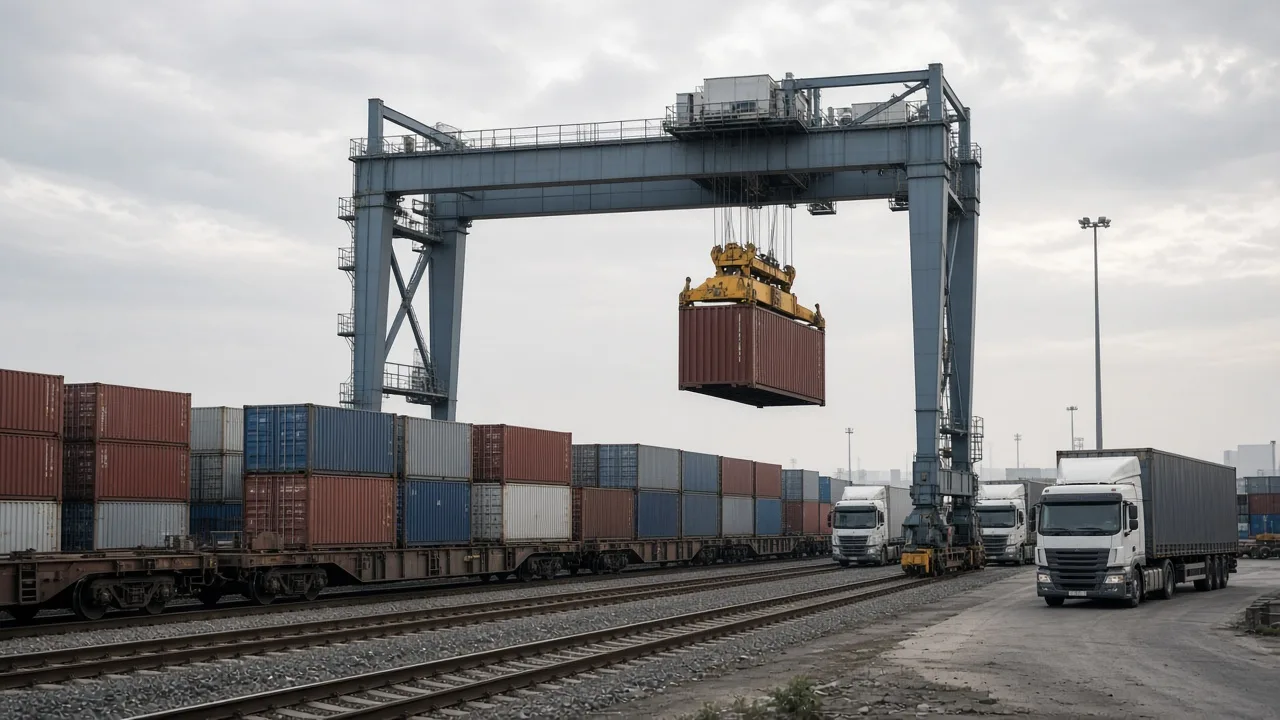
05 / WH
Consolidation, inventory and order prep run in the same rhythm as transport planning.
Typical need
When seasonal stock is visible in the warehouse, but store or line delivery runs as a separate process.
Open detail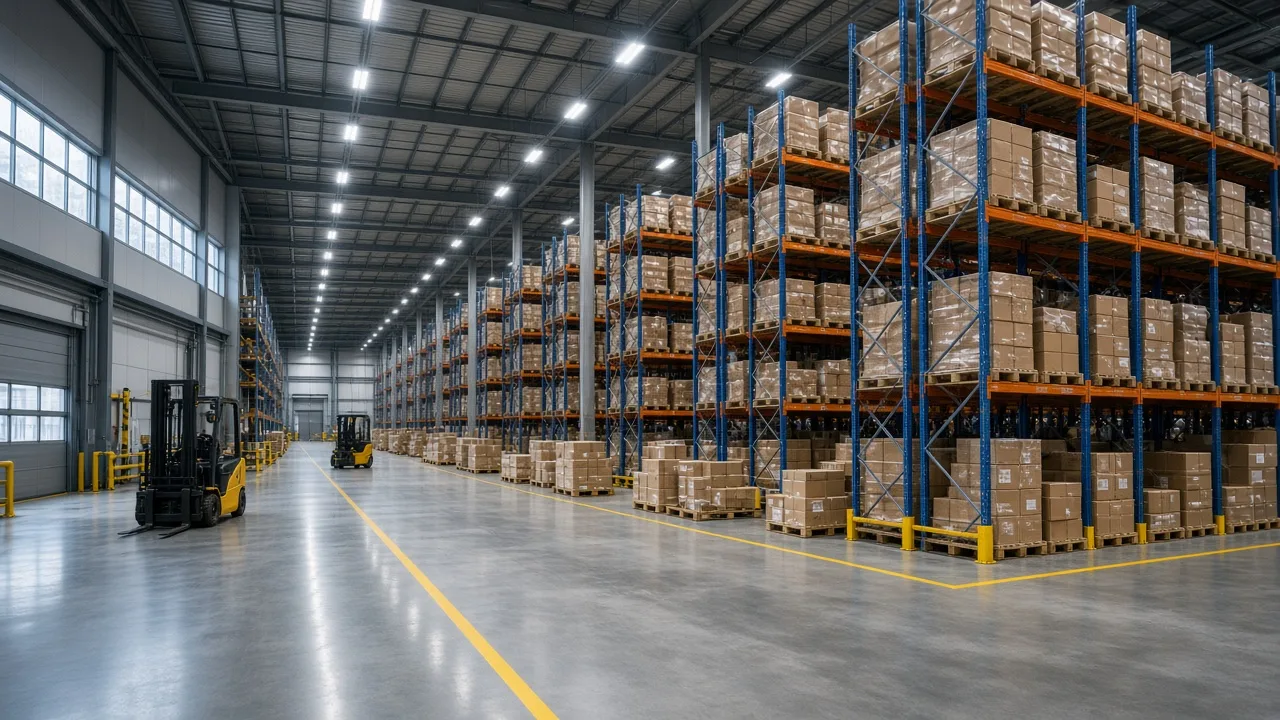
Multimodal approach
The mode is chosen when cost, time and risk are read together. The shipment is built as one route.
01
The fastest option is not always the right model. Volume, time and risk are read at the same table.
02
Road, sea, air and warehouse are not sold as separate catalogues. The shipment is built as one route.
03
When the mode changes, the language does not. Visibility lives with whoever decides at the transfer.
Supporting operations
Documents, exceptions and delivery are not a separate office job. They are part of the plan.
DOC
Booking, paperwork and customs data stay in one language. Documents do not catch up after the transfer.
XFR
Ports, terminals and border crossings are not left as disconnected steps. They continue the same shipment.
EXC
Risk reaches the table when it becomes visible. The client hears it before the break, not after.
DLV
Last mile, receiver window and confirmation close under the same control. The route does not fragment at delivery.
Industries
Automotive, machinery, textile, food and retail move in the same operating language.
 01
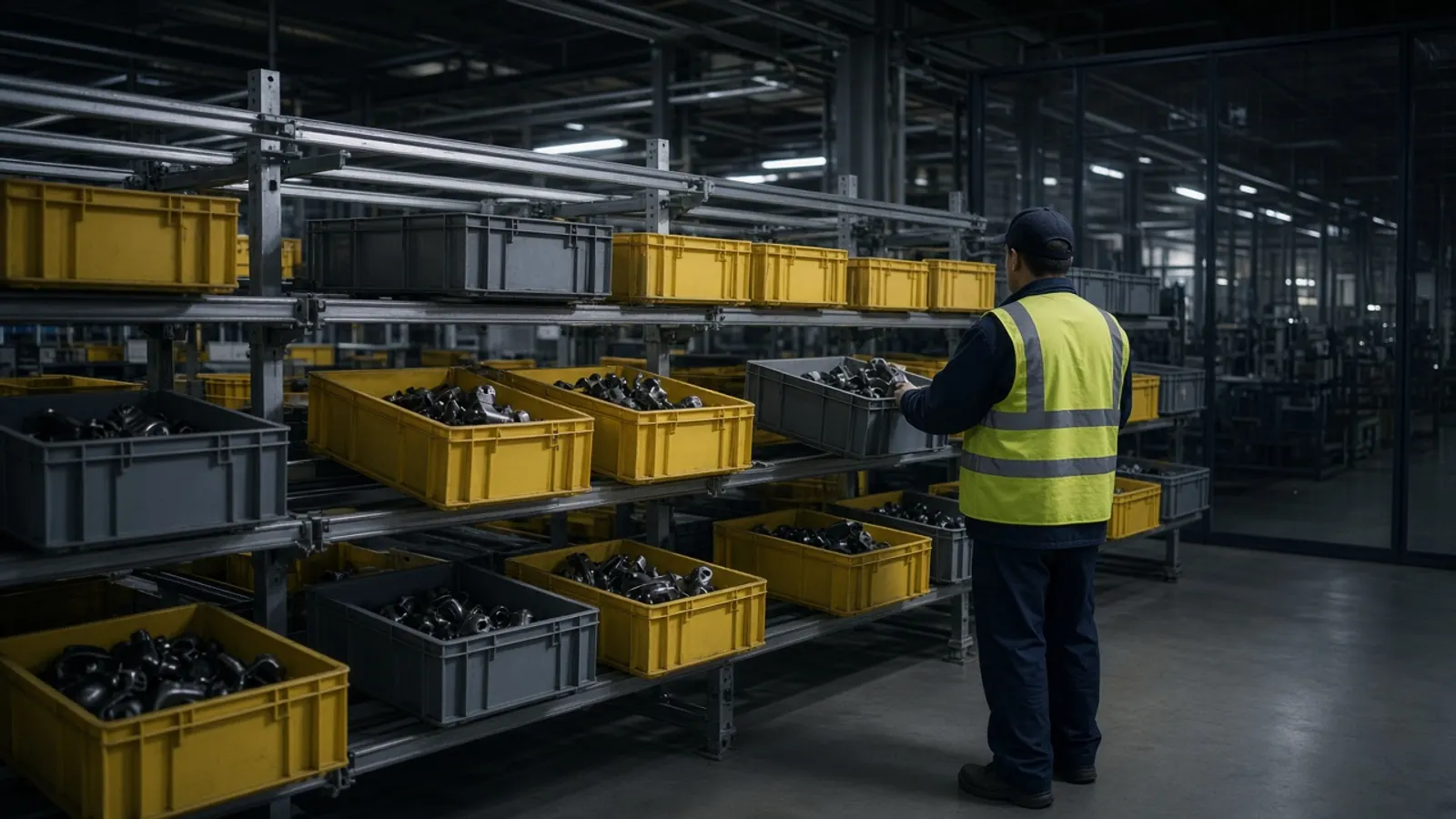
01We plan parts lanes to production rhythm and keep cross-border distribution uninterrupted.
 02
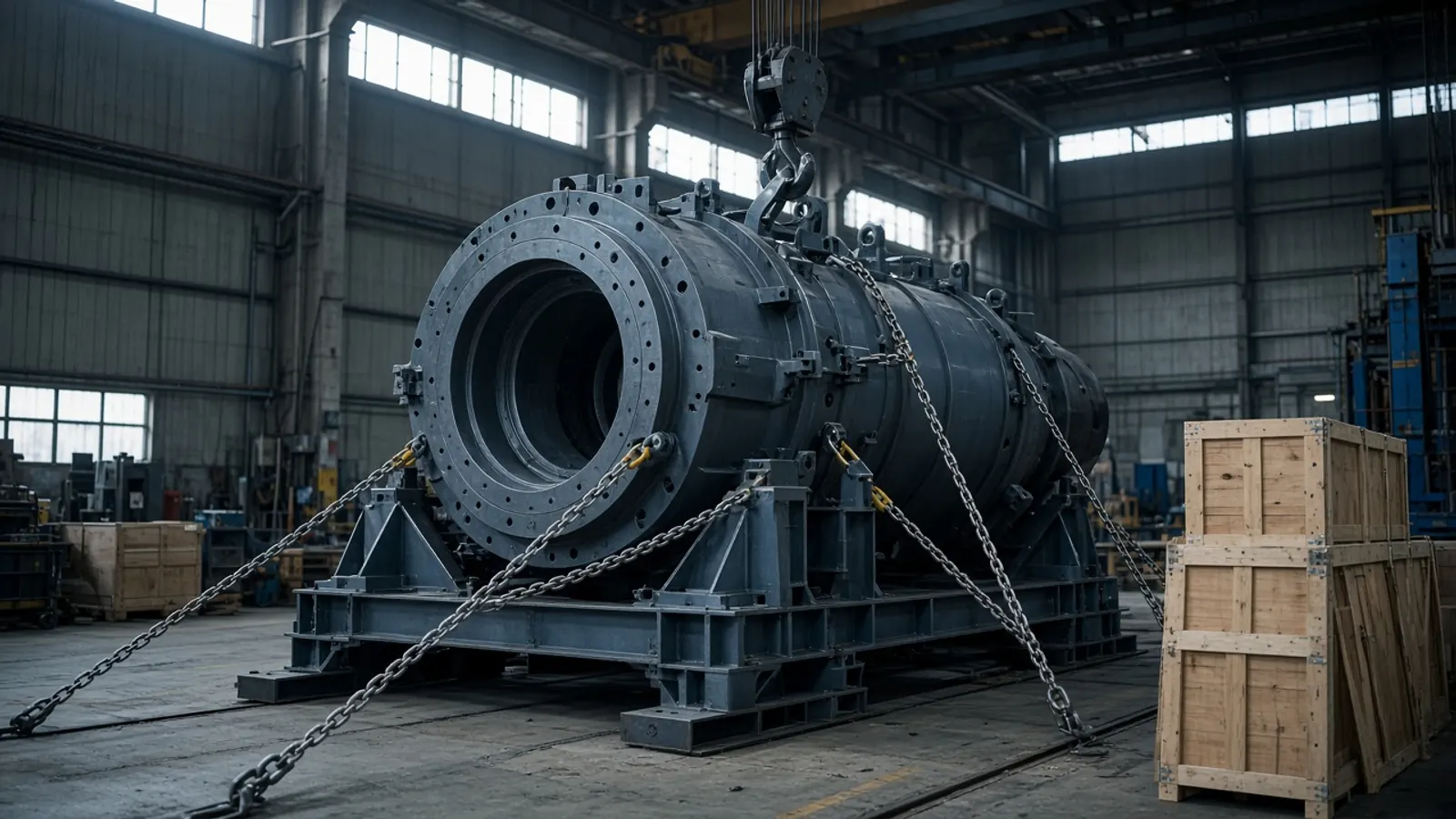
02For oversized and project cargo, routing, permits and equipment lock into one package.
 03
03We manage consolidation, customs and delivery windows without missing seasonal pressure.
 04
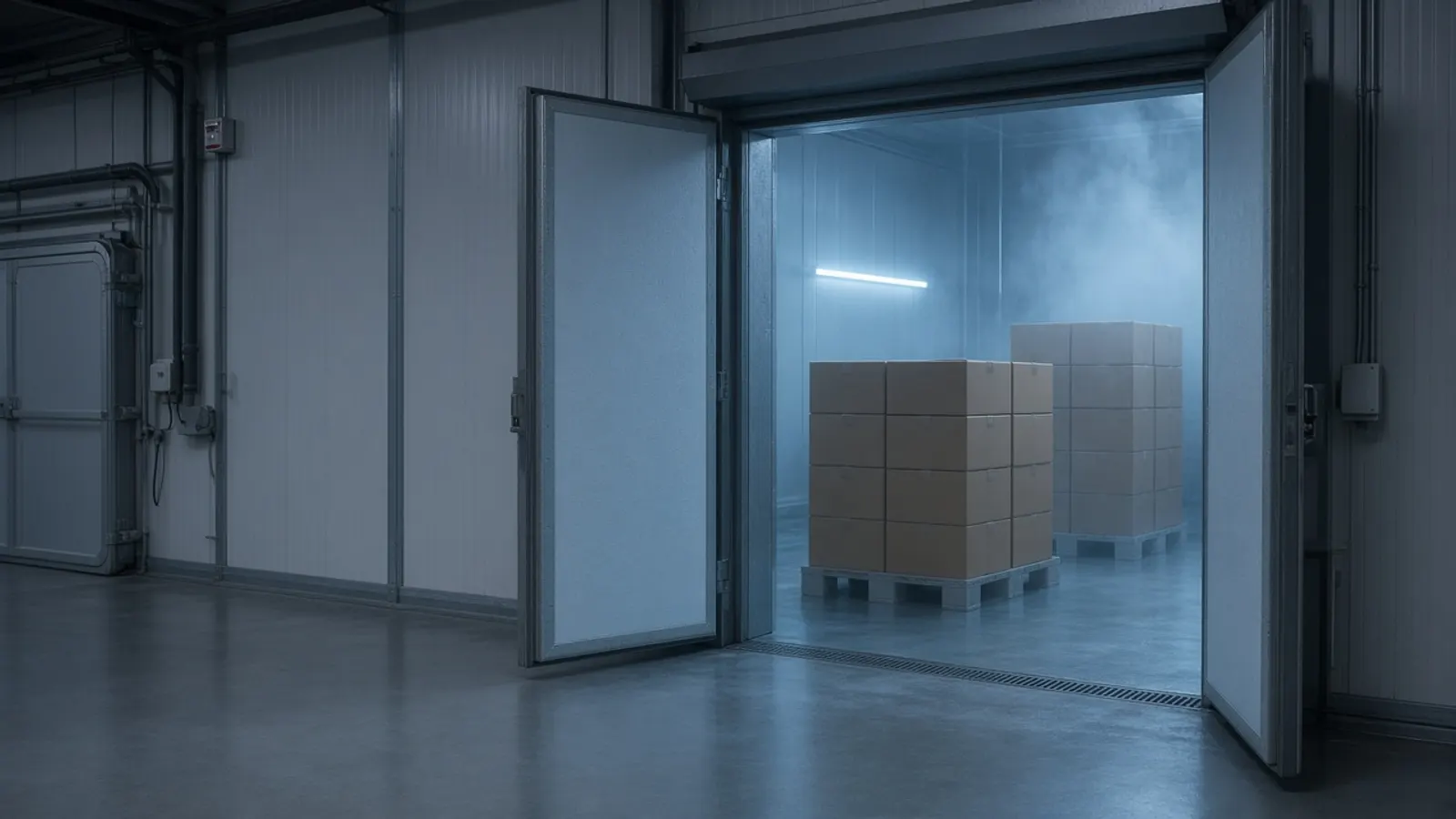
04Cold chain and hygiene rules stay inside the transport plan, not beside it.
 05
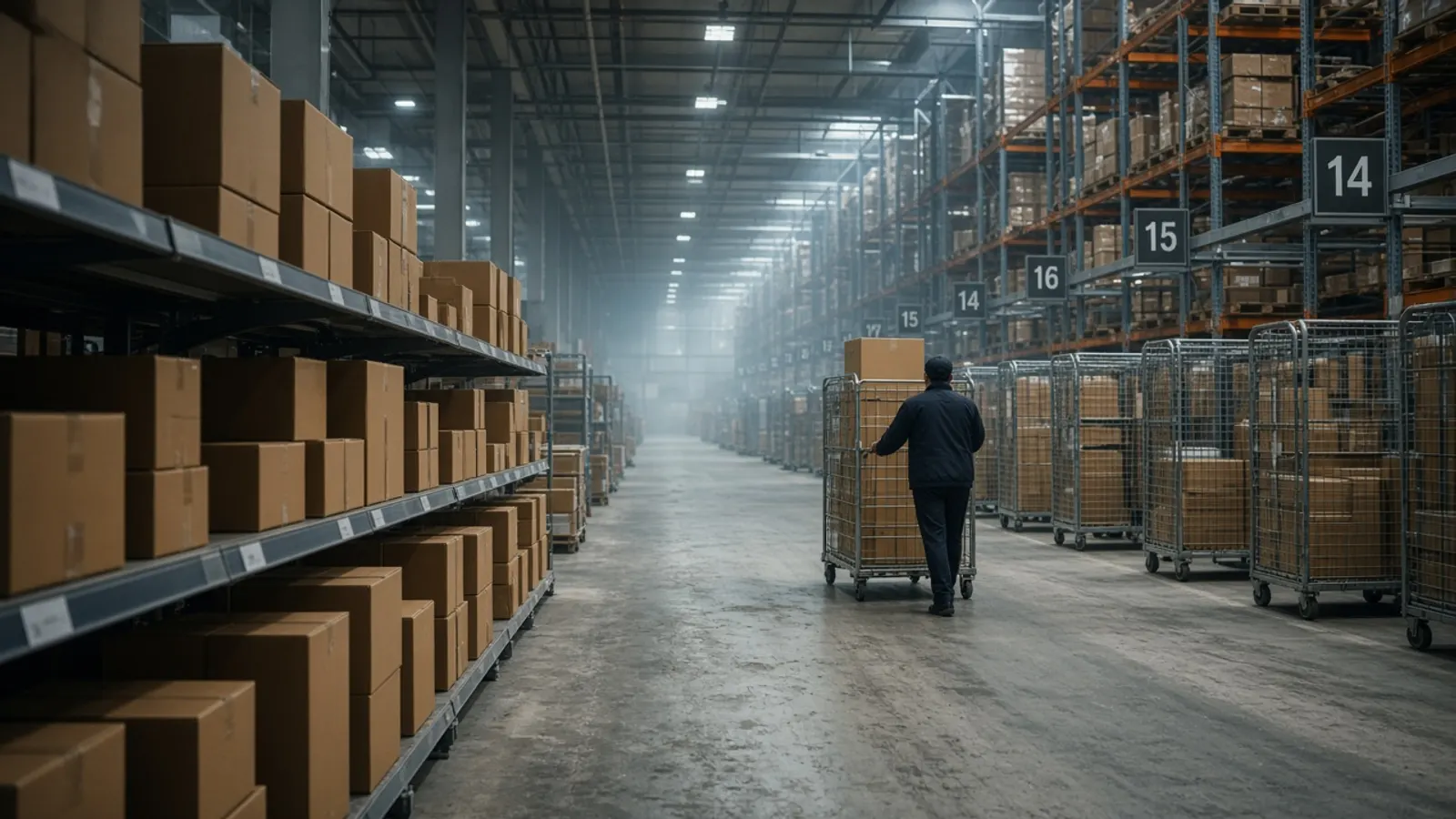
05Warehousing, order prep and store or e-commerce distribution stay in one operation.
Quote
Share the cargo, route and time window. We choose the mode from the operation, not from a catalogue.