
✨ Personalized Planning
Each individual's facial structure, tooth proportions, and aesthetic expectations are different. Therefore, the planning is completely personalized, and a standard smile design is not applied.
Digital Smile Design is a modern approach aiming to create a personalized treatment plan by evaluating aesthetic expectations, facial structure, and oral health together.
Digital Smile Design is a modern approach that allows personalized planning in aesthetic dentistry. The aim is not only to create whiter or more even-looking teeth; it is to establish a natural balance between facial features, lip movements, gum appearance, and individual expectations.
Thanks to advanced digital technologies, the oral structure can be analyzed in detail before the treatment begins. Thus, the treatments to be applied progress more systematically, and the patient can better understand each stage of the process.
Digital Smile Design is not a treatment on its own. It is a digital evaluation process that ensures more accurate planning of aesthetic and restorative applications.
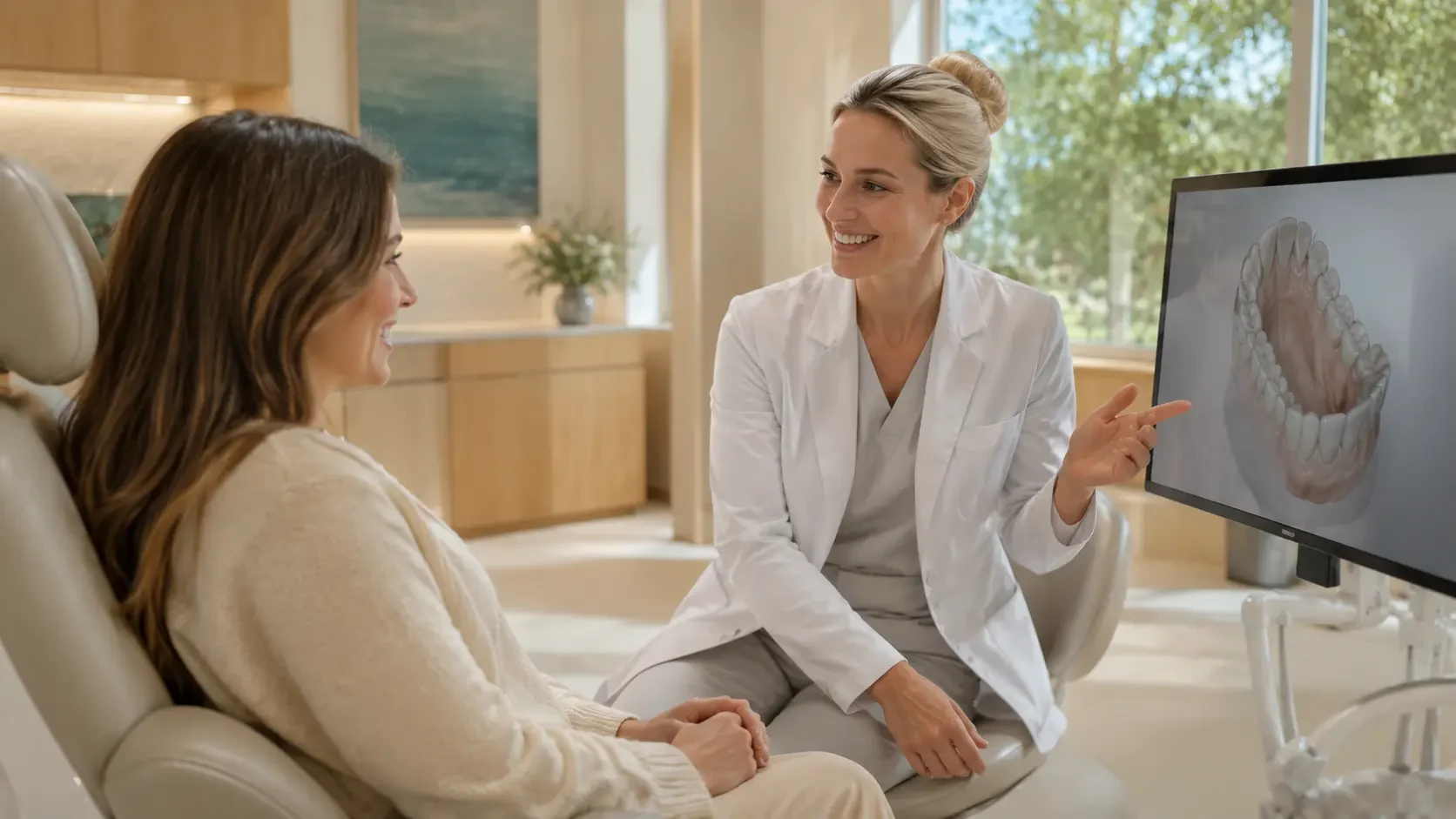
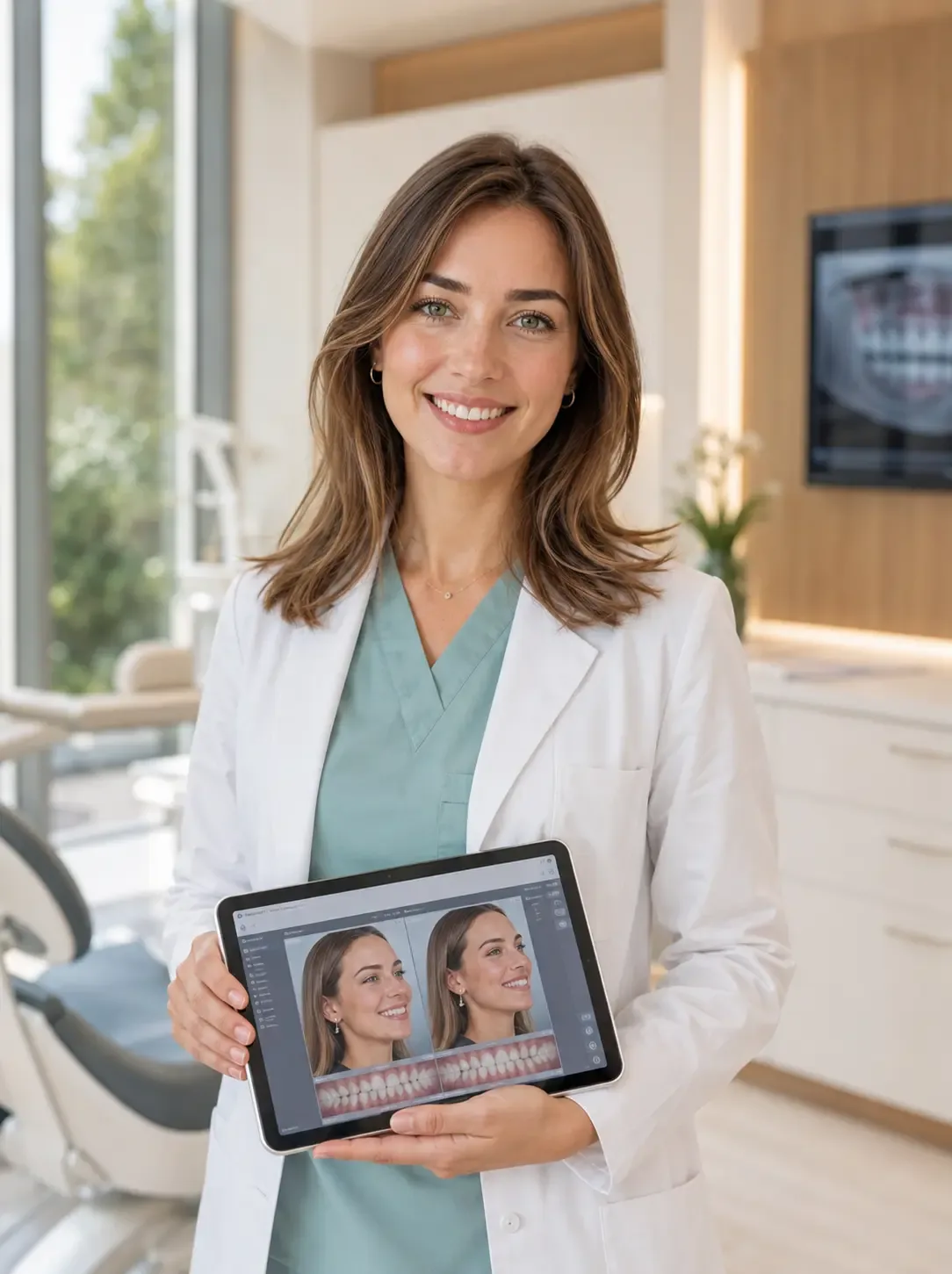
Every planning starts with a detailed oral and dental examination. A personalized roadmap is created by evaluating the current condition of the teeth, gum health, occlusion relationship, and the patient's expectations together.
Thanks to digital scanners, the oral structure can be recorded with high precision. This method offers a more comfortable experience and helps increase the accuracy of the planning process.
By examining photos taken from different angles of the face, the harmony of the teeth with the face is evaluated. The aim is to plan a smile that looks natural and integrates with the person's expressions.
All collected data is brought together in a digital environment to visualize the possible aesthetic approach. In this way, the patient can have an idea about the planned changes before the treatment begins.
Each individual's facial structure, tooth proportions, and aesthetic expectations are different. Therefore, the planning is completely personalized, and a standard smile design is not applied.
Thanks to digital analyses, aesthetic goals can be evaluated more clearly before treatment. This creates a more controlled process for both the patient and the dentist.
Different applications such as clear aligners, implants, bonding, or porcelain restorations can progress according to a common plan.
Digital planning can be beneficial for people with deformities, small gaps, or wear on their front teeth.
It can offer personalized solutions for people aiming for a natural and balanced aesthetic appearance that harmonizes with their facial structure.
It can help create a common planning process in cases where different treatments such as orthodontics, implants, and aesthetic restorations will be applied together.
The targeted tooth alignment at the end of orthodontic treatment can be digitally planned.
New tooth forms can be evaluated before application to determine aesthetic proportions that harmonize with the face.
Minor aesthetic adjustments can be digitally analyzed during the planning stage.
Color planning suitable for the new smile design can be done.
Both aesthetic and functional goals can be evaluated together in areas with missing teeth.
In the planning process, not only the aesthetic appearance but also oral health, function, and occlusion relationship are evaluated.
Since each individual's facial structure, smile character, and expectations are different, the planning is completely personalized.
Digital simulation is prepared to visualize the planned aesthetic approach. The final result may vary depending on the treatments to be applied and the individual healing process.
It is important to thoroughly evaluate oral and dental health before treatment planning.
If there are active gum diseases, they may need to be treated first.
Openly sharing aesthetic expectations with the dentist contributes to more accurate personalized planning.
No. This process is a digital evaluation phase that ensures the planning of aesthetic and restorative treatments to be applied.
Thanks to digital simulation, an idea can be formed about the planned aesthetic approach. The final result may vary depending on the treatments to be applied.
The initial examination and digital evaluation can usually be completed within 30–45 minutes.
Suitability is evaluated by the dentist after a comprehensive clinical examination.
Digital intraoral scanning offers a faster and more comfortable experience for many patients compared to traditional impression methods.
Read other blog posts you may find interesting.
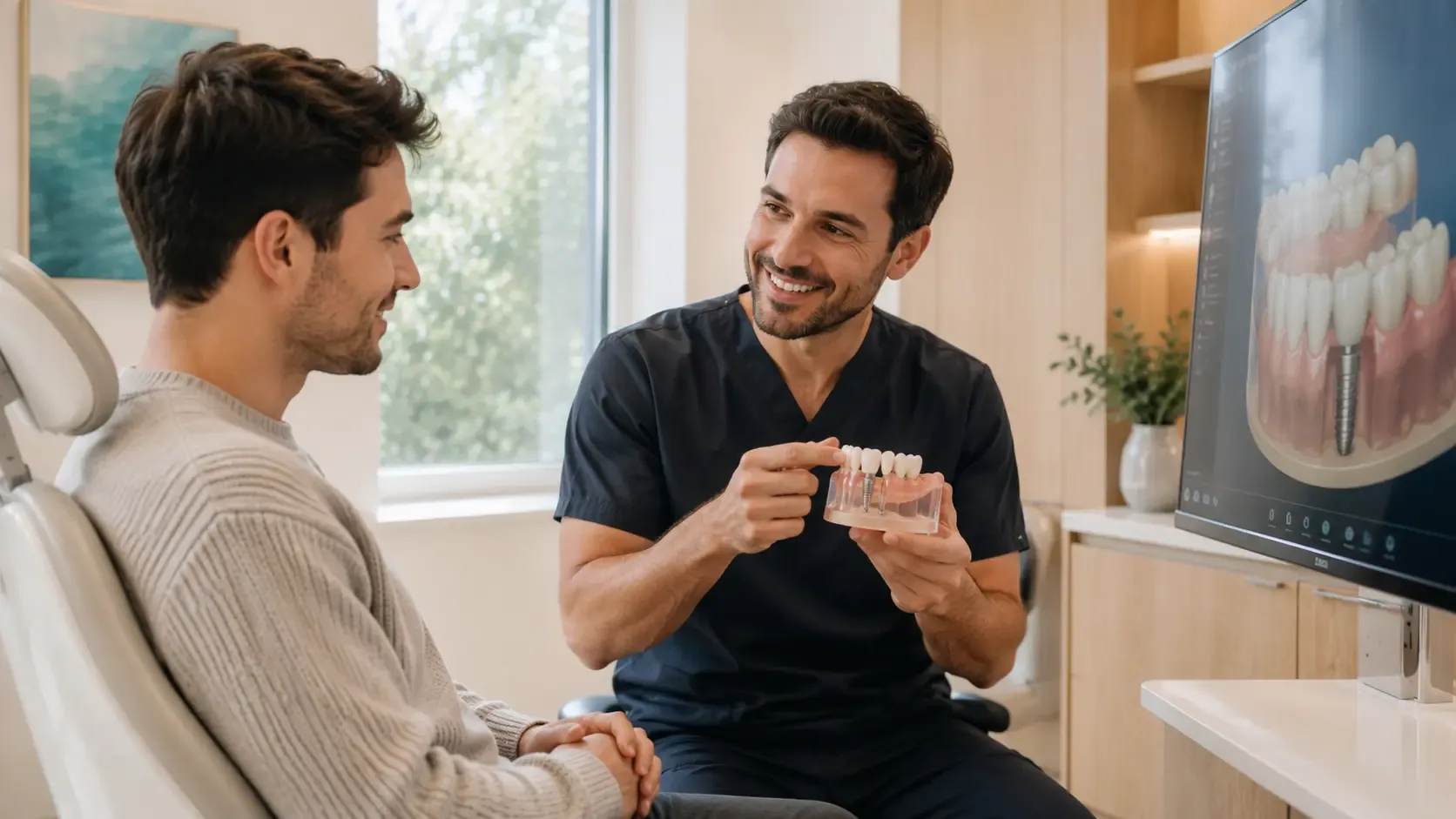
How is implant treatment applied, who is it suitable for, and how does the treatment process progress? Discover the most frequently asked questions about missing teeth treatment.
Read
Does tartar cleaning damage tooth enamel? How long does the procedure take, why is it done, and how often should it be applied? Discover common misconceptions.
Read
How is clear aligner treatment applied, how long does it last, is it removed while eating, and who is it suitable for? Discover the answers to the most frequently asked questions.
ReadIf you have questions about what you've read, let's review them together with a short pre-assessment.