
Clinical

Clinical
technologies.

Modern clinical equipment supports physician assessment and a safety-focused workflow.

Technology supports physician assessment.

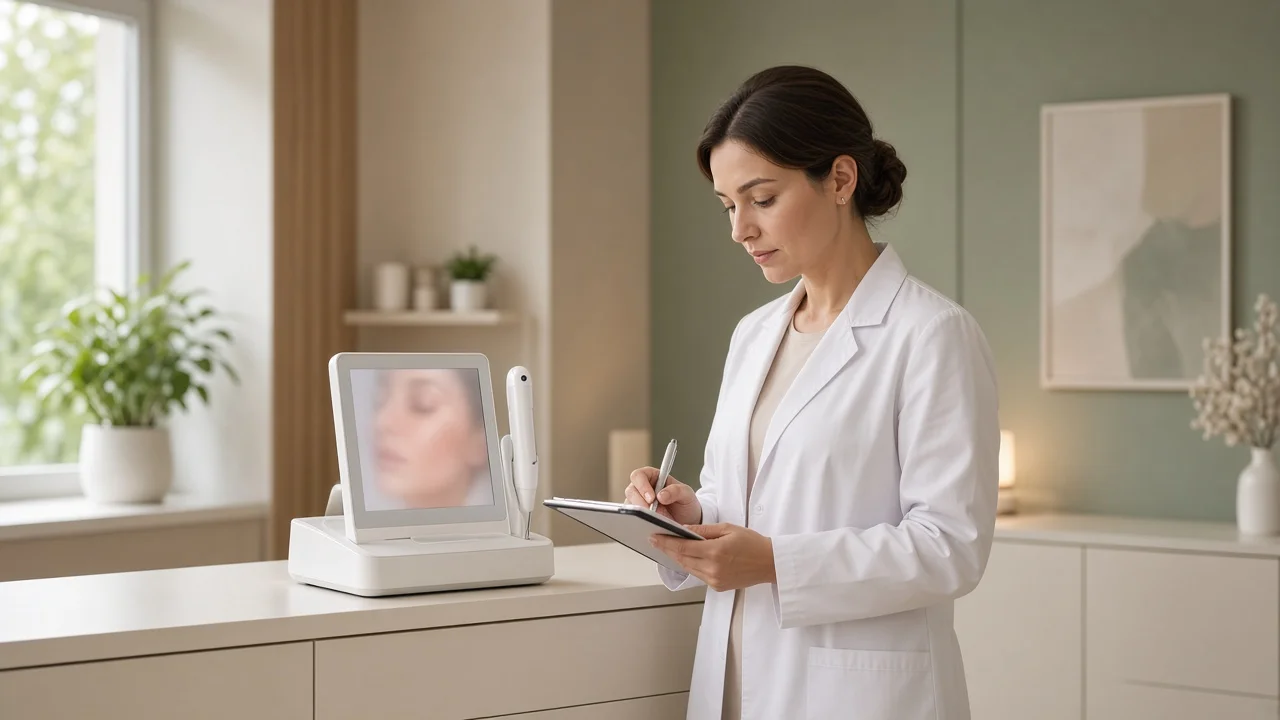
At DERAVIA, clinical technologies provide supplementary information during diagnosis and planning, enable procedures to be performed in a controlled manner, and support a safety-focused workflow. No device replaces physician examination or clinical decision-making.

The descriptions on this page define general equipment categories. They do not reference specific brands, models, or regulatory claims.

Principles of use

Assessment-focused use

Technologies are primarily employed to better understand skin or scalp condition; results are interpreted by the physician.

Physician control

Parameter selection, treatment decisions, and whether to continue or discontinue a procedure are always determined through physician assessment.

Safety-focused workflow

Pre-procedure checks, suitability assessment, and follow-up steps are integral to technology use.

Personalised planning

Device outputs are not converted into standard protocols; findings are integrated into an individual treatment plan.

Skin Analysis Systems

Objective assessment of skin structure, moisture balance, and surface characteristics.
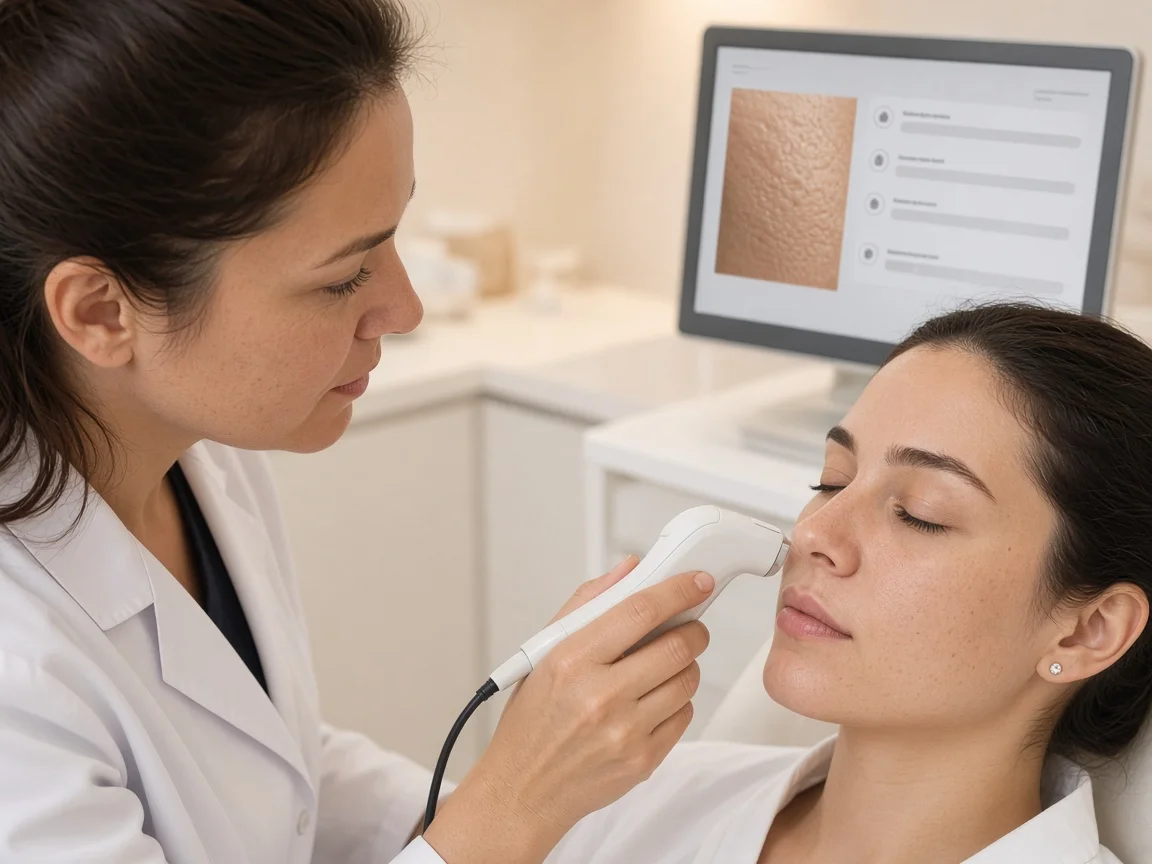
Skin analysis assessment at DERAVIA clinic — under physician supervision

Skin analysis systems can help gather supplementary data about overall skin condition during consultation. These systems may visualise and record parameters such as barrier function, sebum levels, dryness, or superficial textural differences.

Role in assessment

Analysis results complement the physician's clinical examination. They do not establish a diagnosis alone; findings are interpreted together with assessment results.

Physician oversight

Which analysis is performed, how results are interpreted, and how they inform the plan are determined by the physician.

Safety-focused workflow

  • Non-invasive assessment methods are preferred
  • Analysis is used during the assessment phase, before treatment decisions
  • Results are shared with the patient and integrated into the plan
Dermatoscopic Imaging

Close examination of lesions and skin structures.

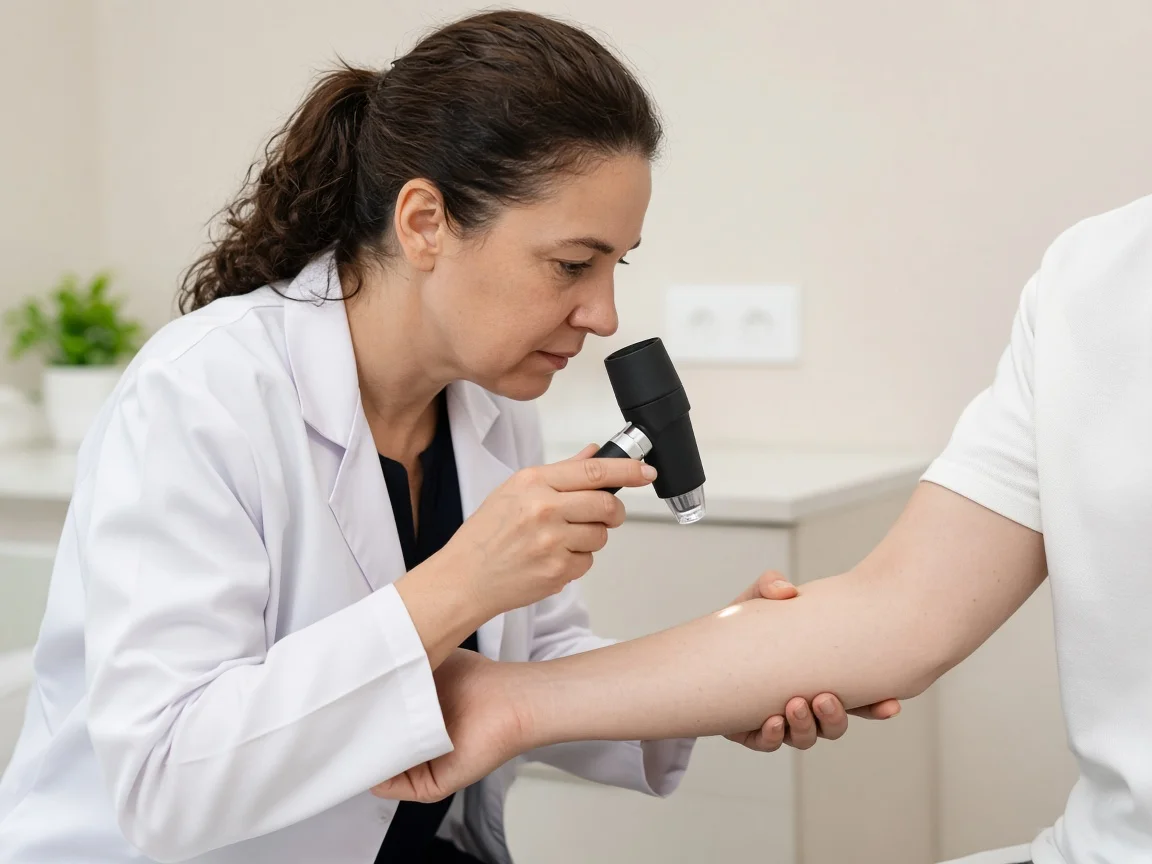
Dermatoscopic imaging — physician examining a skin lesion

Dermatoscopic imaging tools enable magnified examination of lesions, pigment changes, or vascular structures on the skin surface. This examination can create a visual record that supports the clinical assessment.

Role in assessment

Close-up imaging may be used to monitor areas of concern or for before-and-after comparison. Interpretation is always performed by the physician.

Physician oversight

Which area is examined and whether imaging is used for diagnostic or follow-up purposes is determined at the physician's discretion.

Safety-focused workflow

  • Non-invasive optical examination methods
  • Images may be stored securely in the patient record
  • Further assessment may be required for suspicious lesions

Laser Systems

Targeted dermatological interventions through controlled energy delivery.

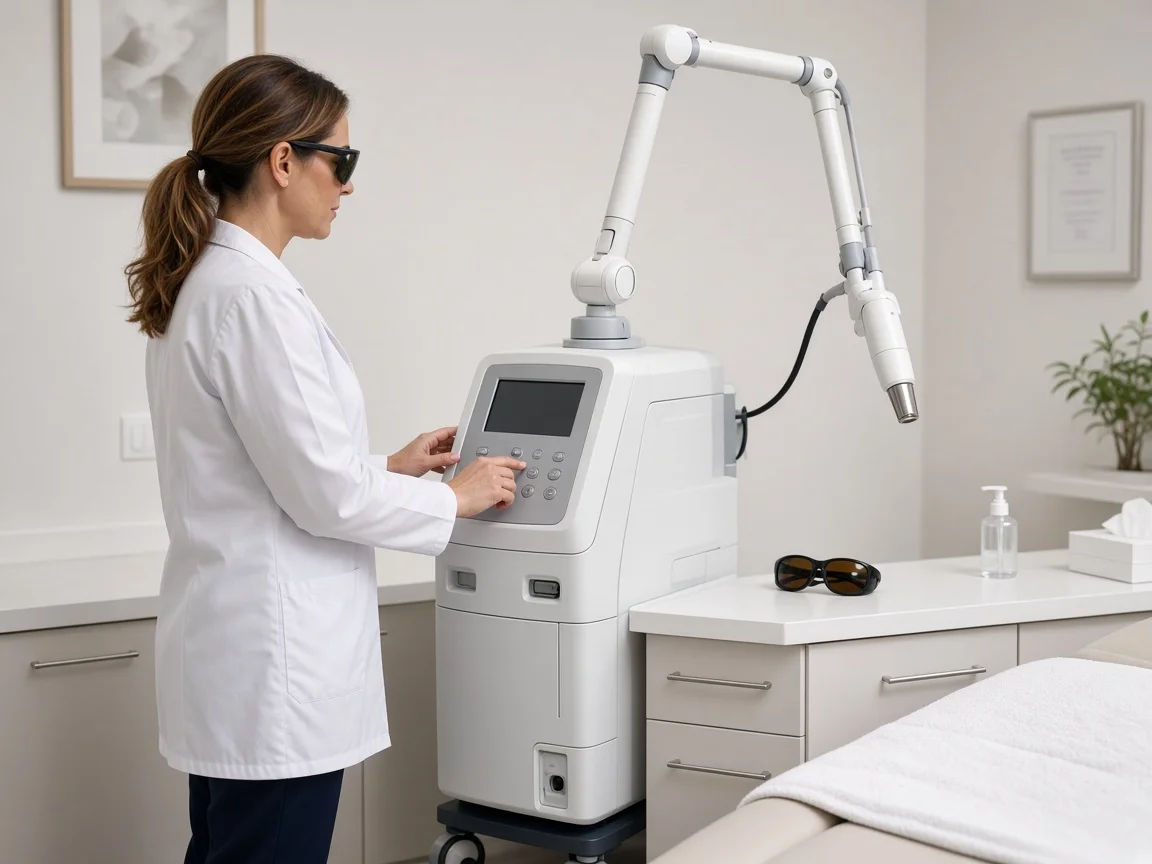
Laser treatment room at DERAVIA clinic — controlled procedure under physician supervision

Laser systems deliver controlled energy at specific wavelengths to the skin surface or underlying layers. Applications may include pigmentation, vascular lesions, skin rejuvenation, or scar management.

Role in assessment

Before laser treatment, skin type, lesion characteristics, and suitability are evaluated by the physician. Not every skin profile is treated with the same parameters.

Physician oversight

Energy level, pulse count, session intervals, and whether to continue treatment are determined and monitored by the physician.

Safety-focused workflow

  • Skin tolerance is assessed before treatment
  • Eye protection and skin cooling protocols are applied
  • Post-session follow-up and skin reaction monitoring are conducted

Controlled Application Technologies

Measured and controlled interventions in medical aesthetic and dermatological care.

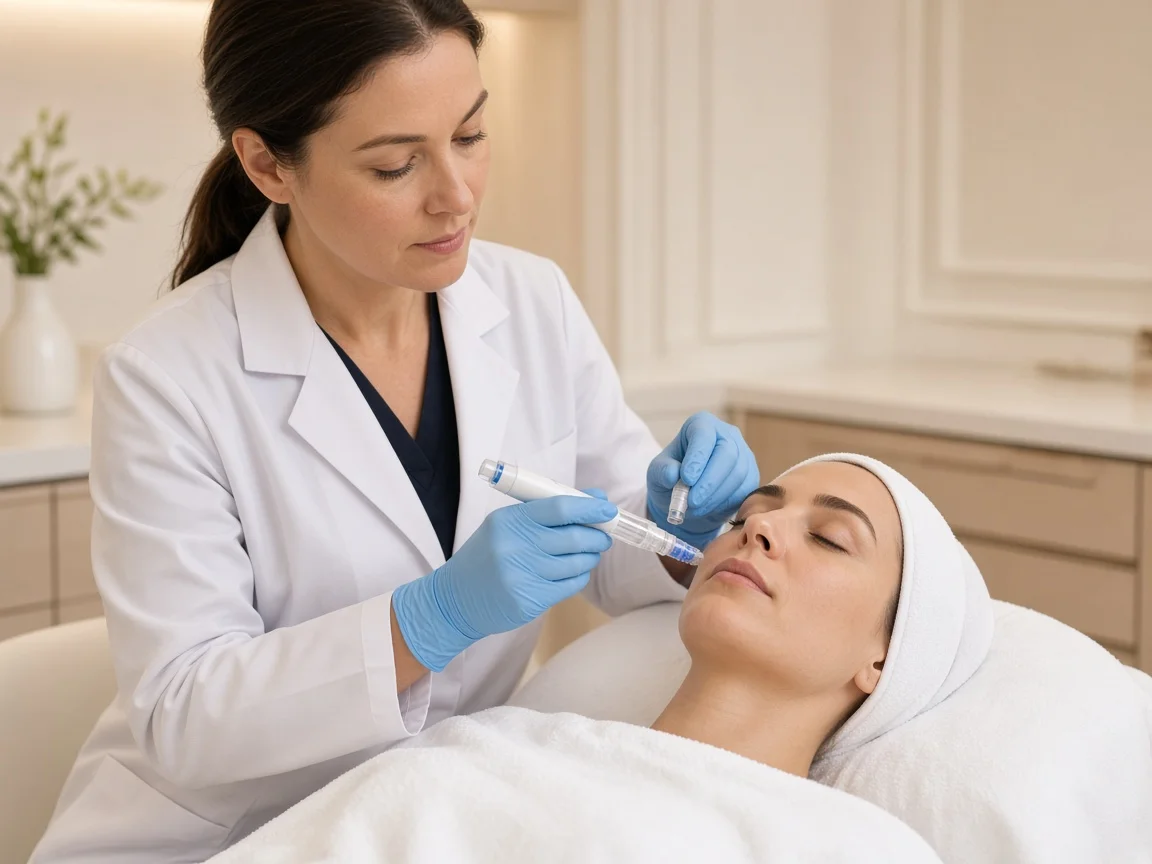
Medical aesthetic treatment room — controlled intervention under physician supervision

Controlled application technologies enable subcutaneous procedures, energy-based skin tightening, or superficial peeling to be performed under physician supervision with adjustable parameters in the medical aesthetic field.

Role in assessment

Before treatment, skin quality, contraindications, and patient expectations are assessed. Technology is part of the plan; the plan itself is created by the physician.

Physician oversight

Treatment depth, intensity, session count, and combined approach decisions are determined through physician assessment.

Safety-focused workflow

  • Informed consent process is followed
  • Treatment parameters are adjusted individually
  • Side effects and tolerance are monitored

Hair & Scalp Assessment Equipment

Clinical evaluation of hair loss and scalp conditions.

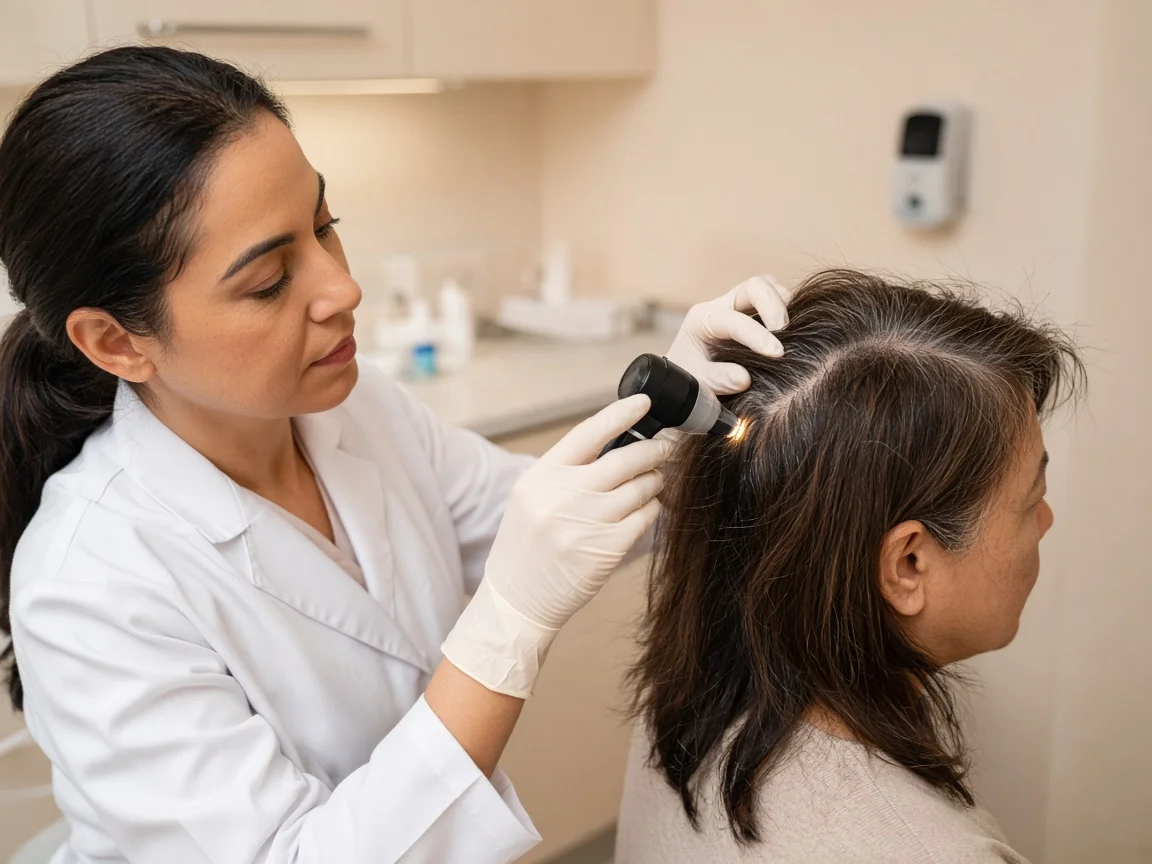
Hair and scalp assessment — clinical examination under physician supervision

Hair and scalp assessment equipment can assist in examining hair shaft thickness, scalp condition, and shedding patterns. This examination provides objective observations that support the clinical assessment.

Role in assessment

Hair analysis is part of the diagnostic process. Findings such as shedding type, scalp inflammation, or miniaturisation are interpreted holistically by the physician.

Physician oversight

Which assessment method is used, how results inform the treatment plan, and follow-up frequency are determined by the physician.

Safety-focused workflow

  • Non-invasive scalp and hair shaft examination
  • Assessment findings are shared with the patient
  • Long-term follow-up plan is created individually

Technology does not replace clinical judgment

At DERAVIA, clinical technologies support assessment, planning, and treatment under physician oversight.

Treatment suitability is determined following examination. This page does not promote specific devices or brands.

Orderly and calm consultation environment at DERAVIA clinic

This page is for information only and does not include specific device brands, models, or regulatory approval claims.