The right project is
the sum of
the right decisions.
MEROVA makes development decisions across six core dimensions. Every decision is read through place, program, and context.
The right project is
the sum of the right decisions.
How are development
decisions made?
MEROVA makes development decisions across six core dimensions. Each dimension reinforces the others; a step skipped in one creates an irrecoverable gap elsewhere.
This approach comes from architectural and development practice — not management consulting language. Our decisions are read through place, program, and context.
01
Location
We begin with context — before the site, before the building.
- Why it matters
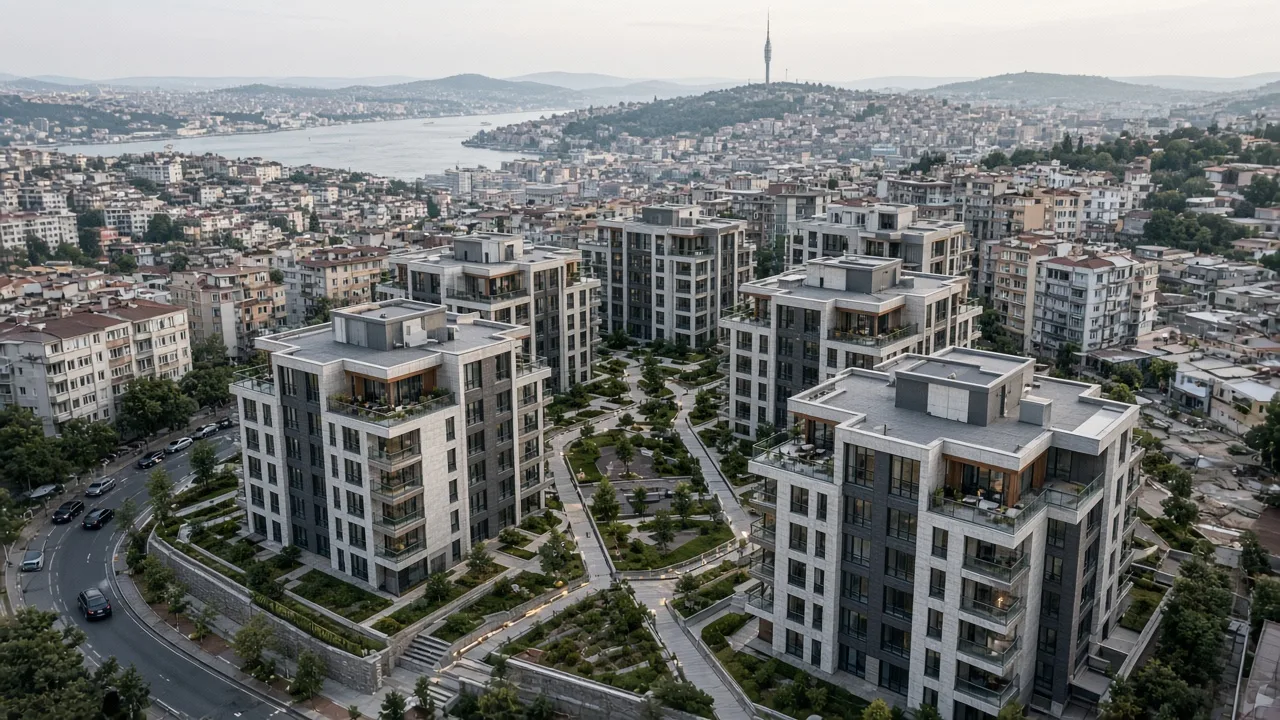
- Location is the foundational input for program, architectural organisation, and development economics. Misread context limits even the strongest design intent.
- How we address it
- MEROVA evaluates every opportunity through access networks, neighbourhood scale, public realm relationships, topography, and urban fabric. Location is not simply an address — it is the ground for the project's future use scenarios.
- Impact on development
- Correct location reading determines unit types, massing organisation, landscape strategy, and development timeline. These early decisions ripple through every layer of the project.
02
User Needs
Program emerges from living scenarios.
- Why it matters
- User needs directly determine plan quality, common area organisation, and long-term use value. Program without need renders architectural quality meaningless.
- How we address it
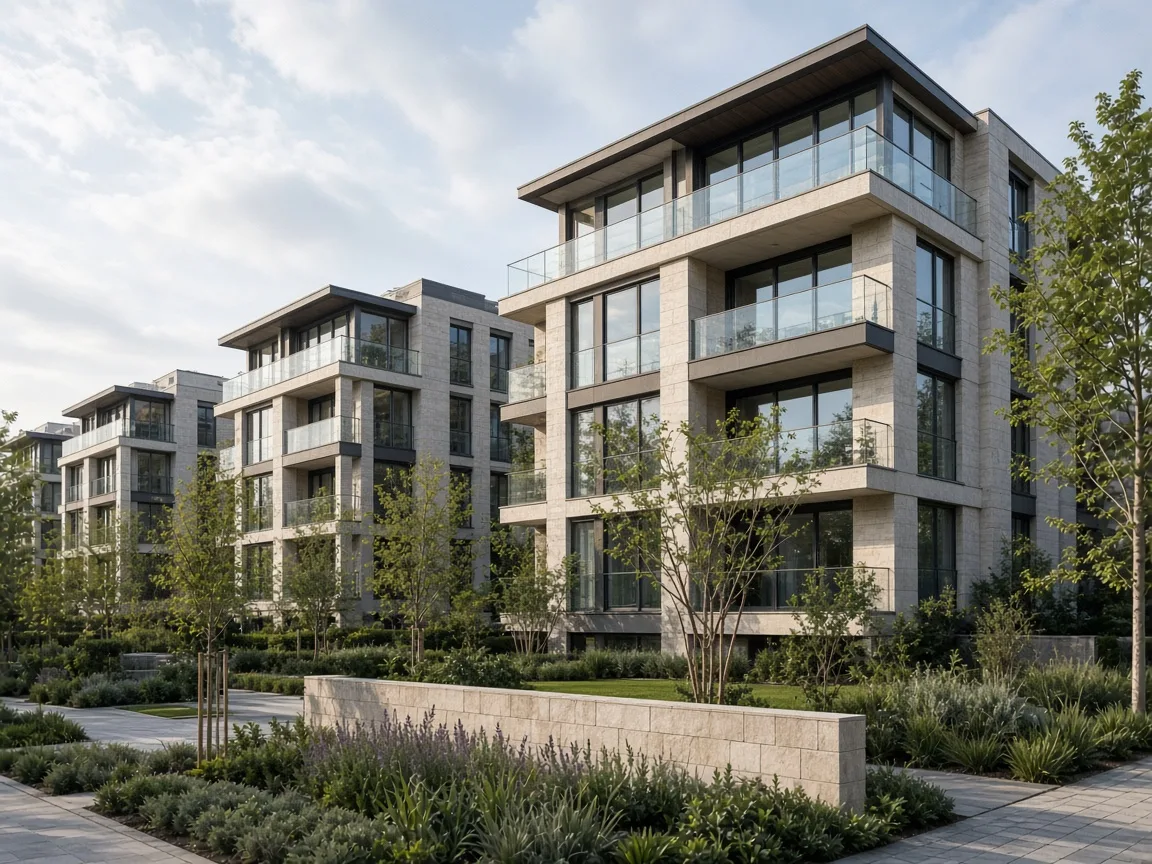
- Target user profile, unit sizes, common area requirements, and daily life flows are core inputs to the concept stage. MEROVA reads the user as the real occupant of the space — not a marketing segment.
- Impact on development
- Program decisions flow into unit types, public realm distribution, service organisation, and material selections. Need-led program defines the project's living quality.
03
Feasibility
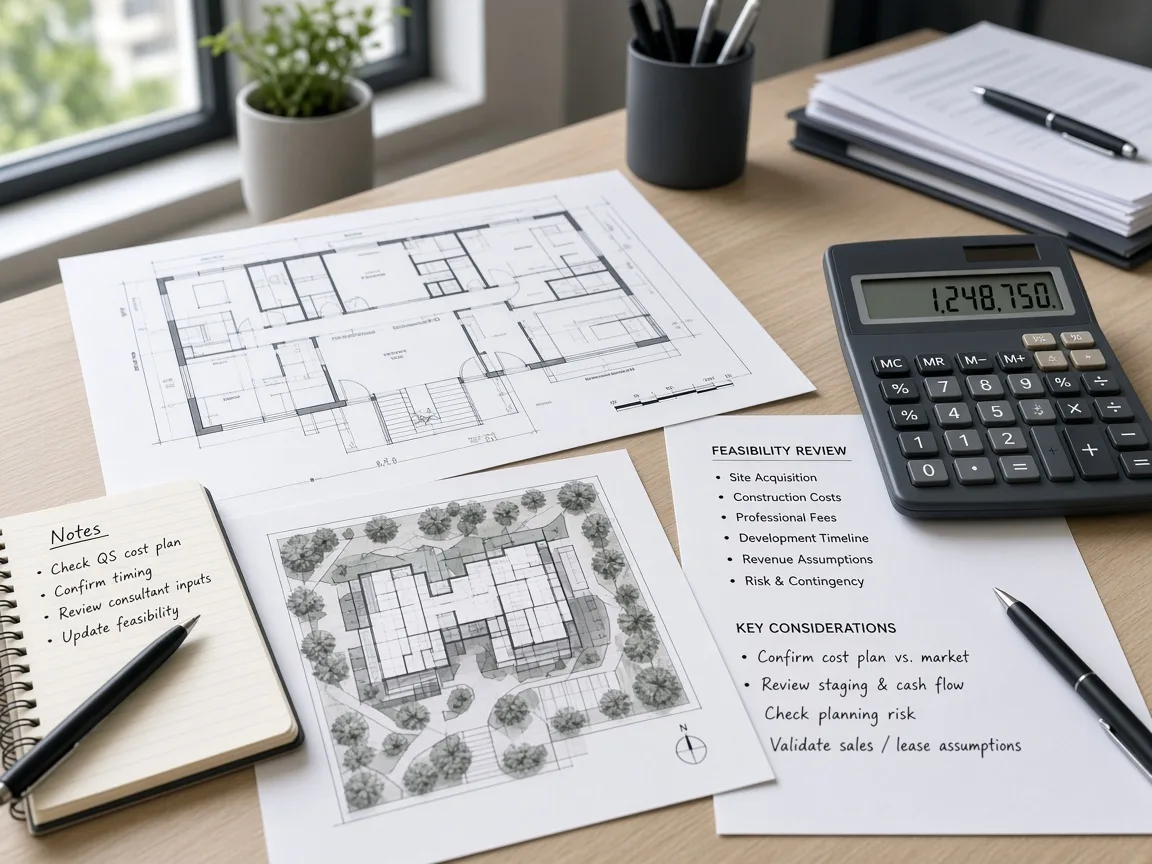
Design and economics are discussed at the same table.
- Why it matters
- The balance between architectural goals and economic reality enables sustainable project development. Concepts that advance without feasibility become fragile at implementation.
- How we address it
- Program versions, cost structure, revenue scenarios, and risk factors are tested within a disciplined feasibility framework. MEROVA manages feasibility not as an approval gate but as an iterative process that informs design decisions.
- Impact on development
- Feasibility outcomes determine which program version proceeds, the boundaries of design parameters, and the development timeline. A clear economic foundation early reduces surprises in later phases.
04
Architectural Quality
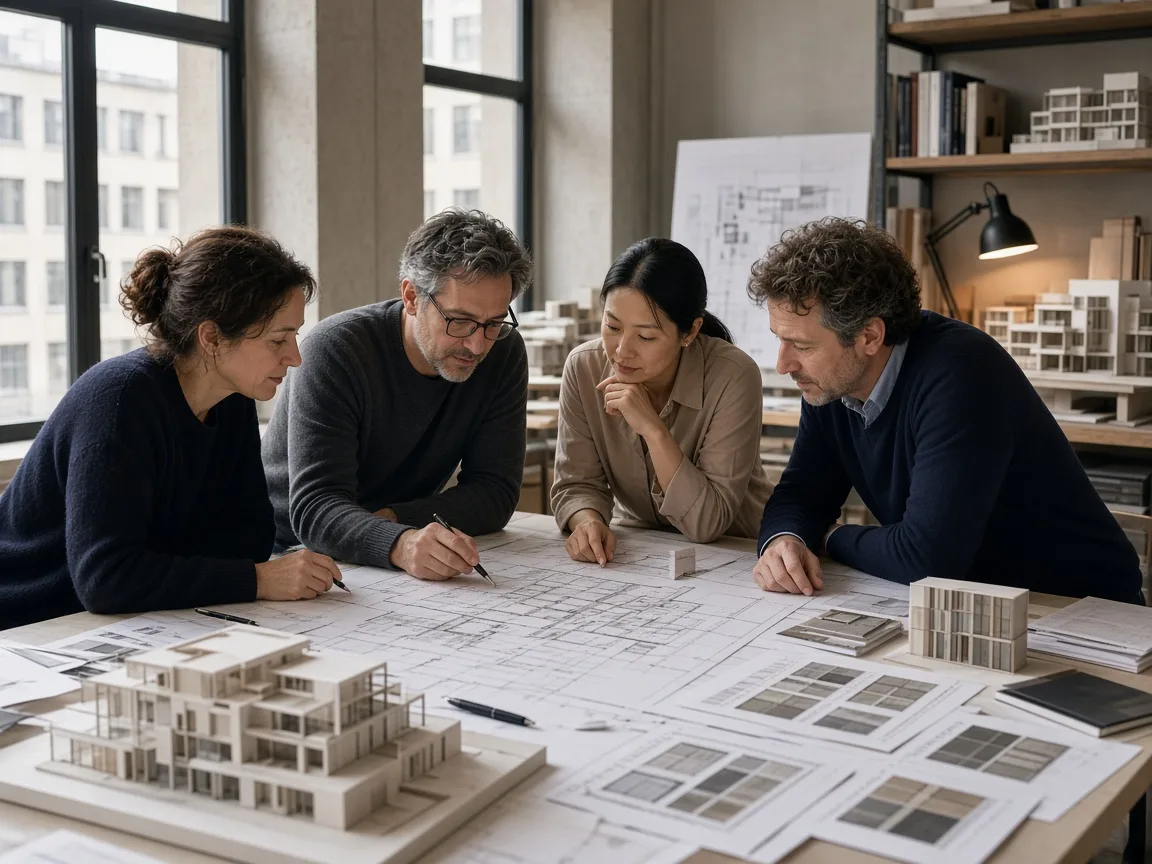
Design intent is preserved throughout the project.
- Why it matters
- Architectural quality determines a project's place in the urban fabric, user perception, and long-term value. A well-programmed project poorly executed still produces weak development.
- How we address it
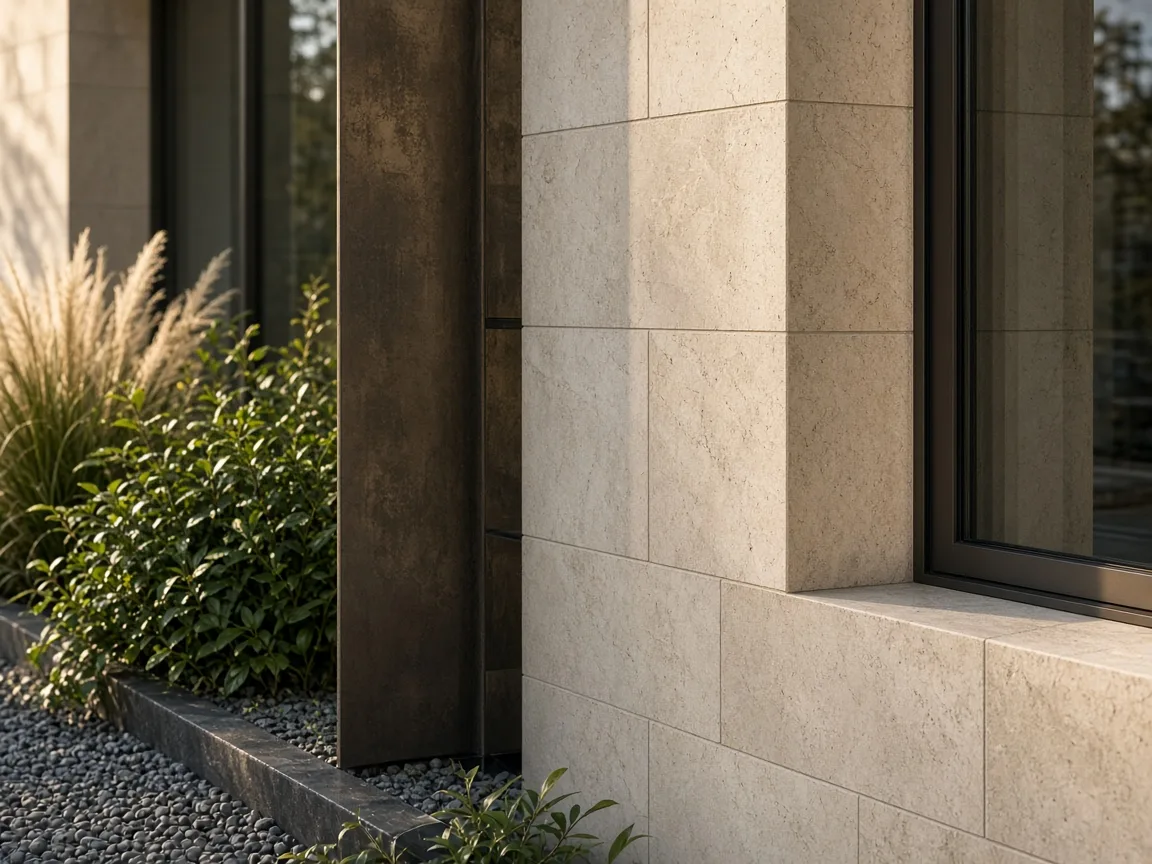
- Massing organisation, facade proportions, material language, and public realm design are tracked through architectural coordination. Architecture, interior design, landscape, and engineering are united under one development vision.
- Impact on development
- Architectural quality decisions shape project identity, user experience, and relationship with the city. Preserving design intent is the most critical developer responsibility at implementation.
05
Buildability
Concept is tested against site reality.

- Why it matters
- A strong concept must be buildable for development to progress. When site conditions are ignored, design intent is lost at implementation.
- How we address it
- Construction methods, technical systems, planning parameters, and site constraints are integrated early into the design process. MEROVA does not leave buildability to the final stage — it is tested alongside concept development.
- Impact on development
- Buildability analysis makes risks visible early in the project. Technical realism supports the preservation of design intent.
06
Long-Term Value
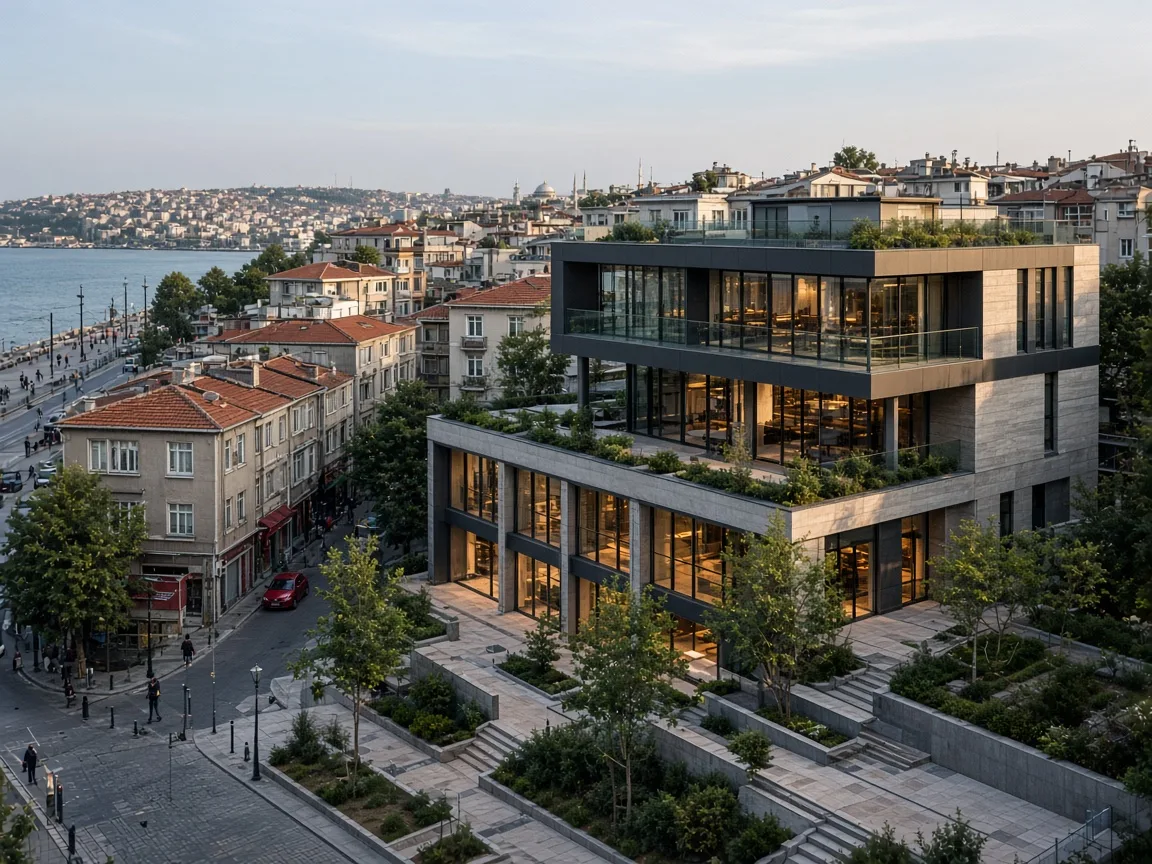
Today's decisions define tomorrow's place.
- Why it matters
- Beyond short-term goals, developing places that hold their value for years is MEROVA's core perspective. Projects not conceived long-term begin losing value from delivery.
- How we address it
- Maintenance profile, material durability, program flexibility, and urban sustainability criteria are included in development decisions. Every project is treated as the beginning of a lifecycle — not the moment of delivery.
- Impact on development
- Long-term value perspective flows into material selections, unit typology, public realm strategy, and management model.
Decisions become
process.
These six dimensions run through every stage of the MEROVA development lifecycle. A disciplined coordination line is established from opportunity assessment to delivery and life in the place.
Have a site, a project,
or an idea?
Let's evaluate development opportunities together — looking at your project through location, program, and long-term value.