Development Process

Seven stages
from opportunity to delivery.

The MEROVA development model follows a disciplined coordination line from opportunity assessment through to delivery and life in the place.

An unbroken line
from opportunity to life.

The MEROVA development process is built on a realistic seven-stage lifecycle. Each stage forms the foundation for the next; a disciplined coordination line runs from project potential to living place.

This is not a software timeline. It is an editorial development practice — a model in which decisions, coordination, and outcomes are read through the place itself.

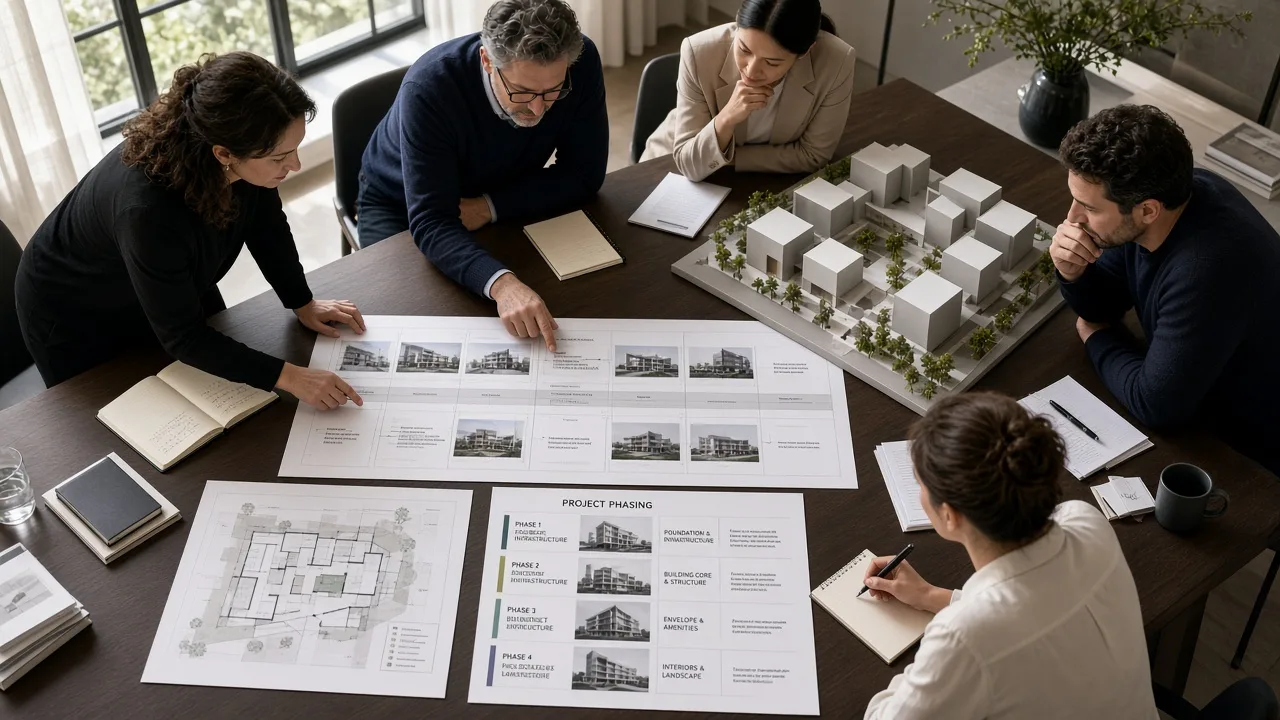
Development process coordination and phase planning

Lifecycle — 7 stages

01Opportunity &
02Feasibility
03Concept
04Architectural &
05Implementation Coordination
06Market Preparation
07Handover &

01

Opportunity & Land Assessment

Every development journey begins with reading potential.

What we assess
Market dynamics, site structure, planning conditions, urban context, access networks, and development scenarios are examined together. Long-term potential is assessed separately from short-term appeal.
Decisions made
Whether to proceed, project type (residential, mixed-use, commercial), initial program parameters, and location strategy are determined at this stage.
Teams coordinated
Development team, urban planning consultants, legal advisors, and market analysis resources.
Outcome
A clear opportunity assessment report and a decision to proceed — or a conscious stop.
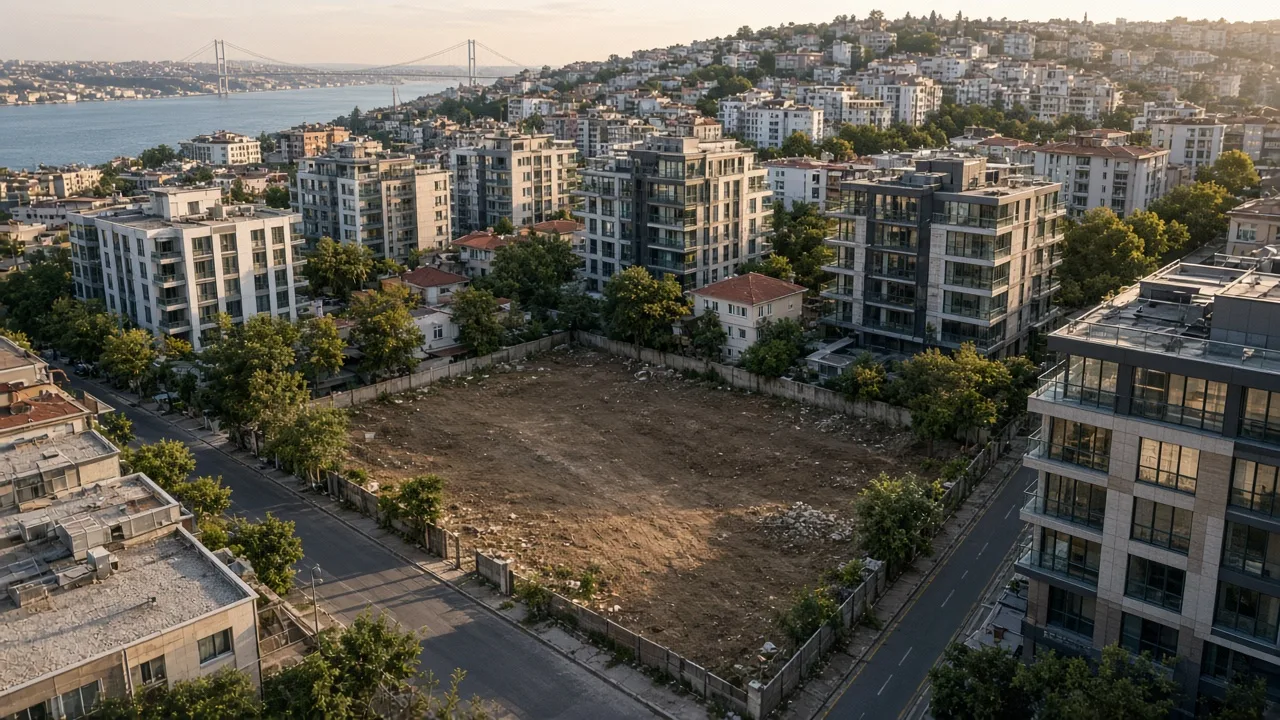
Site potential and opportunity assessment, urban context analysis

02

Feasibility

Architectural goals and economic reality are tested in the same frame.

What we assess
Program versions, cost structure, revenue scenarios, cash flow projections, and risk factors are validated through a disciplined feasibility model.
Decisions made
Which program version proceeds, design budget parameters, financing structure, and development timeline are approved at this stage.
Teams coordinated
Architecture team, finance and investment advisors, cost consultants, development management.
Outcome
Approved feasibility framework and program version to proceed.
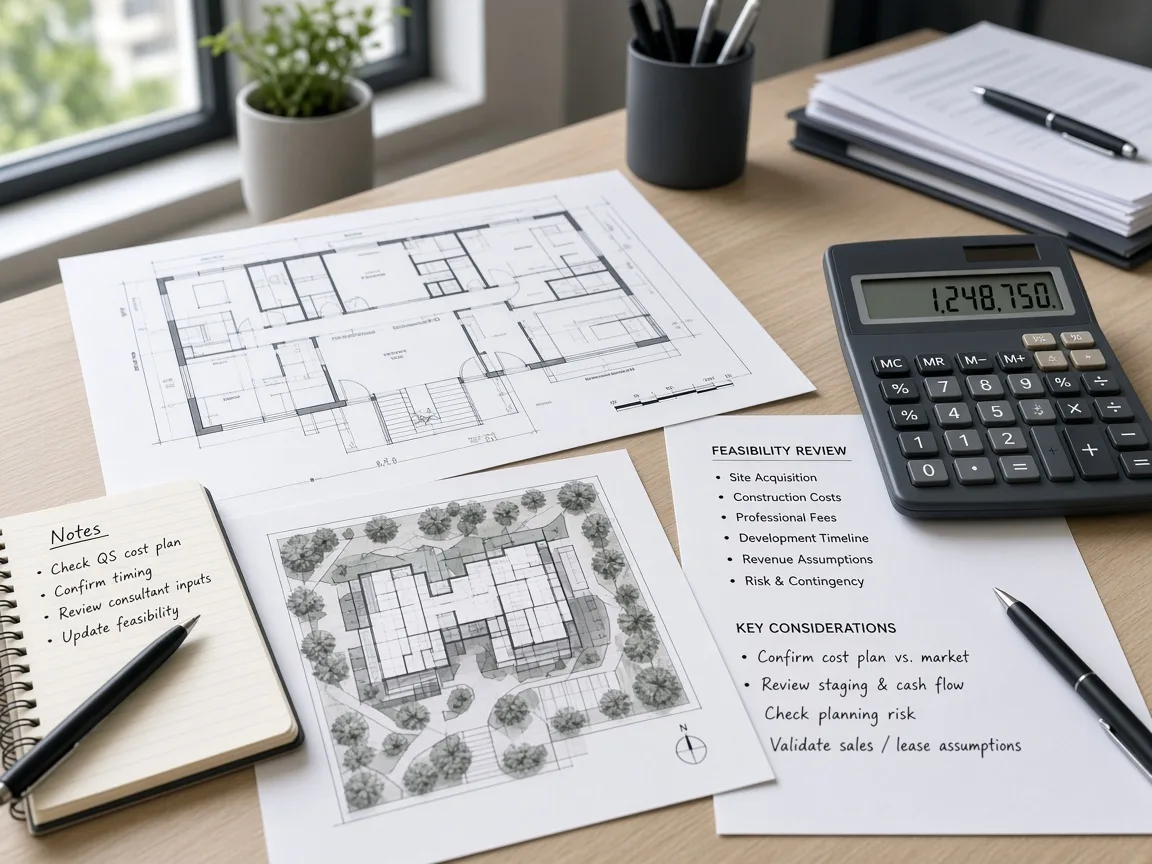
Feasibility work, program and cost analysis

03

Concept

The project's architectural and programmatic identity takes shape.

What we assess
Massing organisation, user experience, public realm strategy, material language, and landscape approach are tested as alternative scenarios.
Decisions made
Approved concept, massing model, program organisation, facade strategy, and material palette are defined at this stage.
Teams coordinated
Architecture office, landscape design team, interior design consultants, development team.
Outcome
Approved concept documentation and massing model.
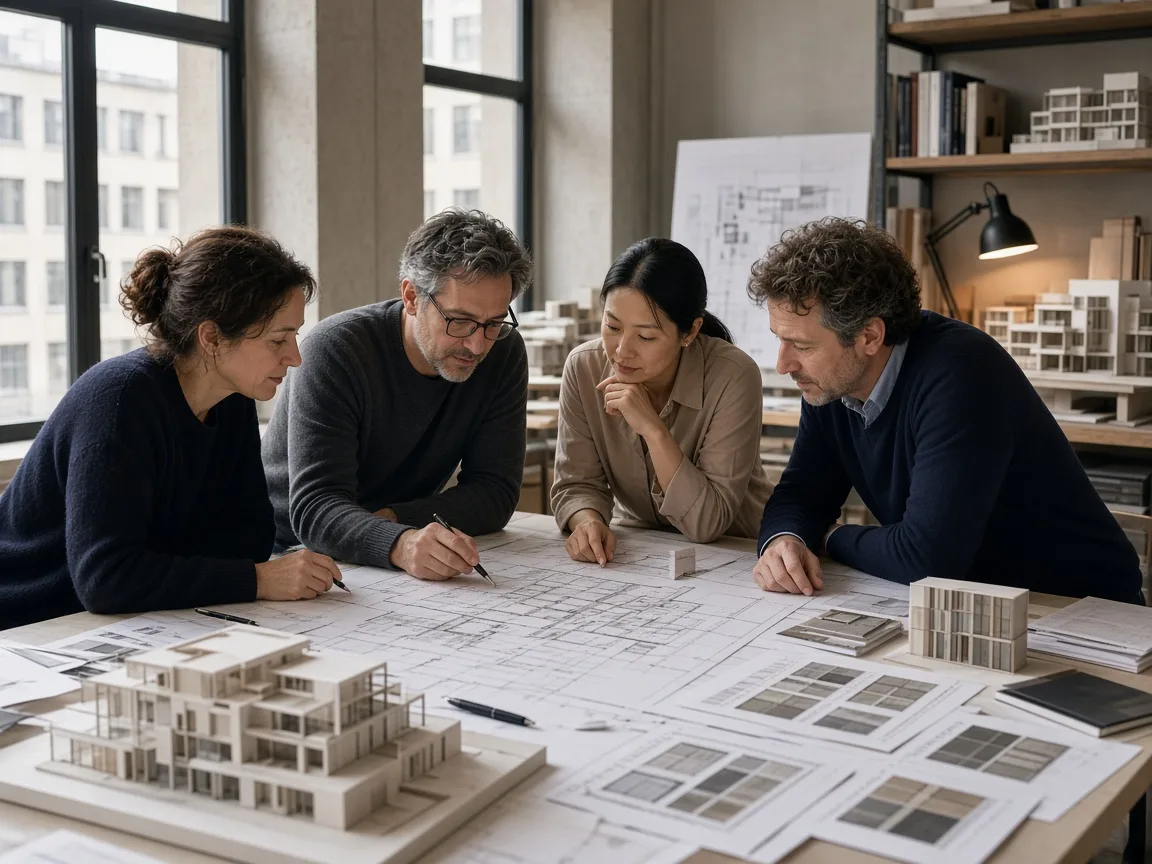
Concept development, architectural model and facade study

04

Architectural & Technical Development

Design intent is detailed; technical systems are defined.

What we assess
Floor plans, facade details, structural system, MEP infrastructure, landscape details, and material specifications are developed.
Decisions made
Coordinated project documentation, material specifications, technical system selections, and final pre-construction design revisions.
Teams coordinated
Architecture, interior design, structural, mechanical, electrical, landscape, and acoustic consultants; development coordination team.
Outcome
Coordinated project documentation ready for construction.
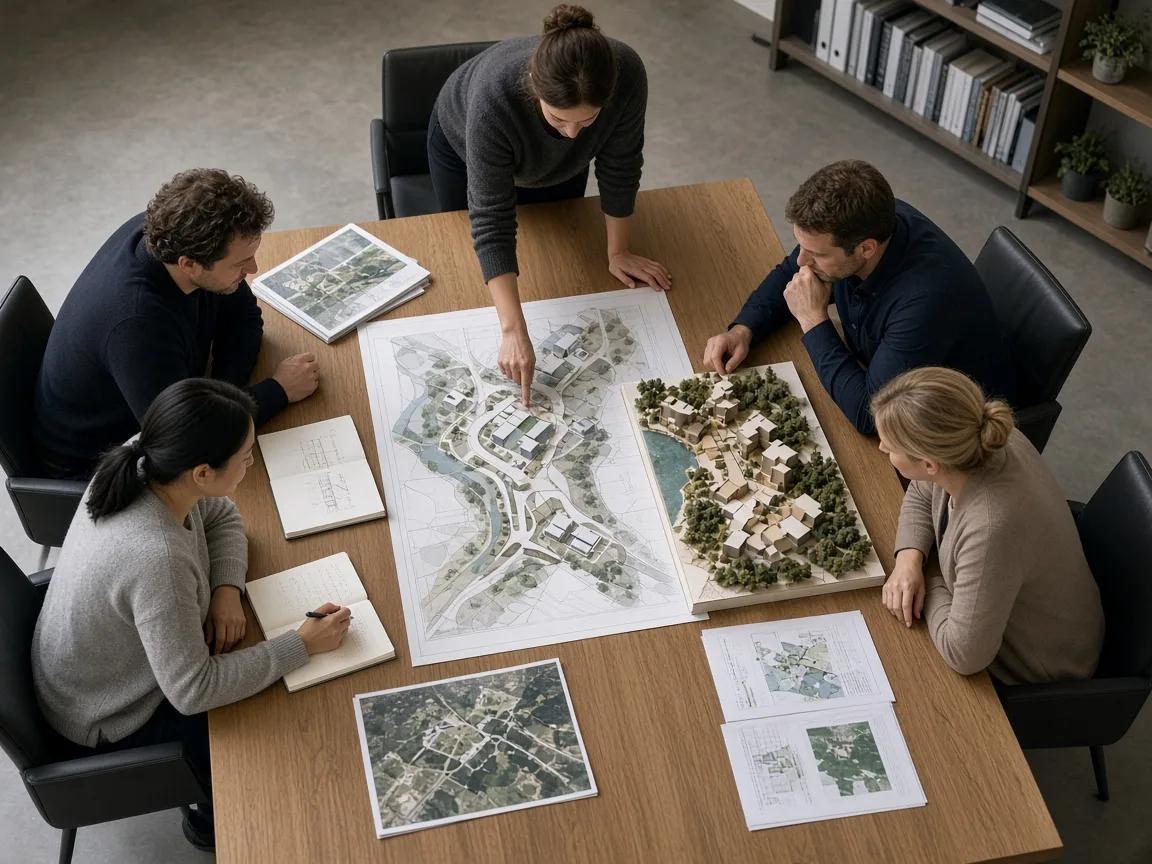
Architectural and technical development, masterplan review

05

Implementation Coordination

The bridge between site and design is managed.

What we assess
Construction programme, procurement processes, quality control points, site conditions, and cross-disciplinary alignment are continuously monitored.
Decisions made
Site revisions, material approvals, programme updates, and preservation of quality standards.
Teams coordinated
Contractor, subcontractors, architecture office, engineering teams, development management, quality control.
Outcome
A coordinated delivery process faithful to design intent and buildability.
Implementation coordination, material selection and site inspection

06

Market Preparation

The project is positioned in alignment with development decisions.

What we assess
Target user profile, unit typologies, project narrative, visual language, and launch strategy are aligned with the development vision.
Decisions made
Sales or leasing strategy, unit pricing framework, launch timeline, and communication language.
Teams coordinated
Marketing team, sales advisors, brand and communication consultants, development team.
Outcome
A market entry strategy and sales materials consistent with development decisions.
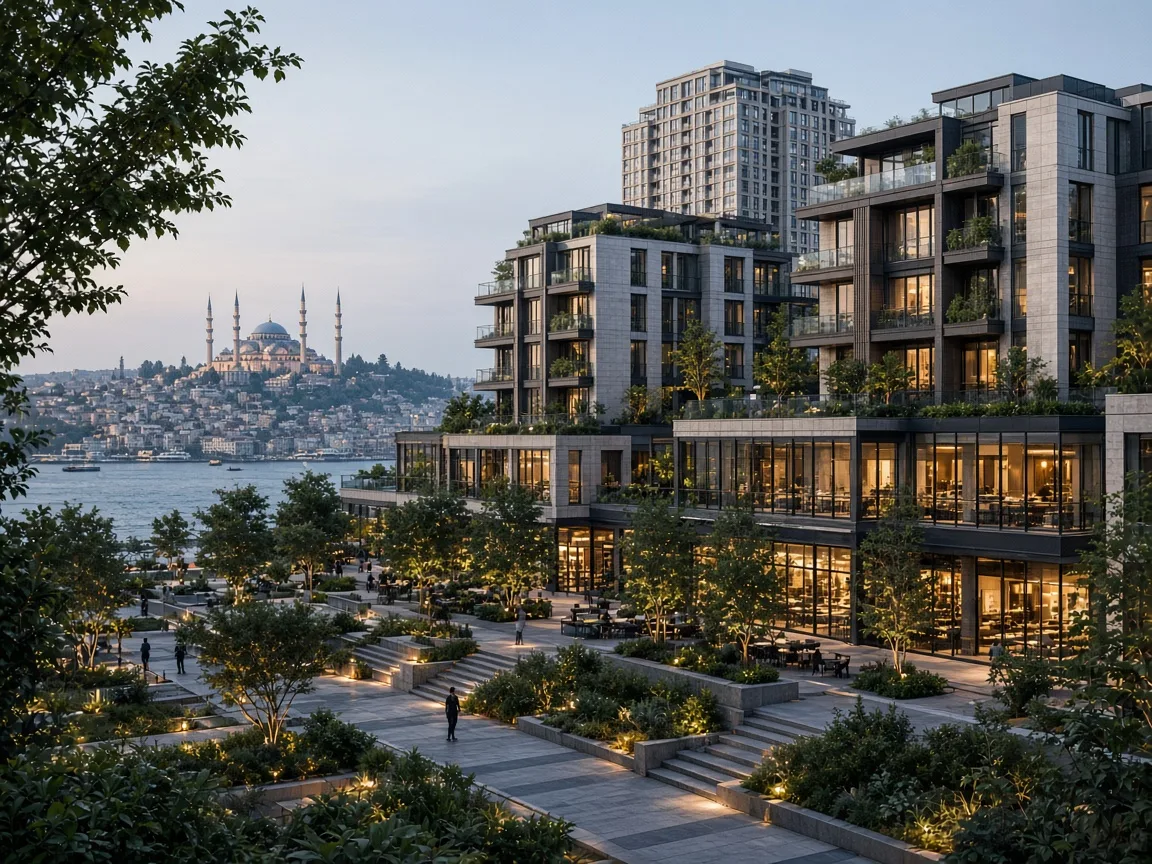
Mixed-use project, market preparation perspective

07

Handover & Life

The lifecycle of places begins at delivery.

What we assess
Handover processes, user experience, common area management, maintenance plans, and long-term asset perspective are addressed together.
Decisions made
Handover programme, user information process, warranty management, and post-delivery operation model.
Teams coordinated
Development team, site management, user representatives, technical service teams.
Outcome
A planned handover process and transition to the project's lifecycle.
Handover and life stage, development team coordination

Decisions find meaning
in this process.

The six dimensions of the MEROVA approach are reflected in this seven-stage lifecycle. Read how and why development decisions are made — together.

Have a site, a project,
or an idea?

Let's evaluate development opportunities together — looking at your project through location, program, and long-term value.