
Maintenance
The effect of periodic maintenance on mechanical systems
Maintenance is not only a response after a fault. It is a basic operating approach that protects system continuity.
Maintenance is not only a response after a fault. It is a basic operating approach that protects system continuity.
In commercial and industrial buildings, a mechanical-system stop is not only a comfort loss. It is a risk to operations, guest experience or production continuity.
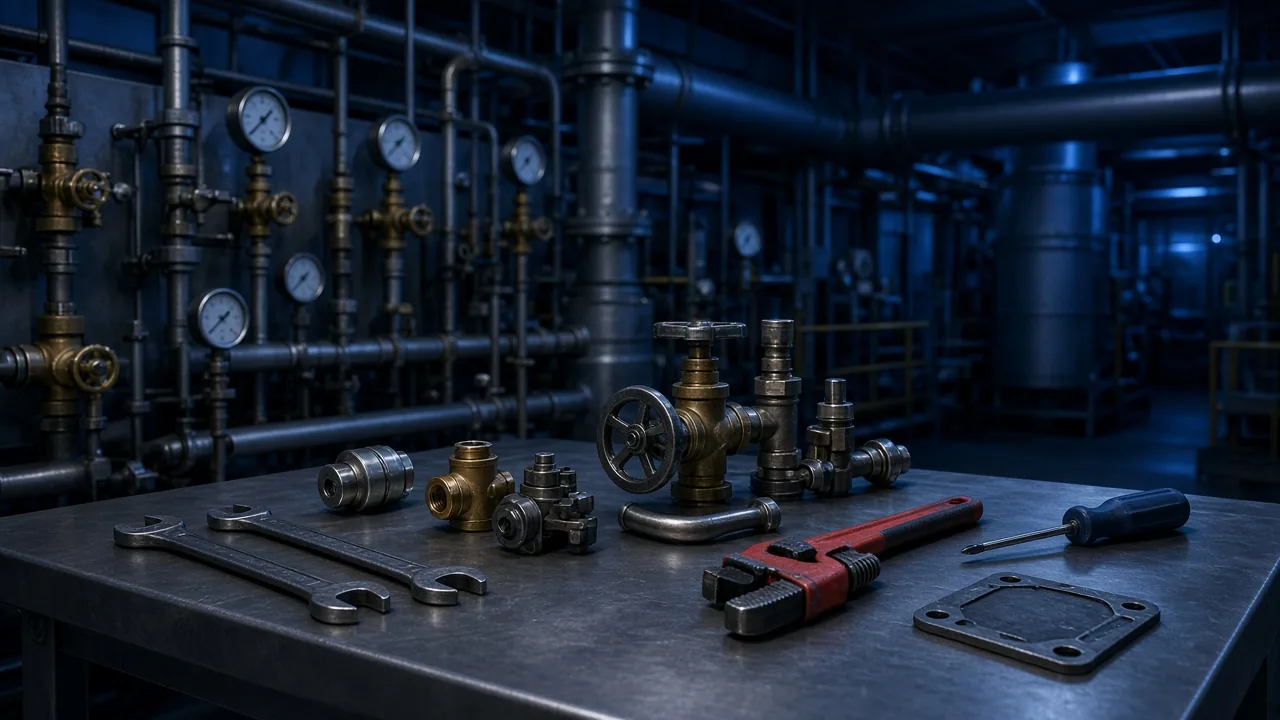
Periodic maintenance watches filters, belts, valves, pumps and automation points on a regular cycle, so intervention does not wait for a fault.
Fouled heat exchangers, unbalanced flows and sensors that have lost calibration make the system spend more energy to do the same work.
Regular maintenance keeps equipment in the operating range it was designed for. That affects both energy cost and equipment life.
Unplanned stops usually appear at the point where small neglect has accumulated. Spare parts, access and pre-season checks reduce that risk.
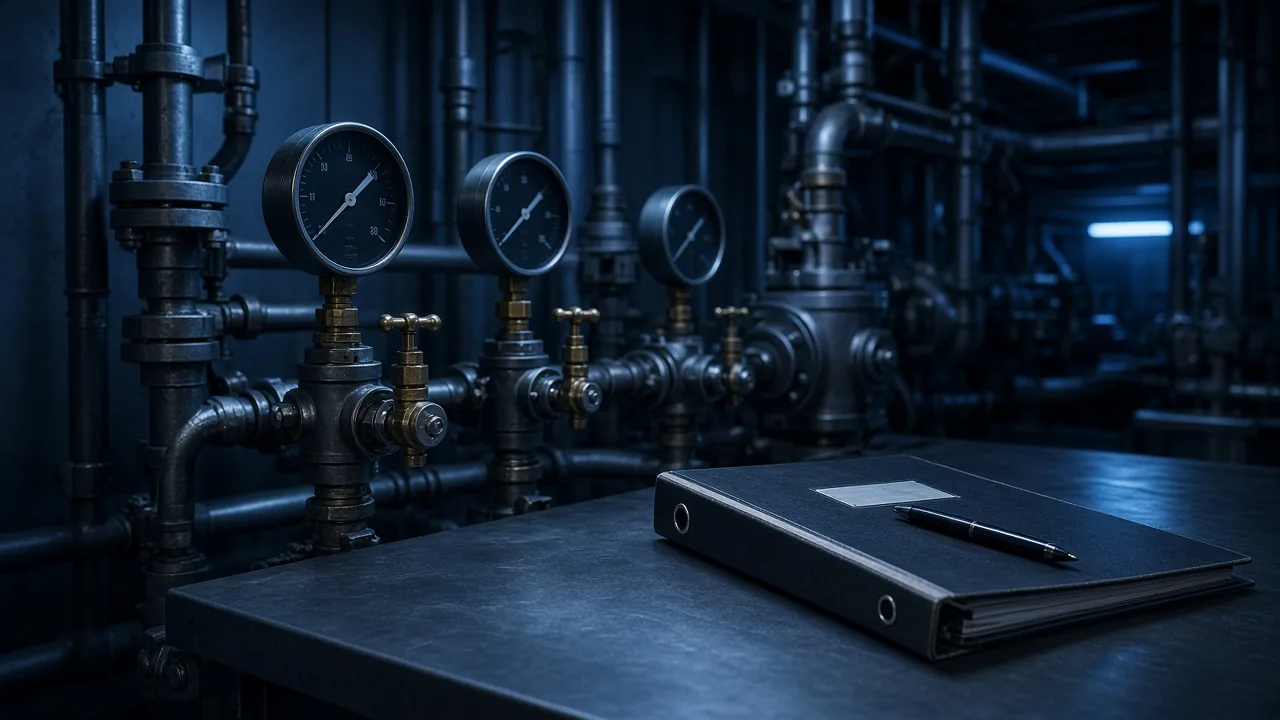
When maintenance records are kept, repeated faults become visible. Intervention then becomes a measurable operating decision, not a random repair.
A sound maintenance program holds period, checklist, reporting and, when needed, a modernization suggestion in the same frame.
Keeping first-day performance depends on follow-up discipline as much as on correct installation. Maintenance is the part of the project that does not end at handover.
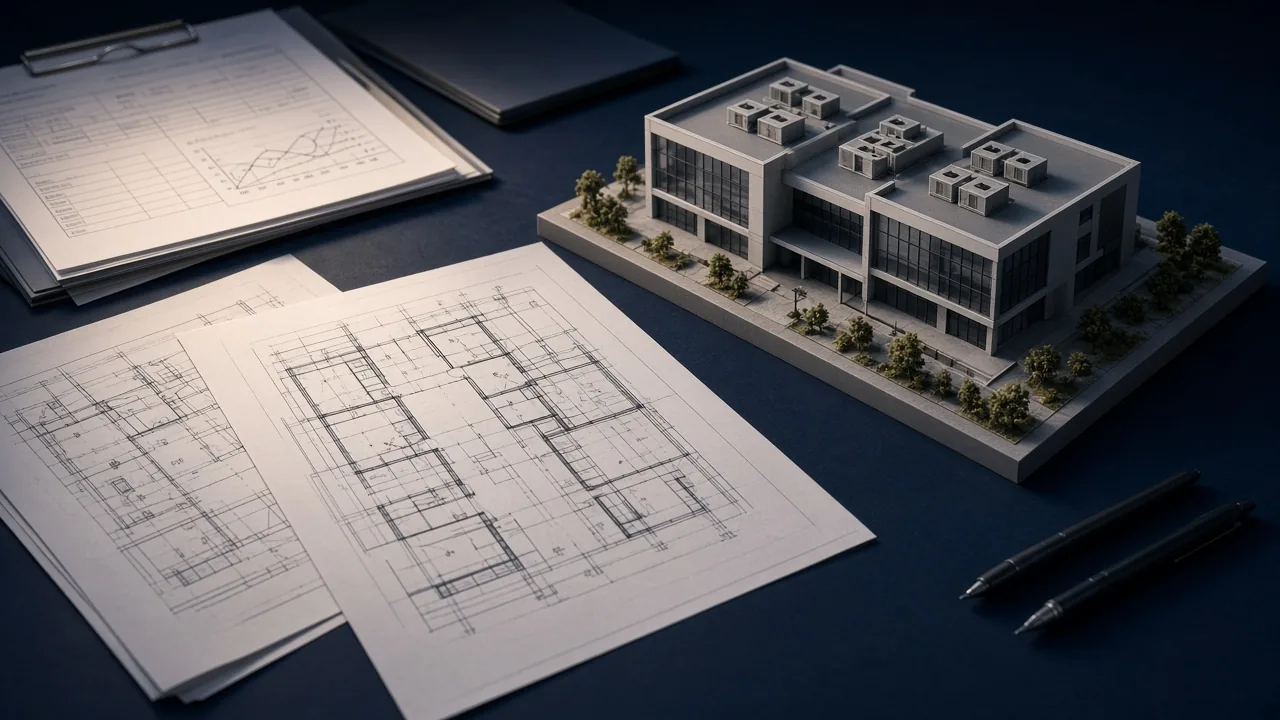
When mechanical-system decisions are taken early, project coordination and delivery clarity improve directly.
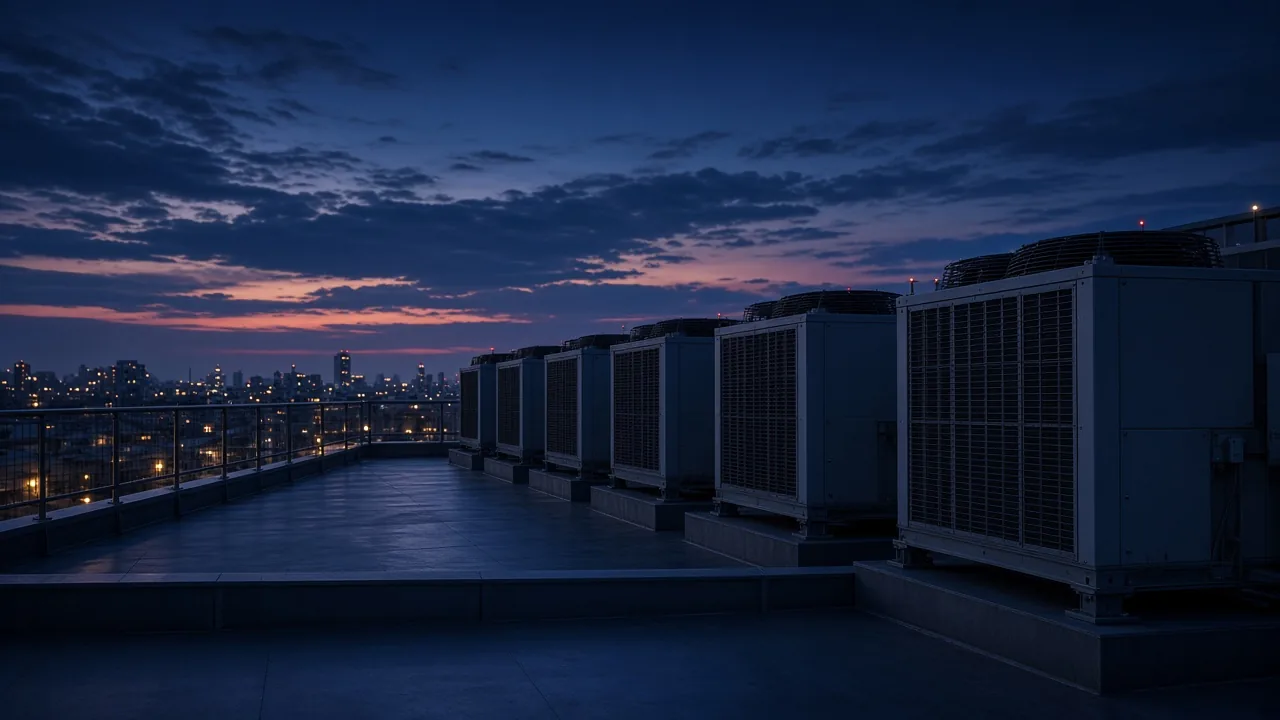
Occupancy, zoning logic and operating expectations play a deciding role in VRF selection.
Share your need around HVAC planning, system selection or maintenance.