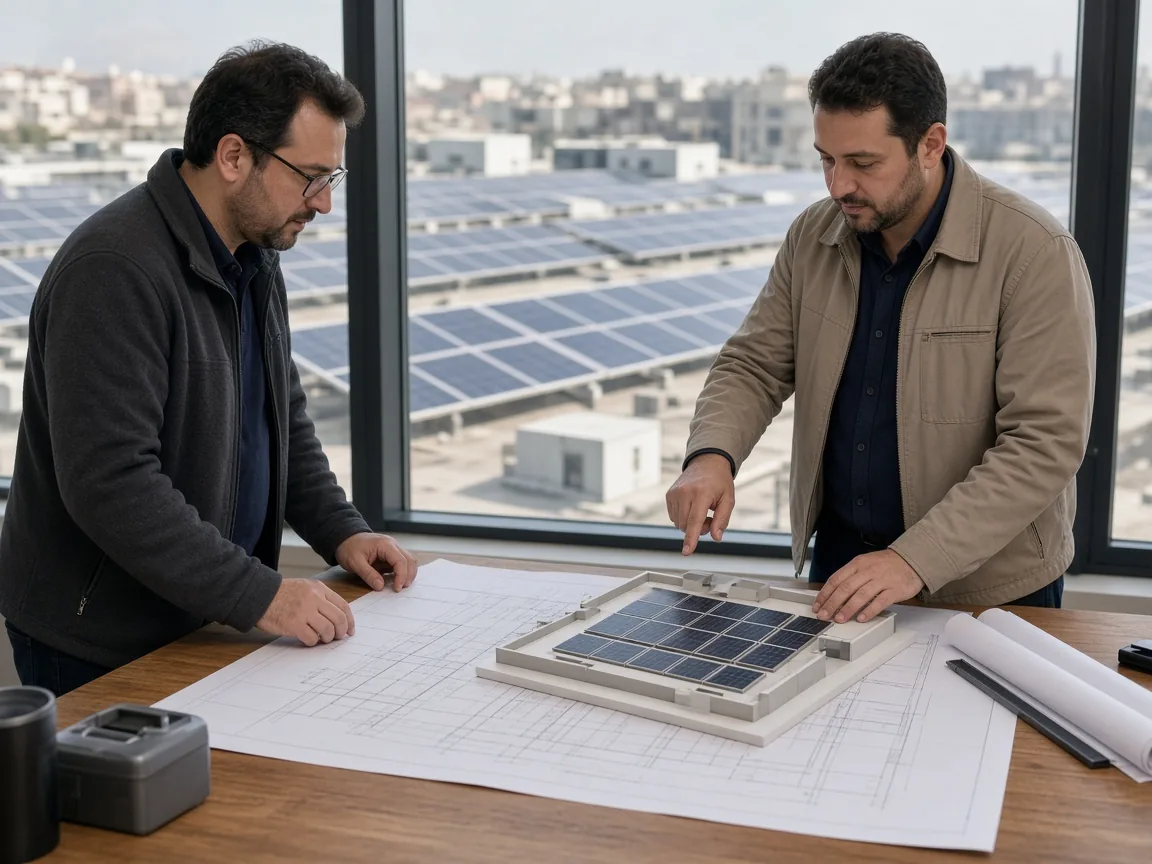



Operators often start from roof area or land size. That physical limit matters — but alone it cannot carry the investment decision.
Capacity only makes sense when read against when and how much electricity the site consumes. Without that reading, the figure is a preliminary estimate, not a feasibility report.
Capacity is not a target; it is the technical response to consumption rhythm.
Capacity comes after the profile
Hourly and seasonal load profile shows how much generation can align with self-consumption. In how we work, this reading comes before equipment selection.
Capacity written without a profile carries risk in two directions: either a system misaligned with consumption is proposed, or installation is planned beyond the physical limit.
Physical limit alone is not enough
A generous roof or land area visually promises capacity. If consumption sits outside daytime hours, the same area produces a different economic reading.
- Roof or land area — installable upper bound
- Hourly load profile — self-consumption alignment
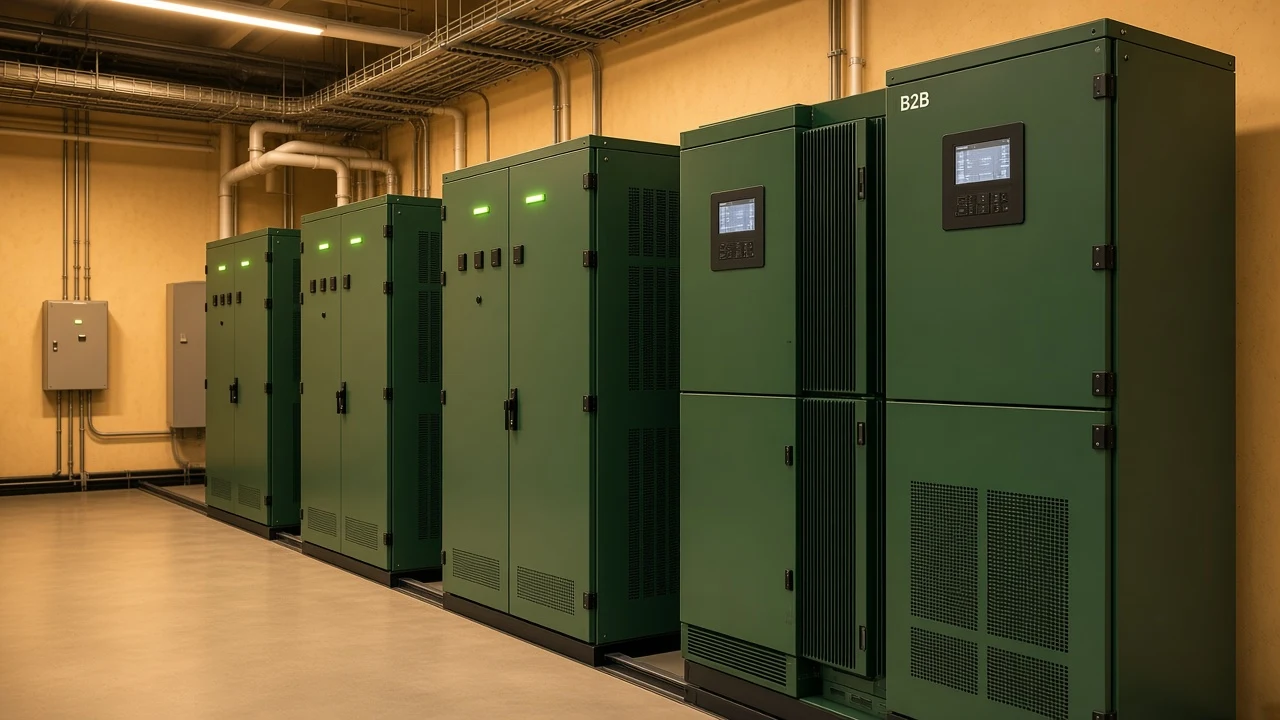
- Transformer and connection condition — technical ceiling
- Capacity range — intersection of all three
What counts as sufficient data?
Twelve months of invoices and meter readings from the distribution company is the starting point. Where possible, hourly OSOS data or in-plant sub-meter records sharpen the profile.
- 12-month invoices and meter readings — baseline profile
- Hourly OSOS data — intraday rhythm
- Sub-meter records — line and shift separation
- Planned capacity increase — scenario input
If production shifts, seasonal cooling load or new line commissioning is planned, historical data alone may not be enough. Transformer capacity and connection distance define the technical boundary of that scenario.
Sizing aligned to self-consumption
Capacity is read together with the self-consumption alignment target. A daytime-heavy logistics warehouse and a night-shift industrial plant do not carry the same MW value.

The aim at feasibility stage is not maximum installation — it is a viable range aligned to the site's consumption rhythm. On commercial rooftop PV and land-based projects the range reads differently; the logic stays the same.
Why early capacity lock-in is costly
When capacity is locked early, equipment selection, transformer load, cabling and connection application all bind to the same assumption. When the profile clarifies later, revision cost rises.
- Load profile — the site's electricity rhythm
- Physical limit — roof, land, access
- Grid condition — transformer, connection point
- Capacity range — viable MW band
- Equipment and economic reading — after profile is clear
That sequence produces the least revision on B2B PV decisions. From an EPC technical capability perspective, the gap between feasibility output and field delivery often starts here.