

 Pigmentation & Discolouration A Dermatological Approach to Skin Discolouration The key factors physicians consider when assessing pigmentary disorders and the principles of treatment planning. Dr Emre Korkmaz Read →
Medical Aesthetics
Why Is Personalised Planning Important in Medical Aesthetics?
The role of individual assessment, expectation management, and a measured approach in medical aesthetic procedures.
Medical aesthetic procedures may be considered to support skin quality, plan interventions for specific aesthetic goals, or address signs of ageing in a measured way. However, not every procedure is suitable for every patient. This article explains why personalised planning is central — it does not recommend procedures or promise results.
Why is a standard plan not enough?
Facial anatomy, skin thickness, muscle structure, bone support, and skin elasticity differ from person to person. The same procedure may have a different effect profile on different faces.
Underlying dermatological conditions — active acne, rosacea, skin infection — can influence aesthetic planning. Assessing skin health first is important.
What is discussed during consultation?
- The patient's aesthetic expectations and priorities
- Previous procedures and responses
- Chronic conditions, allergies, and medication use
- Expectations regarding social downtime for recovery
- Preference for natural appearance and avoiding excess
- Photo analysis and facial symmetry assessment
Expectation management and a measured approach
The aim in medical aesthetics is generally to achieve noticeable yet natural results. The physician shares achievable goals within a realistic framework; not every expectation can be met in a single session.
In some cases treatment may be deferred or alternative plans suggested. This is a normal part of a safe and balanced process.
Principles considered in planning
- Phased progress with minimal, controlled dosing
- Completing the informed consent process
- Follow-up appointments to evaluate outcomes
- Plan revision or combined approaches when needed
Balancing skin health with aesthetic goals
When planning aesthetic procedures, barrier function, sensitivity history, and seasonal changes may be considered.
If laser, injectables, or skin rejuvenation are considered together, sequencing and intervals are determined by the physician.
This content is for informational purposes; it does not recommend procedures or guarantee results. You may schedule a physician consultation for personal medical aesthetic assessment.

Medical Aesthetic Physician
Dr Pınar Suat
Dr Pınar Suat focuses on balancing dermatological expertise with aesthetic goals in medical aesthetic care. She works with a philosophy of measured, individualised planning.
Physician profile →Related treatment areas
Dermatological treatment areas related to this topic. Suitability is determined following examination.
Related insights
Pigmentation & Discolouration A Dermatological Approach to Skin Discolouration The key factors physicians consider when assessing pigmentary disorders and the principles of treatment planning. Dr Emre Korkmaz Read →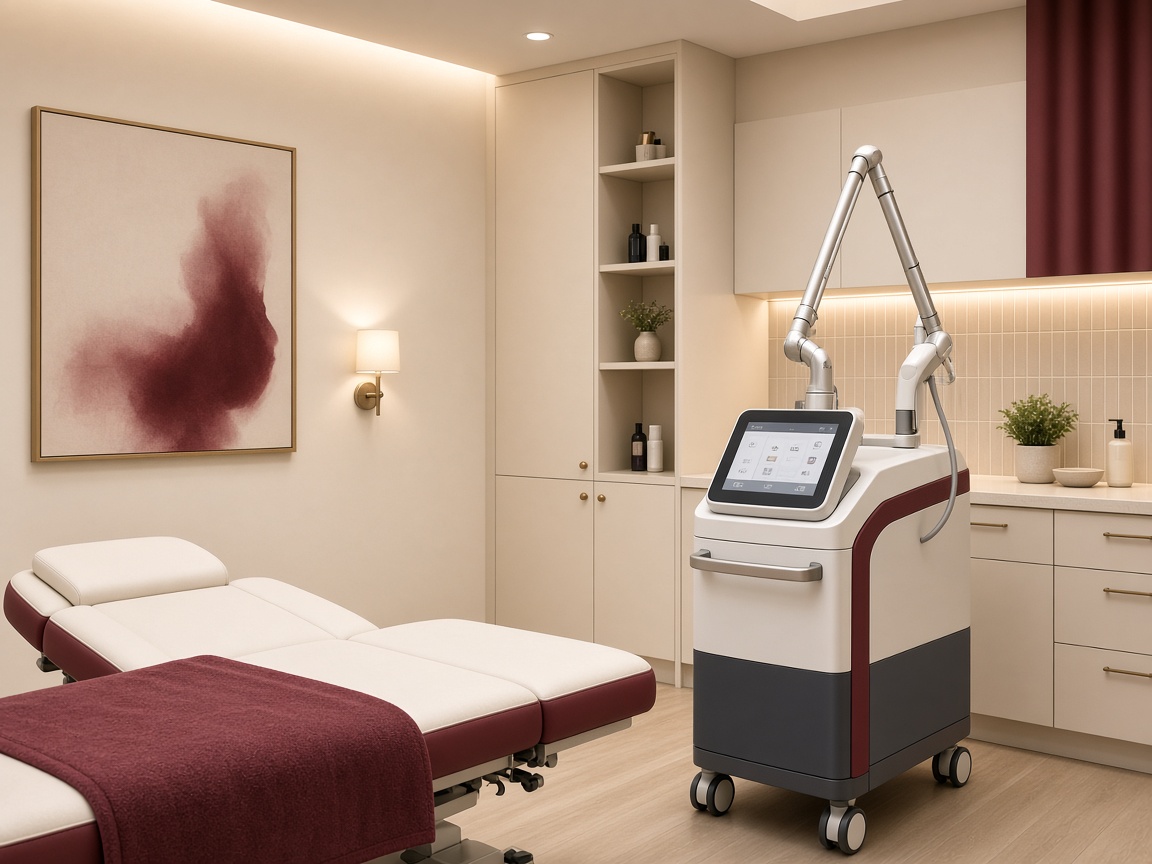 Laser Treatments What to Consider Before Laser Treatments General information about skin condition assessment, suitability criteria, and patient preparation before a laser session. Dr Emre Korkmaz Read →
 Medical Aesthetics Why Is Personalised Planning Important in Medical Aesthetics? The role of individual assessment, expectation management, and a measured approach in medical aesthetic procedures. Dr Pınar Suat Read →
This content is for information only; it does not diagnose, recommend medication or treatment, or replace medical advice.