

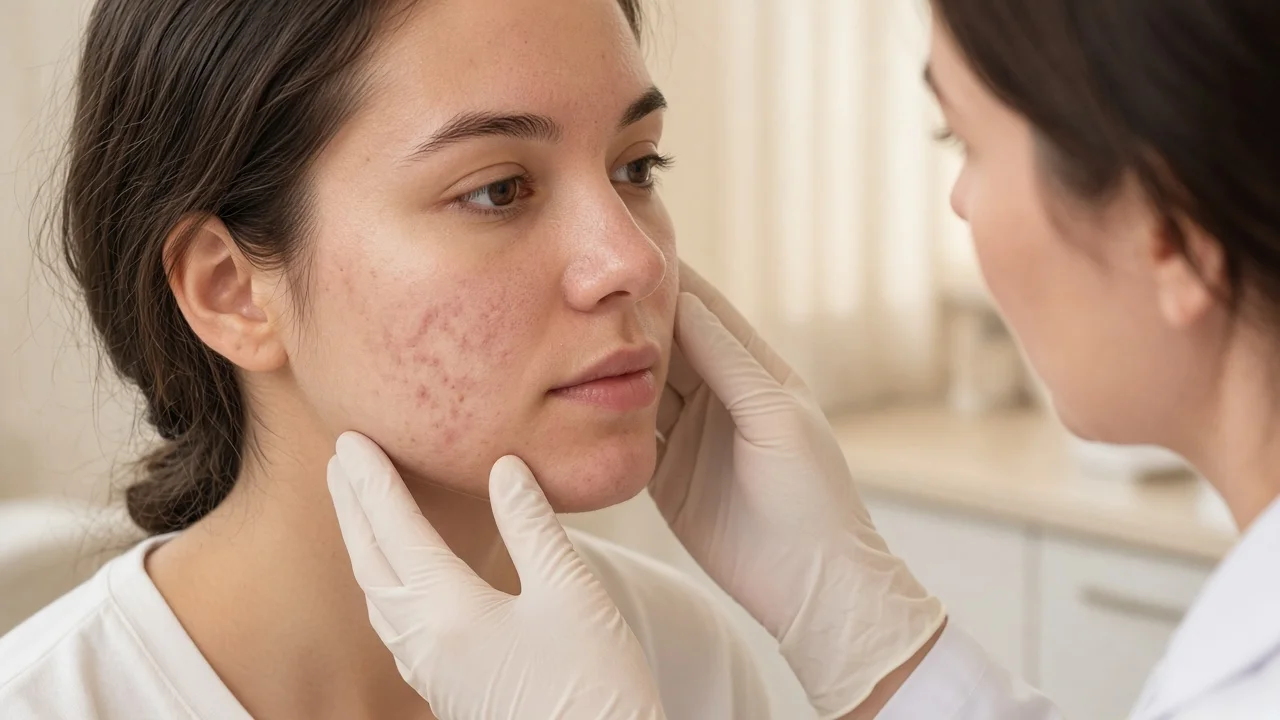
 Acne & Scarring What Causes Acne and How Is It Assessed? The key mechanisms involved in acne development and the main considerations during dermatologist assessment. Dr Emre Korkmaz Read →
Hair Health
How Is the Initial Hair Loss Assessment Conducted?
The scope of dermatologist assessment for hair loss concerns and the main points examined during diagnosis.
Hair loss may arise across a wide spectrum — from temporary telogen shedding to androgenetic alopecia, scalp conditions, or nutritional and hormonal influences. Duration, pattern, and accompanying findings guide assessment. This article explains the general topics examined at the first consultation — it does not provide diagnosis or treatment advice.
Why do hair loss types require differentiation?
The shedding pattern — crown, hairline, diffuse, or patch — may suggest possible causes. However, appearance alone does not establish a diagnosis.
Female and male pattern hair loss may follow different patterns. Scalp conditions can also present with similar complaints.
Some conditions distinguished during assessment
- Androgenetic alopecia (female/male pattern)
- Telogen effluvium — temporary, diffuse shedding
- Alopecia areata — patch-style hair loss
- Scalp dermatitis (seborrhoeic, psoriatic, etc.)
- Traction alopecia — tension-related loss
Accurate diagnosis can only be made through physician examination and additional investigation if needed.
What information is gathered at the first consultation?
- Onset time, speed, and course of shedding
- Family history of hair loss
- Recent stress, illness, surgery, or weight change
- Medication, vitamin, and supplement use
- Menstrual irregularity or hormonal treatment history (in female patients)
- Hair care habits and chemical treatments
- Whether itching, pain, flaking, or sores are present
What is examined during scalp assessment?
The physician evaluates the scalp with illuminated examination; shedding density, miniaturisation, inflammation, or scaling may be assessed.
Trichoscopy or blood tests may be planned when necessary. The same investigations are not performed in every patient.
Planning and follow-up process
Hair loss management generally requires patience and regular follow-up. Early accurate assessment may help appropriate planning begin in time.
Response time varies by shedding type; noticeable improvement within a few months is not expected in every case. The plan may be updated based on follow-up findings.
This content is for informational purposes; it does not diagnose or recommend treatment. If you notice sudden, widespread, or patch-style shedding, we recommend scheduling a dermatologist assessment.

Hair & Scalp Specialist
Dr Deniz Aksu
Dr Deniz Aksu specialises in the clinical assessment of hair and scalp concerns and personalised treatment planning.
Physician profile →Related treatment areas
Dermatological treatment areas related to this topic. Suitability is determined following examination.
Related insights
Acne & Scarring What Causes Acne and How Is It Assessed? The key mechanisms involved in acne development and the main considerations during dermatologist assessment. Dr Emre Korkmaz Read →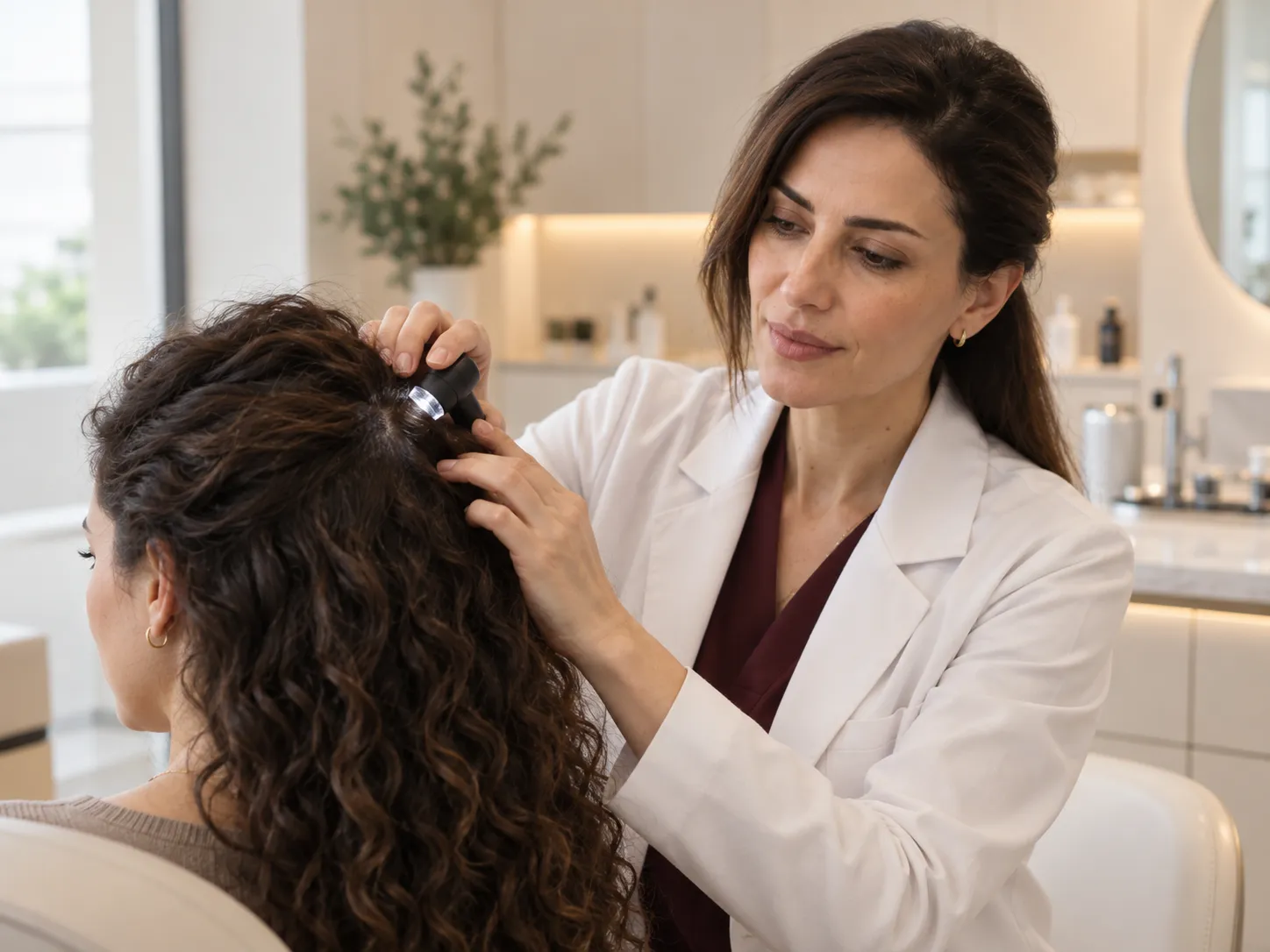 Hair Health How Is the Initial Hair Loss Assessment Conducted? The scope of dermatologist assessment for hair loss concerns and the main points examined during diagnosis. Dr Deniz Aksu Read →
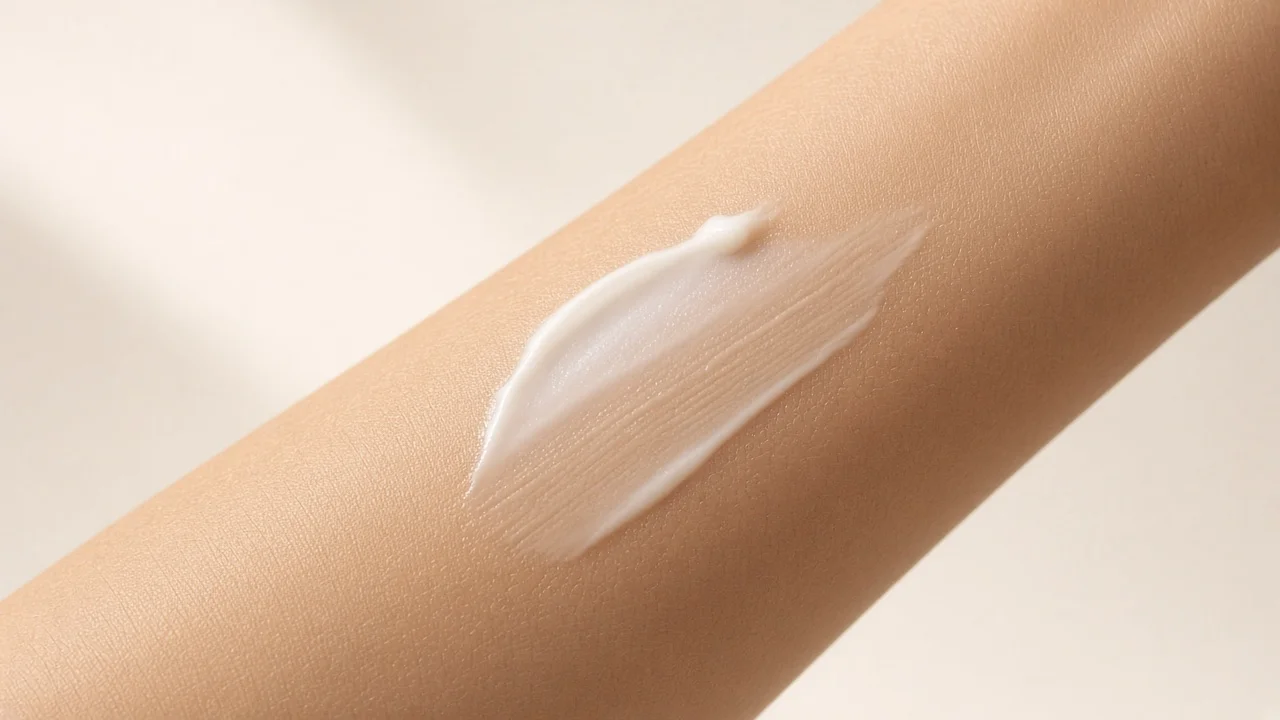 Clinical Dermatology What Is the Skin Barrier? The function of the skin barrier, symptoms that may appear when it is compromised, and its role in clinical assessment. Dr Leyla Özkan Read →
This content is for information only; it does not diagnose, recommend medication or treatment, or replace medical advice.