

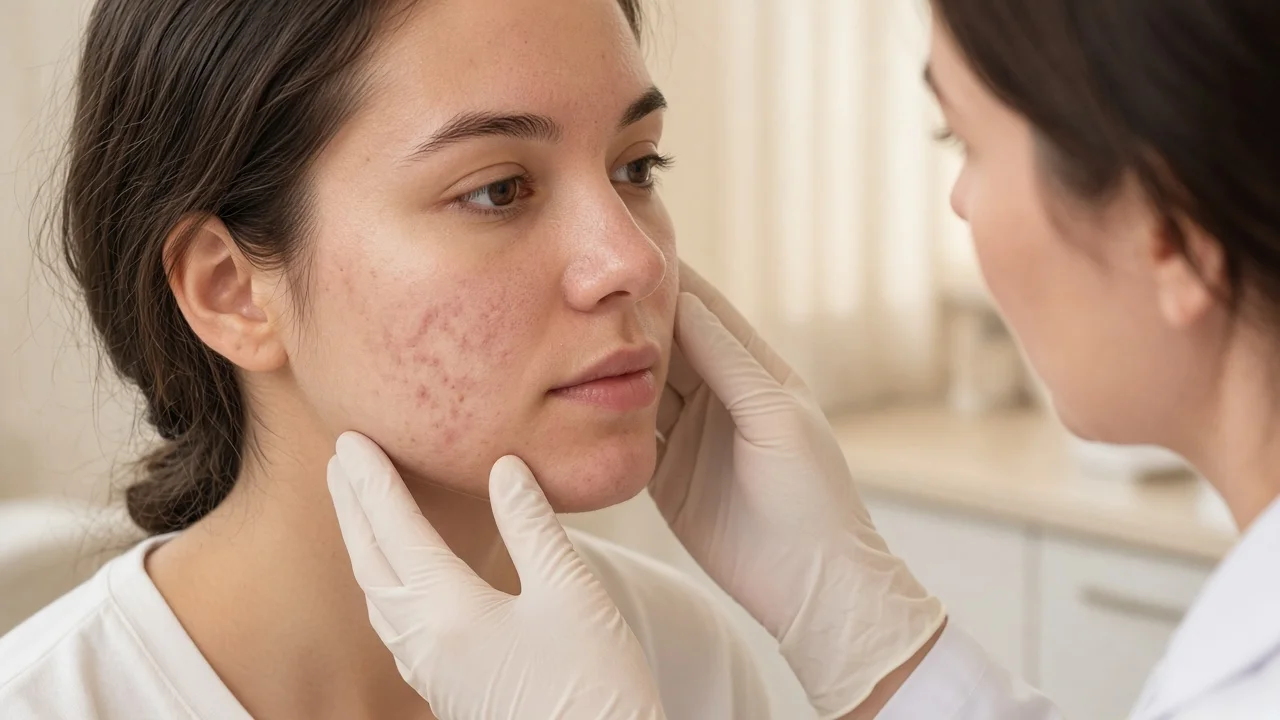
 Acne & Scarring What Causes Acne and How Is It Assessed? The key mechanisms involved in acne development and the main considerations during dermatologist assessment. Dr Emre Korkmaz Read →
Clinical Dermatology
What Is the Skin Barrier?
The function of the skin barrier, symptoms that may appear when it is compromised, and its role in clinical assessment.
The skin barrier is the structural layer in the outermost part of the skin that retains moisture and provides defence against external factors. It is one of the fundamental concepts in understanding daily skin health. This article outlines the function of the barrier and its place in clinical assessment.
What does the skin barrier do?
A healthy skin barrier limits water loss, reduces deep penetration of irritants, and forms a protective layer against microorganisms. This helps the skin remain balanced and tolerant.
When the barrier is weakened, the skin may become more sensitive to environmental factors. However, a sensation of sensitivity does not always indicate barrier dysfunction alone.
Core components of barrier structure
The skin barrier is formed by corneocytes — flattened cells in the outermost layer — and the lipid layer between them arranged in an orderly structure. This architecture helps maintain the skin's moisture balance.
Key building blocks
- Corneocytes — flattened cells in the outermost skin layer
- Lipid layer — fatty substances between cells
- Natural moisturising factors — contribute to the skin's water retention capacity
- Microbiome balance — the natural bacterial flora on the skin surface
What symptoms may appear when it is compromised?
Various symptoms may emerge when barrier function is weakened. These symptoms alone do not establish a diagnosis; similar complaints can appear in different dermatological conditions.
- Dryness, tightness, or flaking
- Burning, stinging, or increased sensitivity
- Redness or irritation
- Reduced tolerance to skincare products
- The barrier may be affected in conditions such as atopic dermatitis or rosacea
These symptoms may have many different causes. Physician examination is required for accurate assessment; we recommend against self-diagnosis.
Daily factors that may affect the barrier
Daily habits and environmental conditions can positively or negatively influence barrier function. However, not every factor affects every individual in the same way.
Factors to consider
- Excessive or aggressive skin cleansing
- Frequent peeling or irritating treatments
- Dry or cold weather conditions
- Prolonged sun exposure
- Stress and insufficient sleep
- Incompatible or overly layered product use
This list is for general information only. It may be helpful to seek physician assessment before making decisions about your personal skincare routine.
How is it addressed in clinical assessment?
The dermatologist assesses dryness level, sensitivity history, products used, seasonal changes, and any co-existing skin conditions together.
Barrier-supportive approaches are planned alongside treatment of any underlying dermatological condition if present. Moisturiser use alone may not resolve an underlying problem.
Points examined during assessment
- Skin type and degree of dryness
- Current skincare routine and product history
- Chronic or recurring skin conditions
- Seasonal and environmental triggers
- Previous treatment or procedure responses
This content is for educational purposes; it does not provide a diagnosis, recommend products or medication, and does not replace professional assessment. If you experience persistent skin sensitivity or chronic concerns, a dermatologist consultation may be worth considering.

Consultant Dermatologist
Dr Leyla Özkan
Dr Leyla Özkan focuses on the diagnosis and treatment planning of skin diseases within clinical dermatology. She takes a holistic approach to each patient, delivering care tailored to individual needs.
Physician profile →Related treatment areas
Dermatological treatment areas related to this topic. Suitability is determined following examination.
Related insights
Acne & Scarring What Causes Acne and How Is It Assessed? The key mechanisms involved in acne development and the main considerations during dermatologist assessment. Dr Emre Korkmaz Read → Hair Health How Is the Initial Hair Loss Assessment Conducted? The scope of dermatologist assessment for hair loss concerns and the main points examined during diagnosis. Dr Deniz Aksu Read →
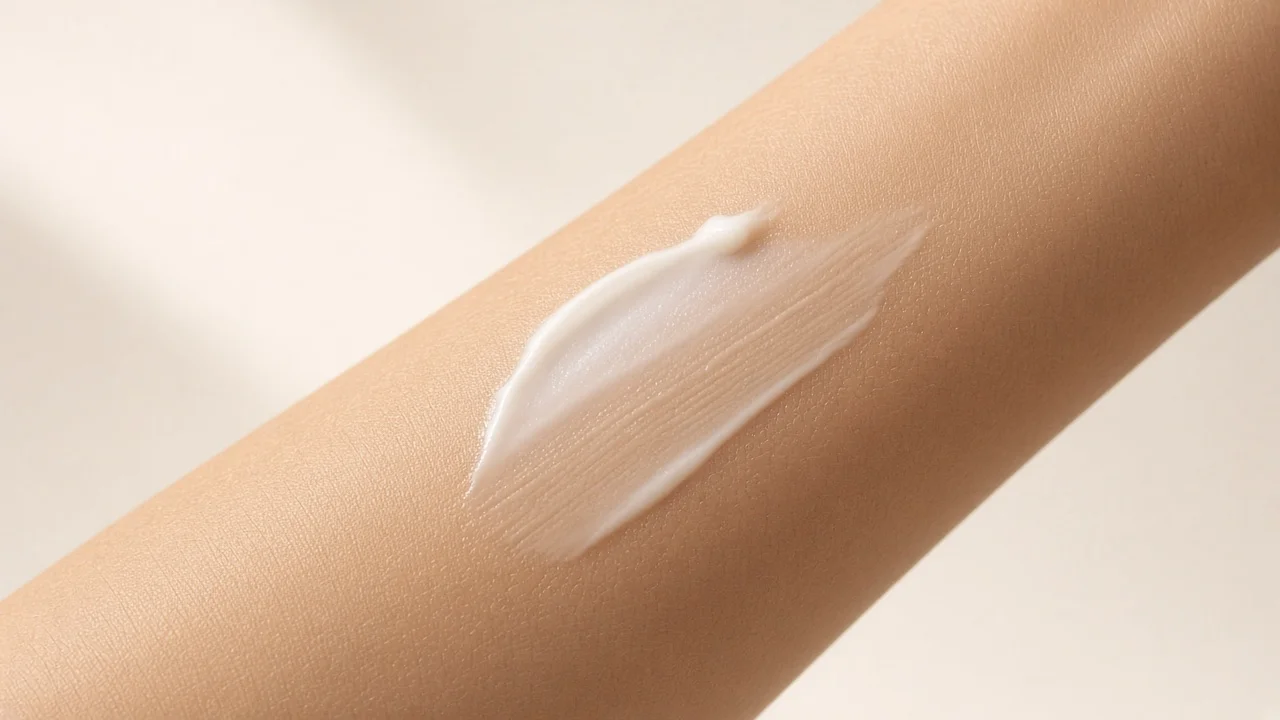 Clinical Dermatology What Is the Skin Barrier? The function of the skin barrier, symptoms that may appear when it is compromised, and its role in clinical assessment. Dr Leyla Özkan Read →
This content is for information only; it does not diagnose, recommend medication or treatment, or replace medical advice.