
Article content
Location is not an address
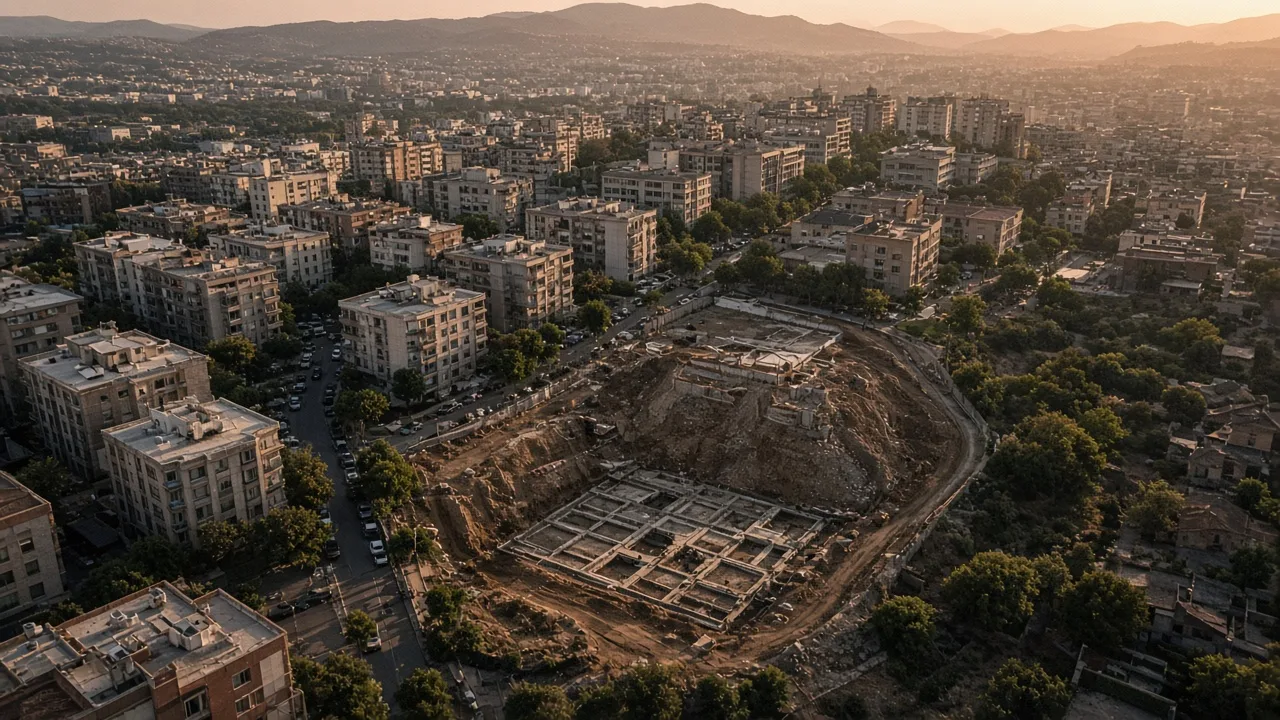
In real estate development, location is not a concept confined to coordinates. Topography, neighbouring built density, pedestrian and public transport access, relationship to public space, and neighbourhood rhythm — together they form a context that must be read as a whole.
When this reading is skipped, programme, architectural organisation, and development timeline are built on weak foundations. Location analysis is the first step in every MEROVA opportunity assessment.
Assessment framework
Urban context
Beyond parcel boundaries, surrounding built scale, facade rhythm, continuity of green fabric, and visual corridors are examined. The project's place in the city skyline is a core input to massing decisions.
Whether on the Bosphorus shoreline, a street frontage, or in a neighbourhood residential setting — each context demands a different architectural and programmatic response.
Access and mobility
Pedestrian accessibility, public transport connections, and the relationship with vehicular traffic directly influence target user profile and unit-type distribution. Access analysis also forms the basis for commercial infrastructure decisions.
Neighbourhood scale and programme
Location reveals which programme type is meaningful. Residential-led development in a low-density neighbourhood; mixed use on a street frontage; commercial programme in a corporate district — context determines programme; programme does not imitate context.
Reflection in project decisions
Massing organisation
Location reading determines building height, mass breaks, and facade orientation. The scale relationship established with neighbouring development defines the project's place in the urban fabric.
Public realm strategy
Street frontage, courtyard organisation, or terraced landscape — location indicates how public space should be composed. In mixed-use projects, this relationship is even more critical.
Reading the existing fabric
In urban regeneration and redevelopment projects, location assessment also encompasses analysis of the existing fabric. Industrial heritage, neighbourhood memory, and infrastructure conditions determine how the new programme relates to context.
Early stage, lasting decisions
Once location assessment is complete, whether development proceeds, project type, and initial programme parameters become clear. These decisions form the foundation of the feasibility stage.
From MEROVA's perspective, location is read not through short-term market appeal, but through long-term quality of use and urban sustainability.