Notes · 05
Keeping the idea on site
Site
Build is not a separate job.
- Type
- Site
- Date
- Reading
- 7 min
- Related work
- Lera Evi · Avlu Evi
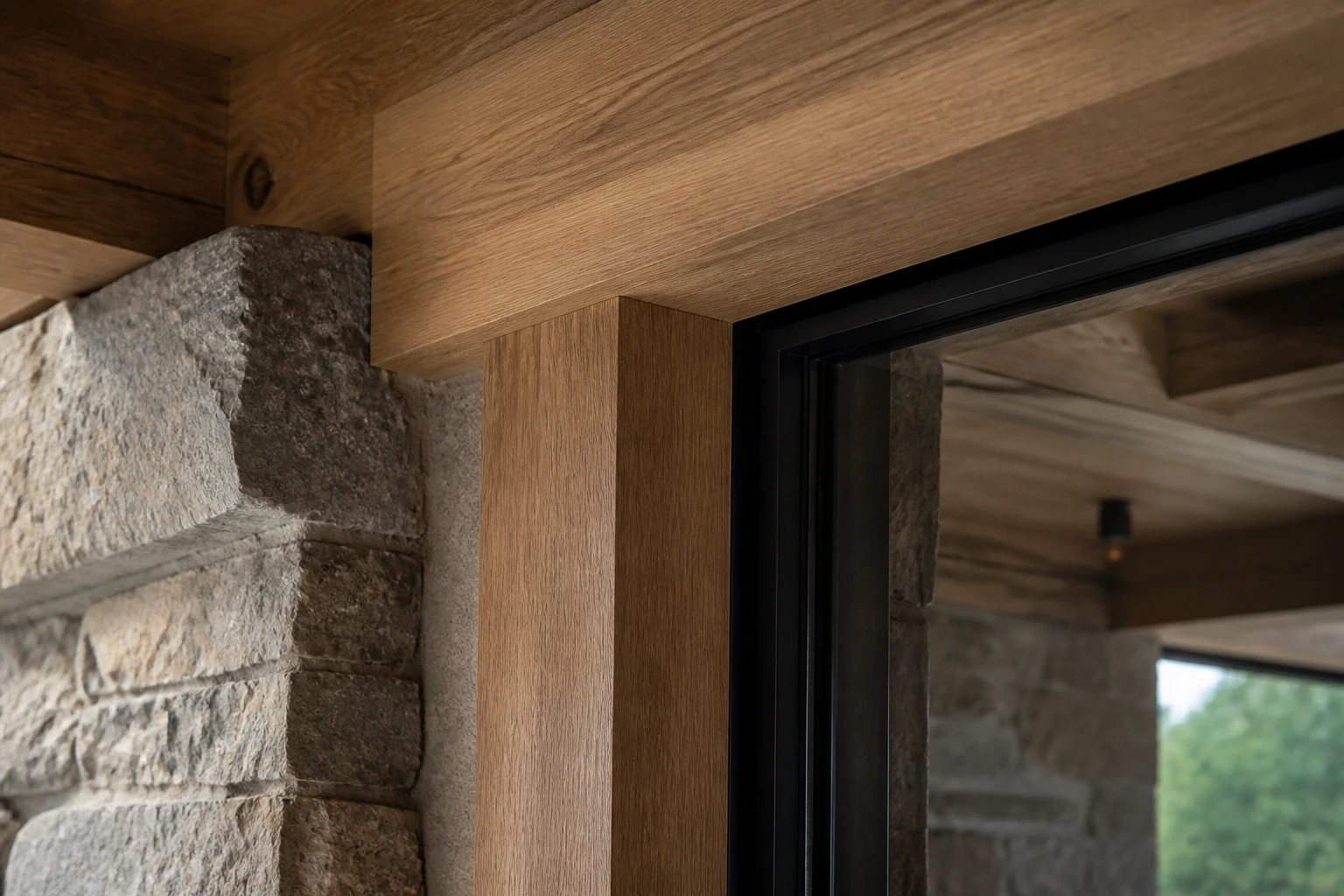
A decision that closes in the office is tested on site. The cut of the stone, the colour of the frame, the millimetre of the level sit clear in the drawing. When a slip happens in place, the house turns into another job. That is why build is a continuation of design; not a separate contract that starts after handover.
Site coordination is not there for speed. It is there so the idea does not scatter. If maker, craftsperson and technical team do not carry the same information, the project fragments. For us project management is not a tool of speed; it is the frame that lets decisions be taken on time and in the right place.
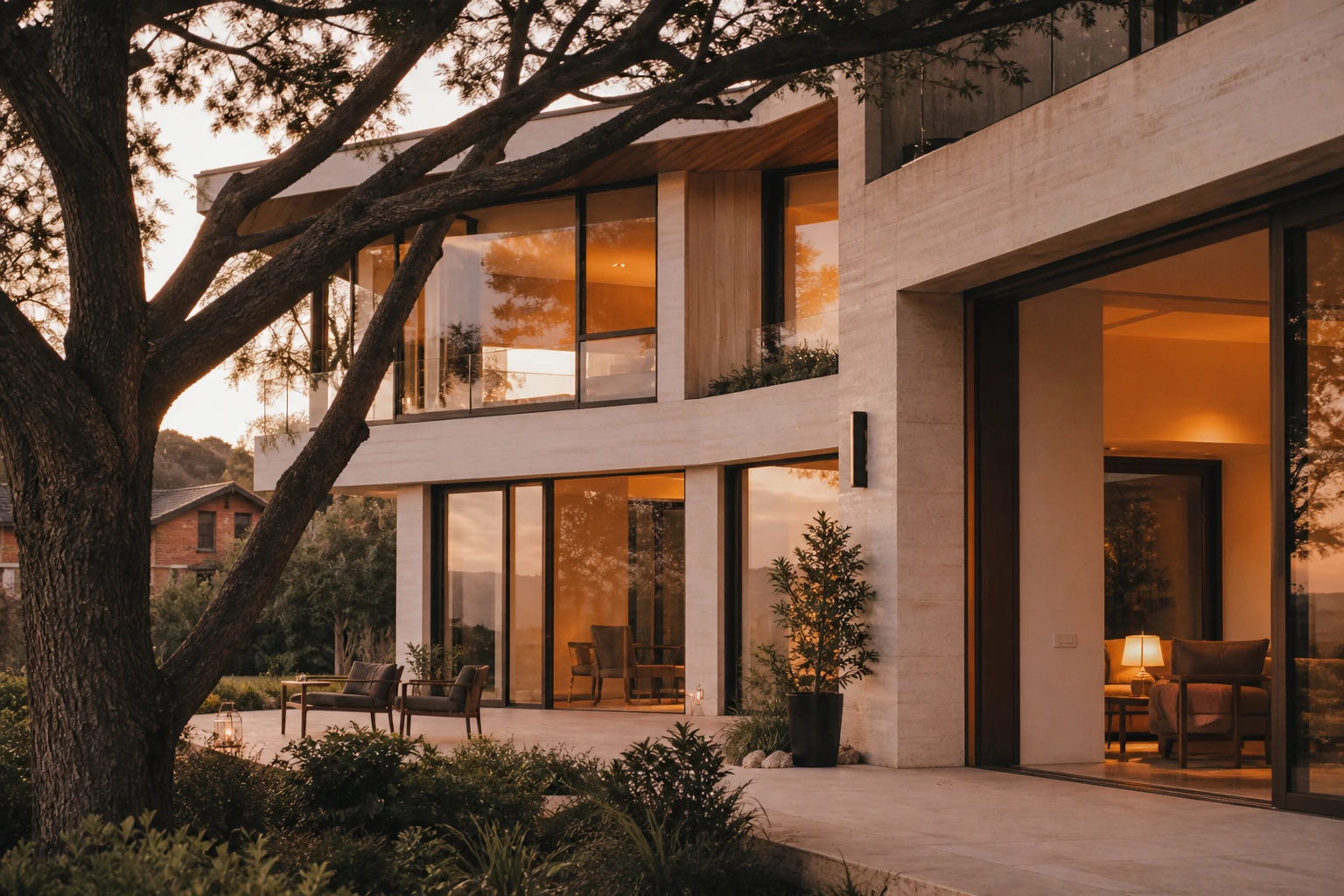
In Bebek, Lera Evi moved inside this frame. The plan set around light asked that glass, stone and garden level be held at the same time on site. If a level slipped, the garden would turn into a view. If a frame colour slipped, the palette would split in two.
Handover is not a copy of the drawing; it is the state in which the decisions stand in place.
In Sapanca, Avlu Evi was a house gathered around a courtyard. The site had to hold the courtyard floor, the room thresholds and the outer edge in the same language. If the courtyard had been left to the end as a landscape package, the centre of the house would have emptied.
A good handover is not a copy of the drawing. It is the state in which the decisions stand in place. To secure this, material supply, fabrication follow-up and detail stay at the same table. Build is visible here: junction, joint, coat, paint.
Schedule and budget are constraints. But a constraint is also a tool for not inflating the palette. Project management is not there to speed the work; it is there to protect the whole. A late material should not be swapped in haste for another material.
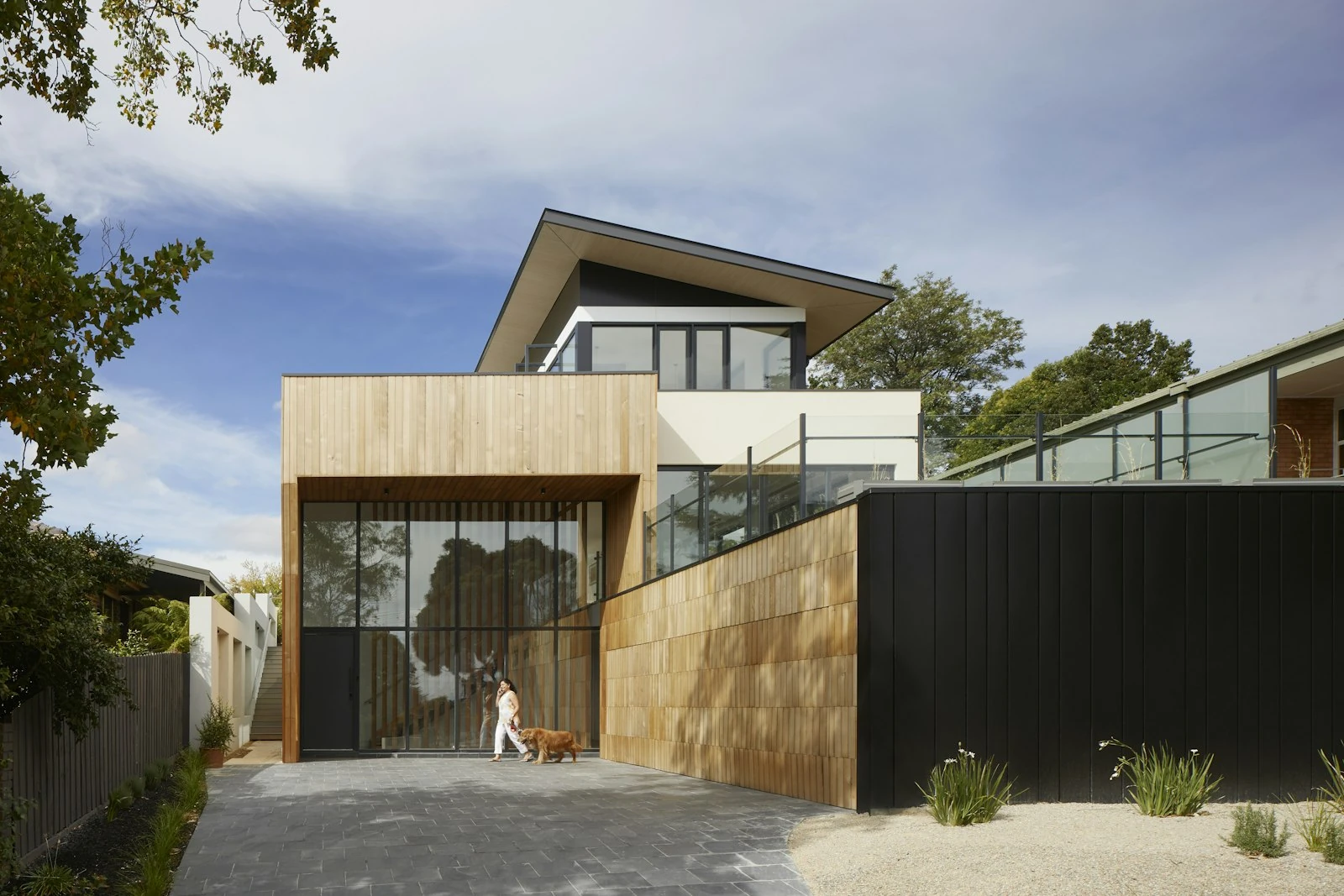
The break we often see is the office drawing and another team “finishing”. Two languages appear. The façade becomes one house, the interior another. We carry the line as far as the site. This does not mean we drive every nail. It means the same decision stands in place.
The site is also where architectural design and the interior decision are tested. A niche, a threshold, a light sit right in the drawing; on site the scale can slip. A new idea is not invented at that moment. The decision from the office is clarified in place.
Handover day should not be a display day. The house is not set up for a photograph. It is left in the state it will be used. Lera Evi and Avlu Evi therefore also stood quiet on site. There was no extra layer, no material added at the last moment.
Keeping the idea on site is not the office becoming a controller. It is the conversation continuing. A craftsperson can set a cleaner junction. A maker can simplify a detail. Project management is not losing this conversation.
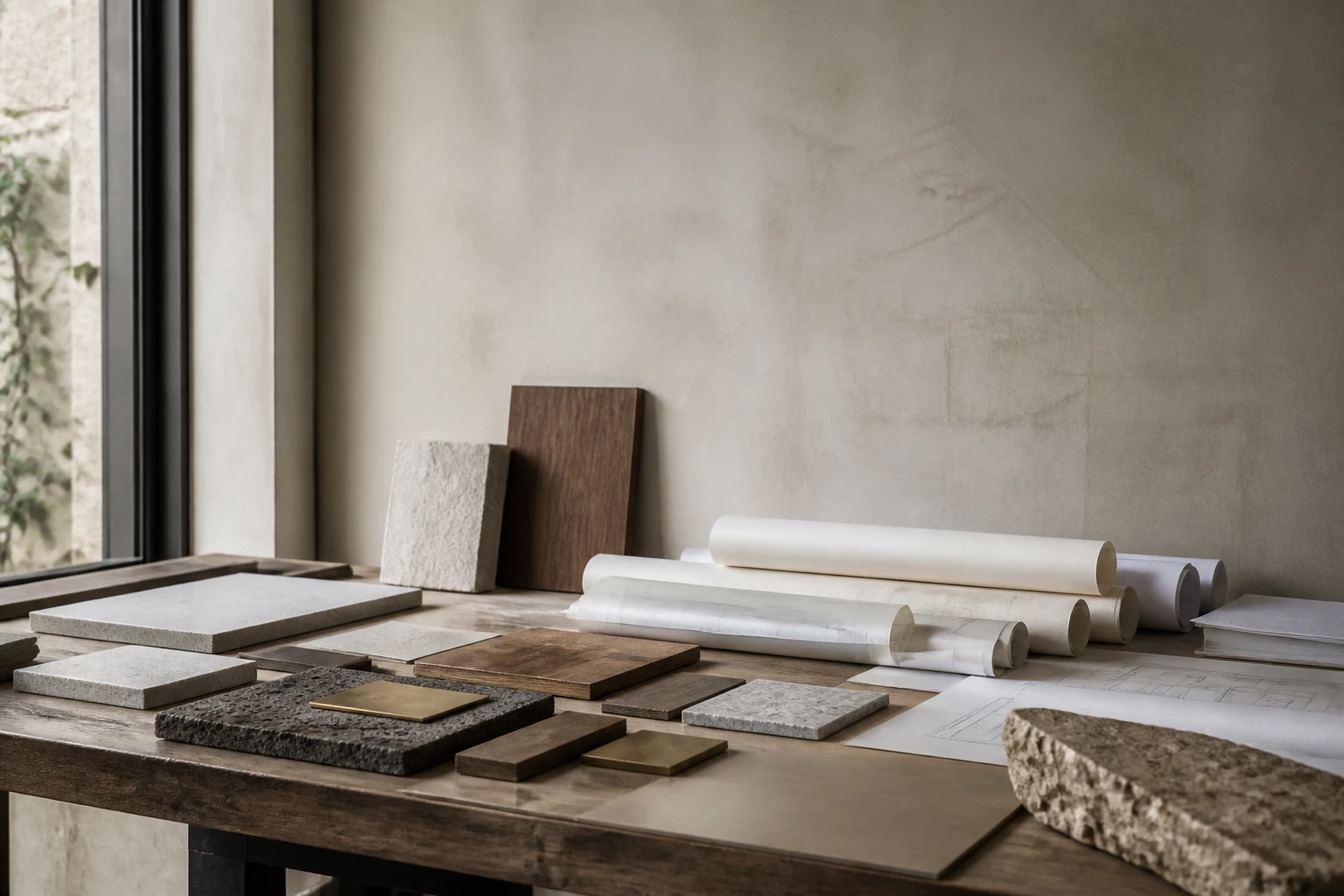
The palette is not treated as closed until the sample goes to site. The stone in place is different from the stone on the table. Lera Evi read the open stone once more in garden light. Avlu Evi also had to hold the courtyard floor after rain. This second reading is part of build.
A fabrication drawing is the bridge between the idea and the craftsperson. Without the bridge, everyone does what they know. We do not draw fabrication to reduce it; we draw it to clarify the decision. If a junction has been discussed twice, a third language does not appear on site.
Time is also a material. A hurried handover breaks the palette. A late frame should not be swapped in haste for another tone. At this point project management does not put the schedule above the idea. The schedule is the frame that protects the decision.
Architectural design should not leave a closed box for the site. Section, level and opening are also read in place. If an eave comes short, the light escapes. If a threshold stays high, the courtyard parts. At these moments the office does not invent a new house; it makes the house it drew stand in place.
Handover papers are also part of the language. Which stone, which paint, which junction. A piece that will change later should change with the decision from the first day. Otherwise the house drifts into another palette within two years.
A site meeting is kept short and clear. If everyone discusses everything, the decision scatters. Project management leaves one or two decisions of that day on the table. The rest waits for the next day. This tempo is like the tempo of the house: it does not hurry, it does not scatter.
Lera Evi did not leave the garden level, Avlu Evi the courtyard floor, to the last day. If these jobs are split off as a “landscape package”, the idea parts on site. Build holds the outside at the same time as the interior decision.
When the drawing ends, the work does not end. The work ends at the moment the decision stands in place. Build and management holding this in the same language is what makes it possible. Otherwise the house remains a distant relative of the idea in the office.