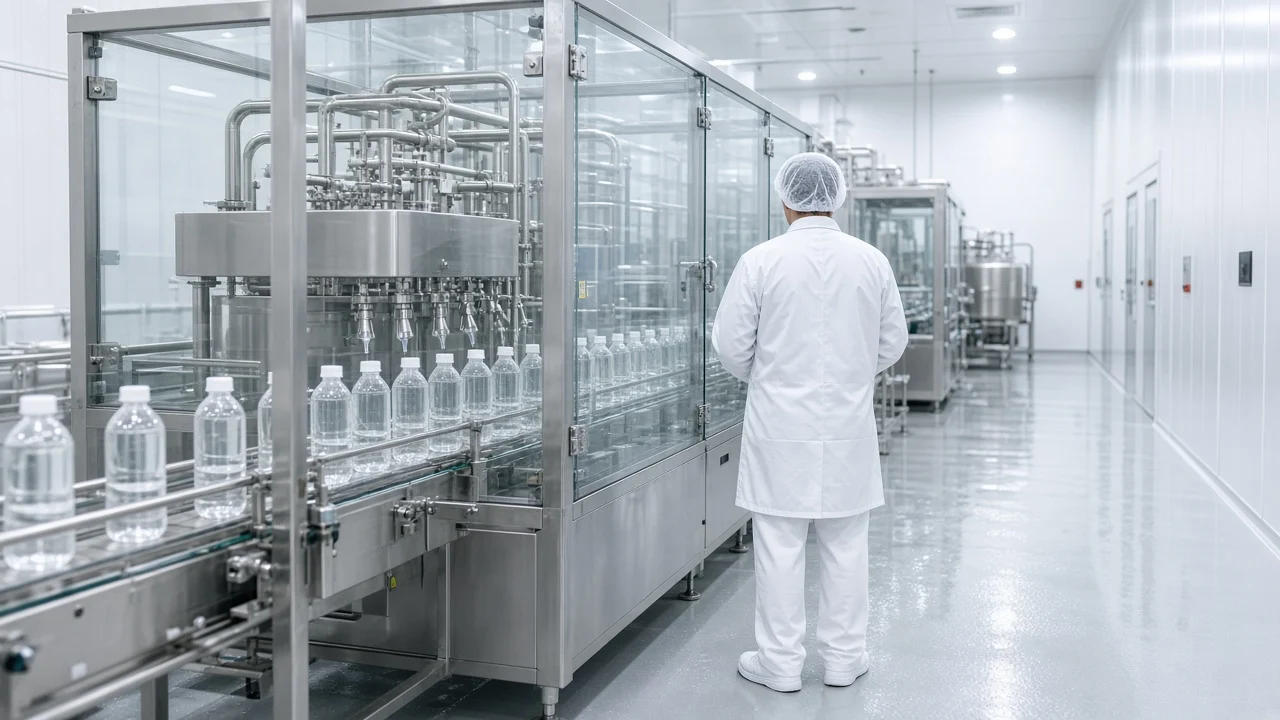
Stainless filling line in a hygienic food hall

Industries

Five industries.
Five line rhythms.

The same engineering language; different takt, hygiene, and tolerance rules. We do not dress one template onto every plant.

01

01 / Supply

Automotive

Takt locks on the line, not inside the cell.

On an automotive supply line, repeat, safety, and tempo belong in one package. If the cell runs alone, the line still waits.

Need · Manual assembly on a tight takt, a path that drifts shift to shift, and a safety envelope added afterwards.
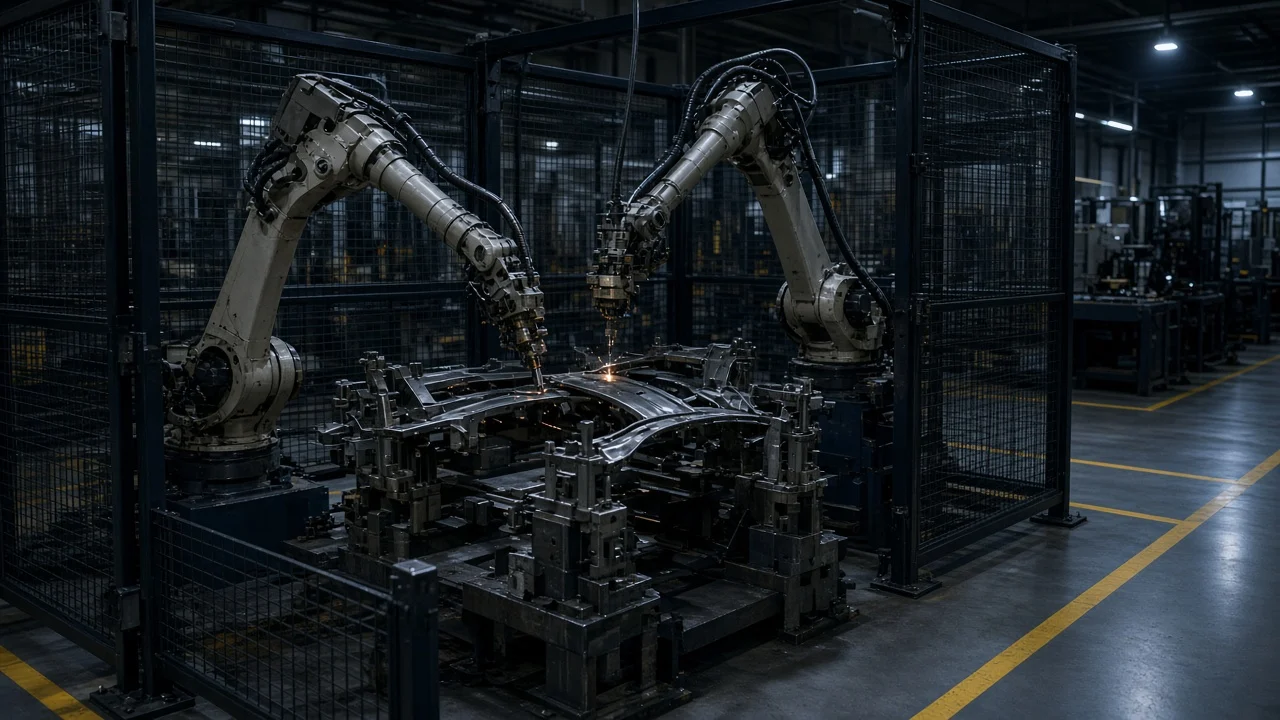
Industrial robots assembling metal parts in an automotive supply cell

Application

  • Part assembly and welding cells
  • Fixtured line transfer
  • End-of-line packing and pallet
Hygienic food hall with a stainless filling and capping line

02 / Hygiene

Food

A stop must speak to the cleaning window.

On a food line, reset, recipe, and batch record do not override the hygiene rule. Control stays in a language the night shift can still read.

Need

Scattered alarms, a locked recipe, and a sequence that fights the cleaning stop. Traceability is hunted in a separate report.

Application

  • Filling, weighing, and capping lines
  • Recipe SCADA and batch records
  • Surface, level, and label checks
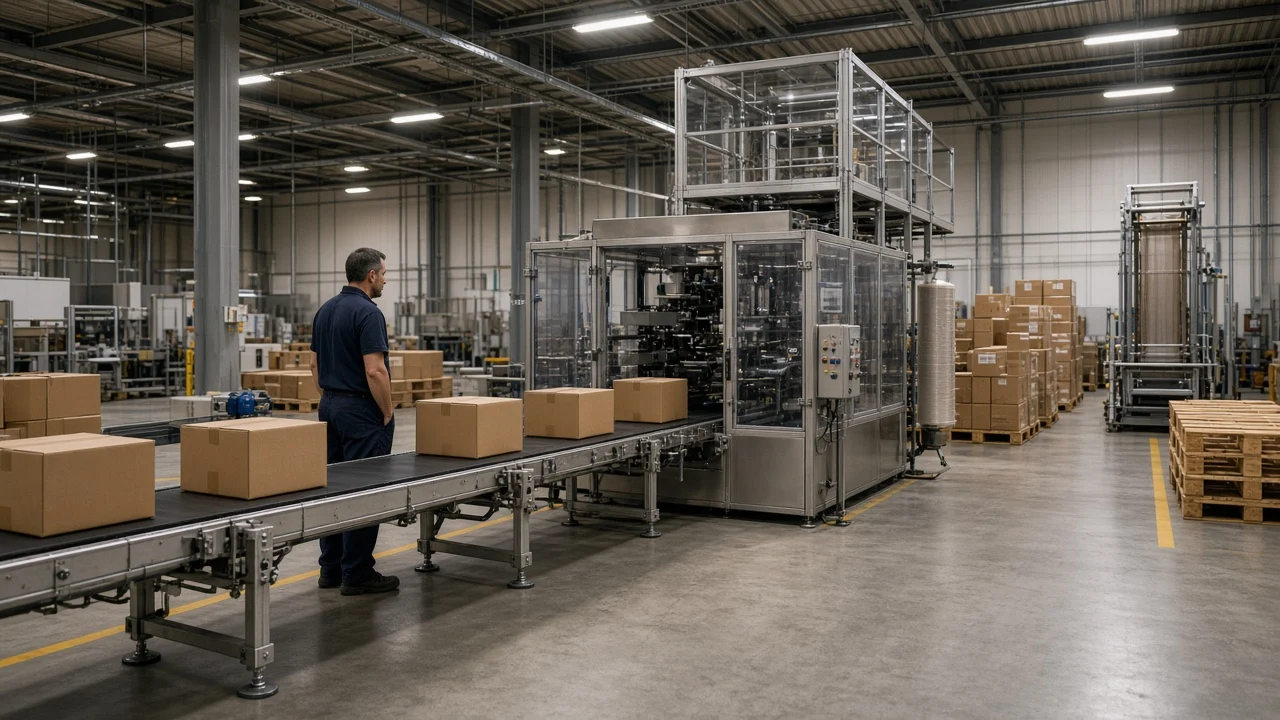
End-of-line packing area with cartons moving on a conveyor

03 / End of line

Packaging

The job does not end when the case is full. The pallet belongs to the line.

Packaging is not leftover work behind the stations. When the recipe changes, sequence, label, and pattern change with it.

Need

Product piled at the end of the shift, irregular pallets, and rejects that choke the line. Transfer is cut off from the packing cell.

Application

  • Case packing, labelling, and code reading
  • Recipe-driven palletizing cells
  • End-of-line transfer and buffer
Build the end of line together
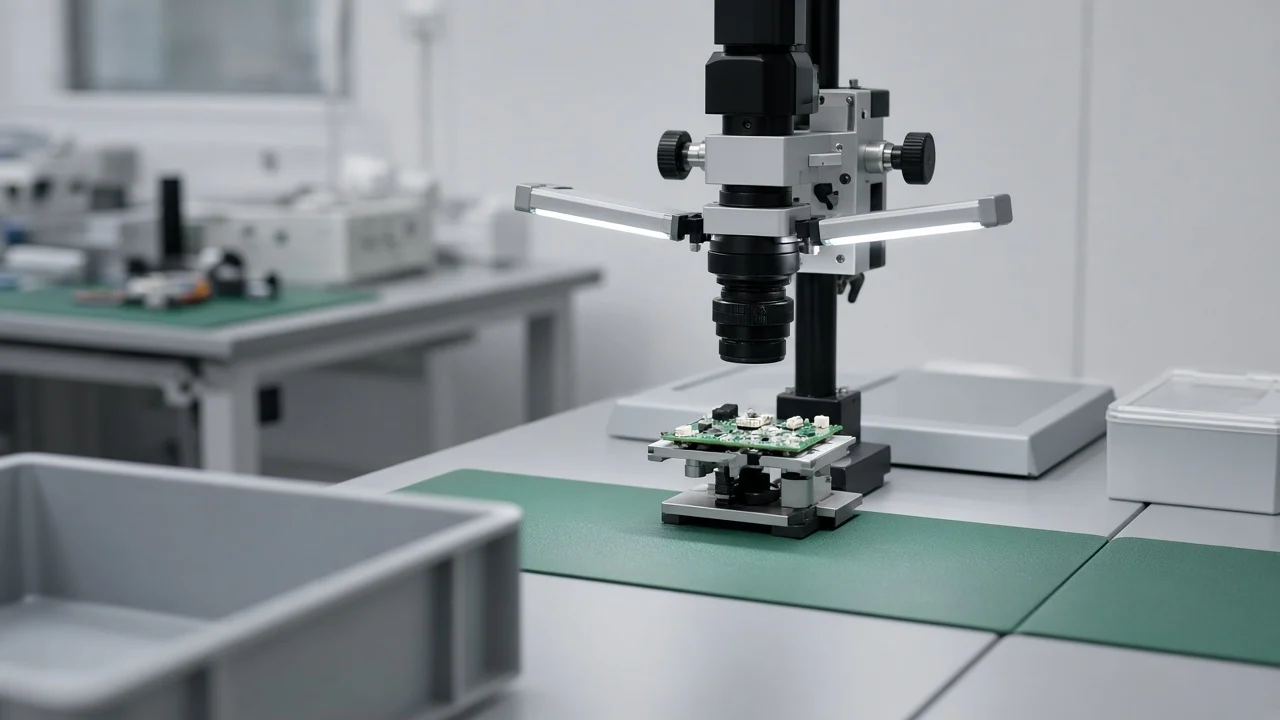
Electronic board inspected under a camera on an ESD bench

04 / Precision

Electronics

Accuracy comes before force.

In electronics assembly, a decision is a measurement, not an observation. If gripper and vision do not share a tolerance language, the fault arrives late.

Need

Pin, position, and assembly faults missed by eye appear at the next station — or at the customer.

Application

  • Precision assembly cells
  • Pin, position, and presence checks
  • Code reading and a traceable record
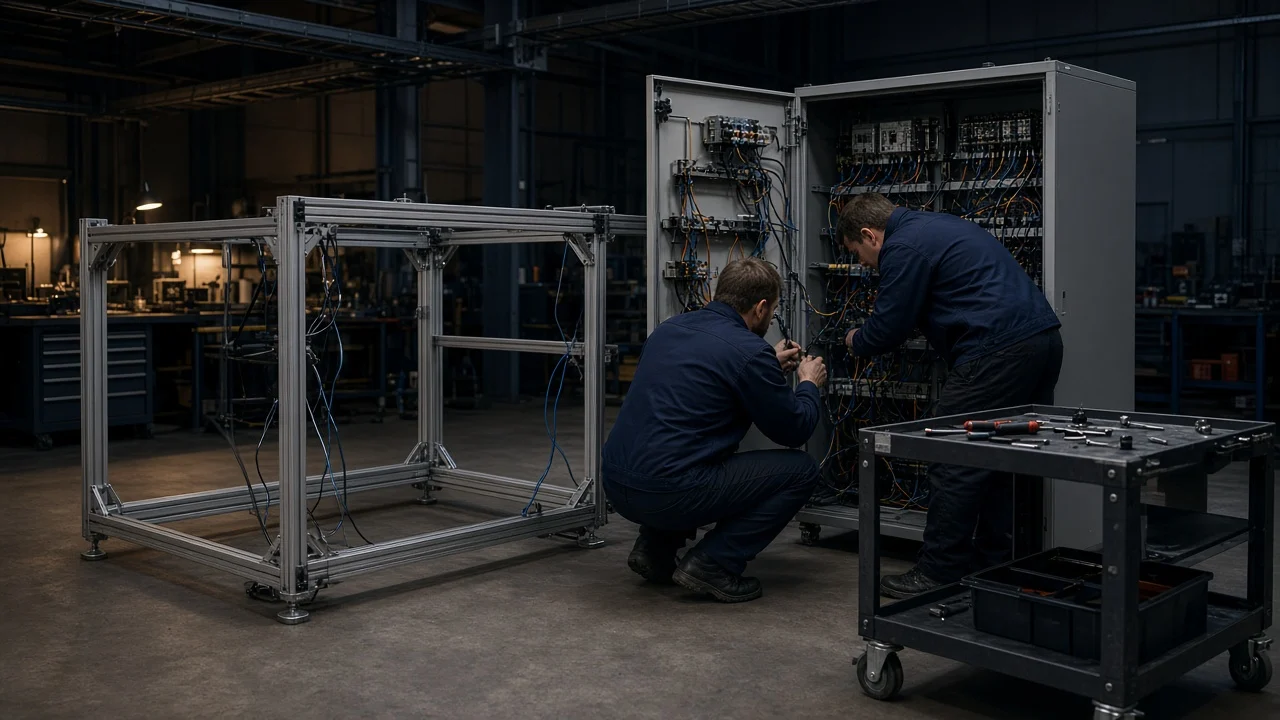
Two engineers wiring an open cabinet beside a special-machine frame

05 / In place

Machinery

Sound mechanics do not have to be stripped out.

On a special machine or an existing production line, the work is not to throw the mechanics away. It is to make the control readable.

Need · A controller that cannot be spared, software that belongs to one person, and interventions that stretch on every stop.

  • Special-machine PLC and motion
  • Existing cabinet and safety update
  • Tying stations into one line
Lock the machine scope

Approach

We read the industry from the work sitting on the line, not from a catalogue.

  1. 01

    Rhythm first

    The same five services; different takt, hygiene, and tolerance rules. An automotive template is not dressed onto food.

  2. 02

    Choose the service on the line

    Scope comes from the work that is stuck, not from a sector catalogue. Cell, flow, decision, or update.

  3. 03

    Speak through the application

    A sector sentence does not close before the assembly, filling, or palletizing on the floor.

Engineering team wiring a cabinet beside a custom machine

Industry

Which line rhythm is yours?

Automotive, food, packaging, electronics, or machinery. We lock which job comes first without stopping the plant you already run.

Full request form