Yükleniyor
Yükleniyor
Yükleniyor
Yükleniyor
Capabilities
Which surface closes in a single setup, which allowance is written on the record, and which dimension sits on the table — the technical decision is made here.
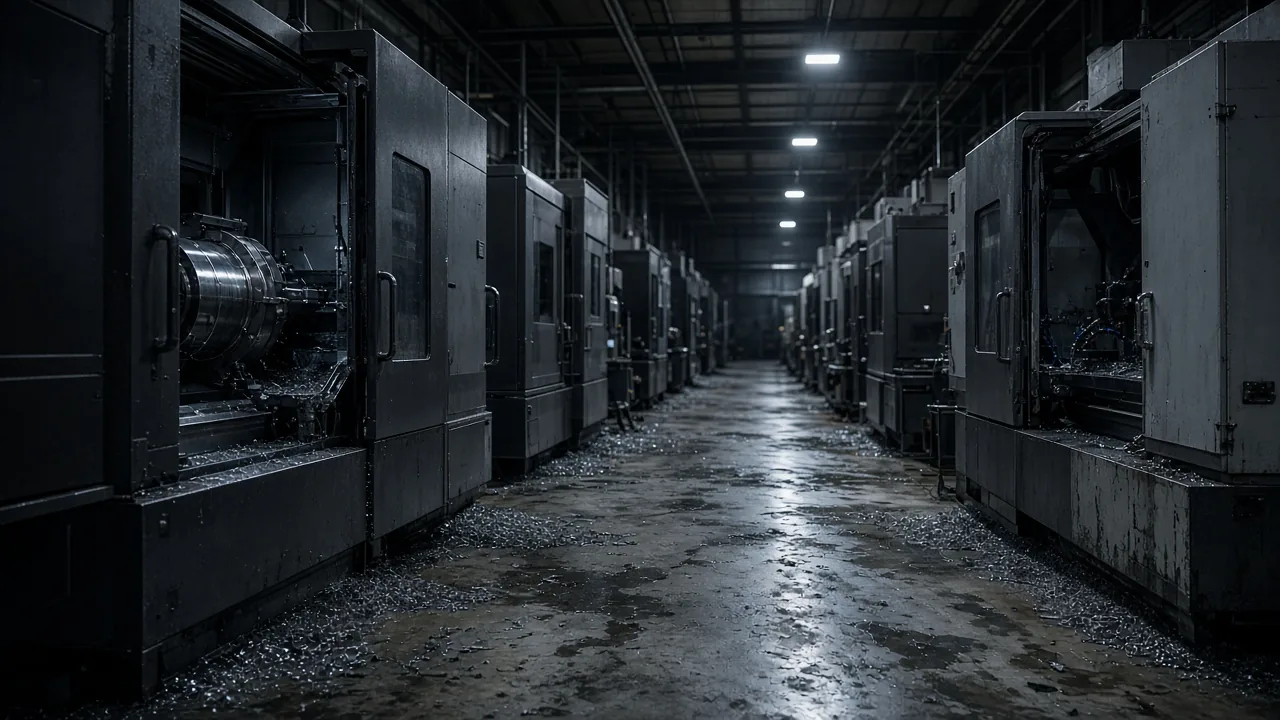
Technical approach
When the file arrives, a machine is not selected. Which plane is datum, how many setups will stand, and which dimensions are written on the record are discussed. The goal is not to multiply stations — it is to close the part in the fewest setups, repeatably.
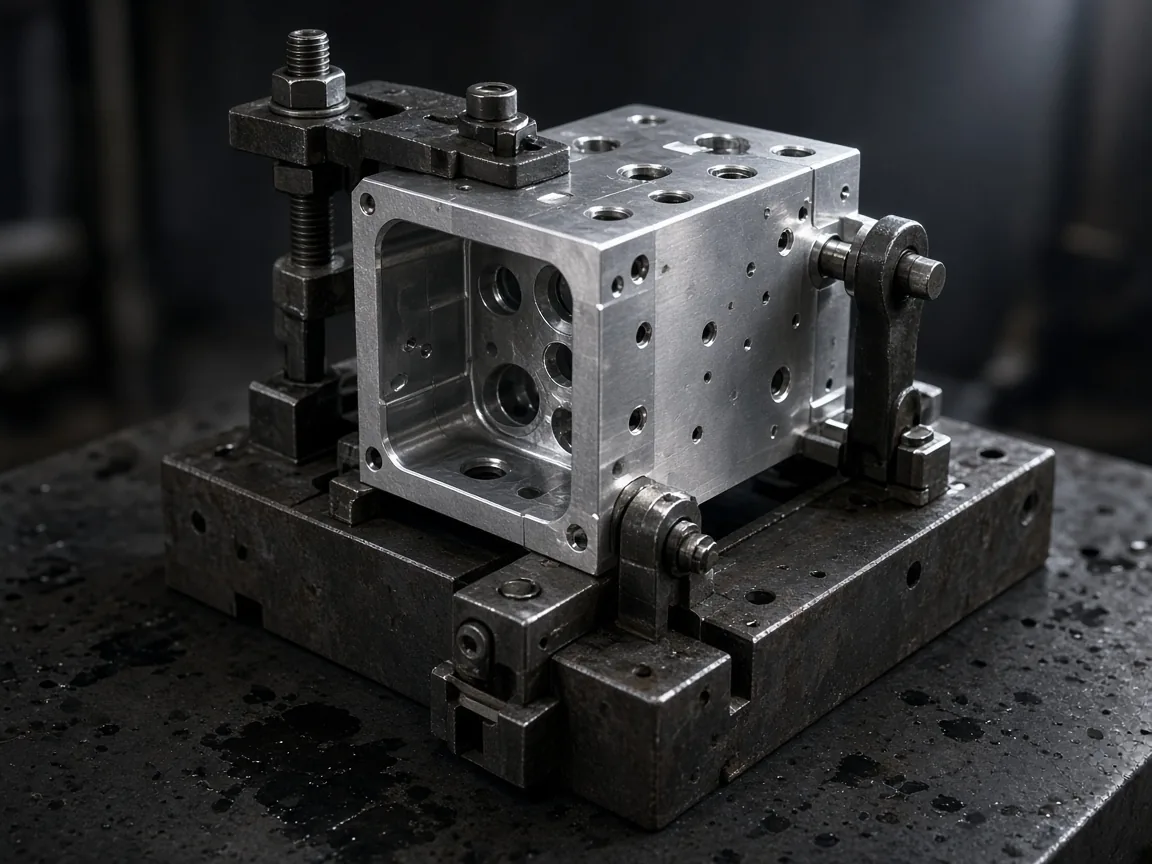
01
Toolpath does not open until clamping surface is written. Measurement lives where the part is held.
02
If second clamping breaks the first reference, geometry moves to 5-axis or a single plate.
03
Long overhang is not left in tight pockets. Short tools, collision-controlled paths.
04
Unwritten roughness, allowance, or position does not count as delivery. The card is not left to the field.
Core capabilities
This list is not a menu. Each line says which part closes on which station. Service detail sits separately.
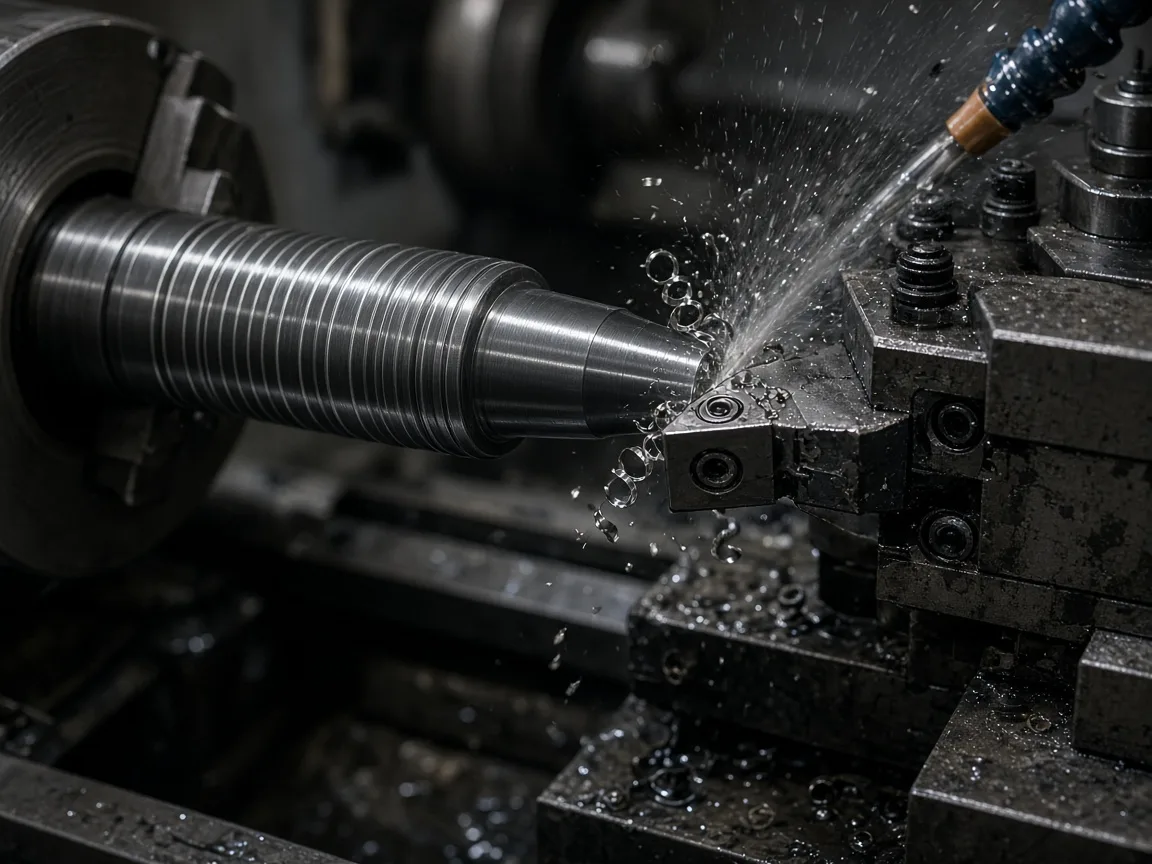
01
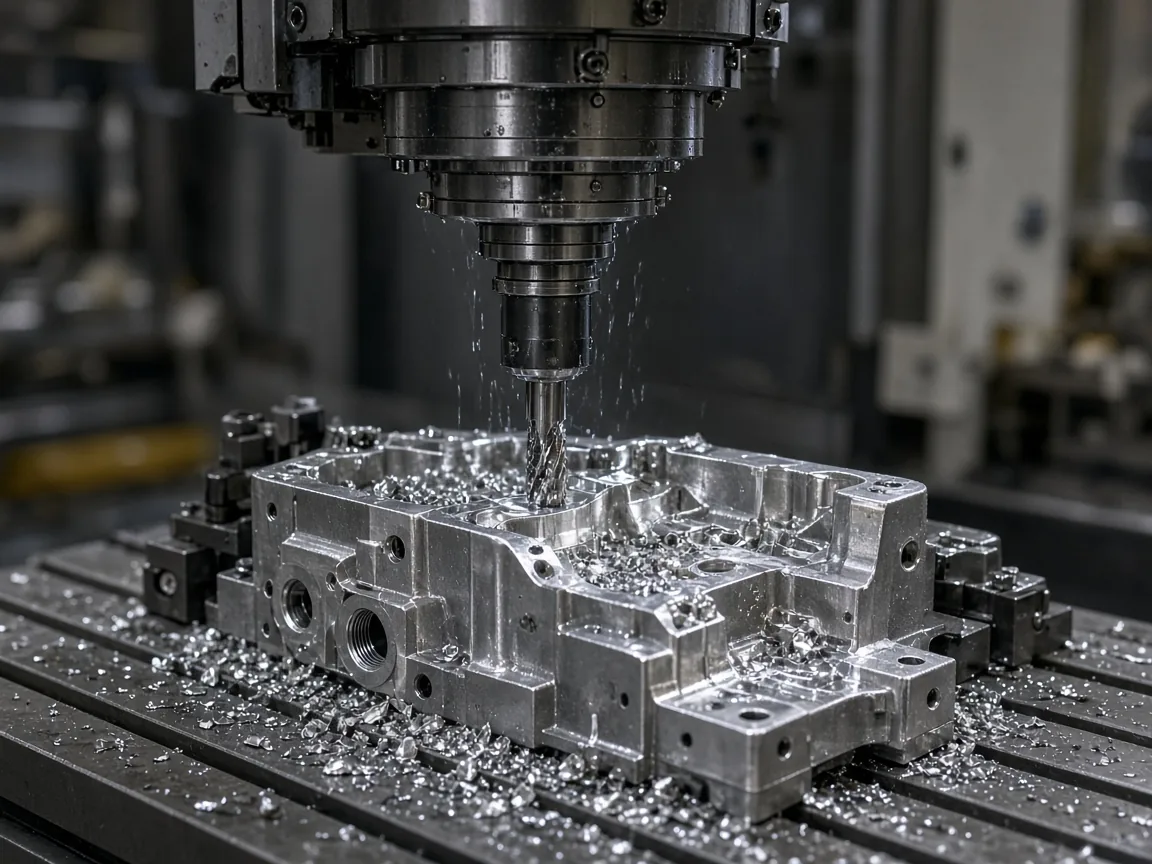
02
03
04
05
06
Equipment / technology
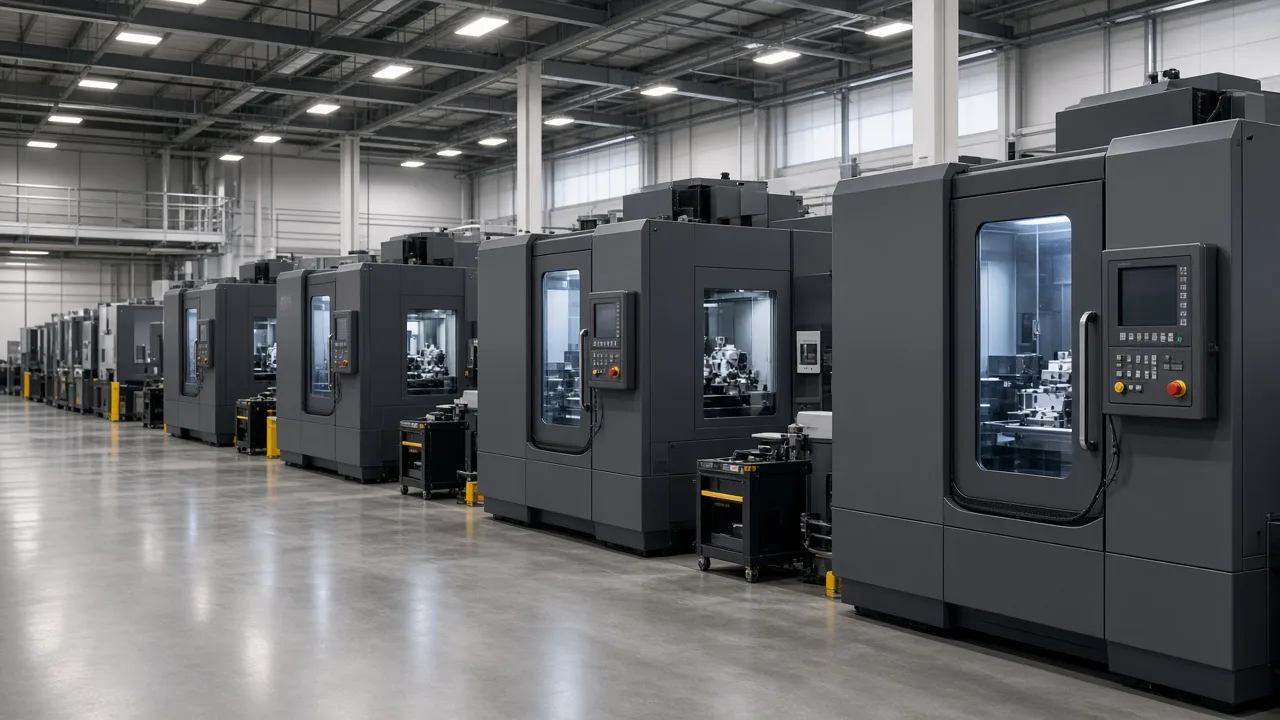
We do not publish brand and capacity tables. The groups below say in which clamping and cutting language the part stands.
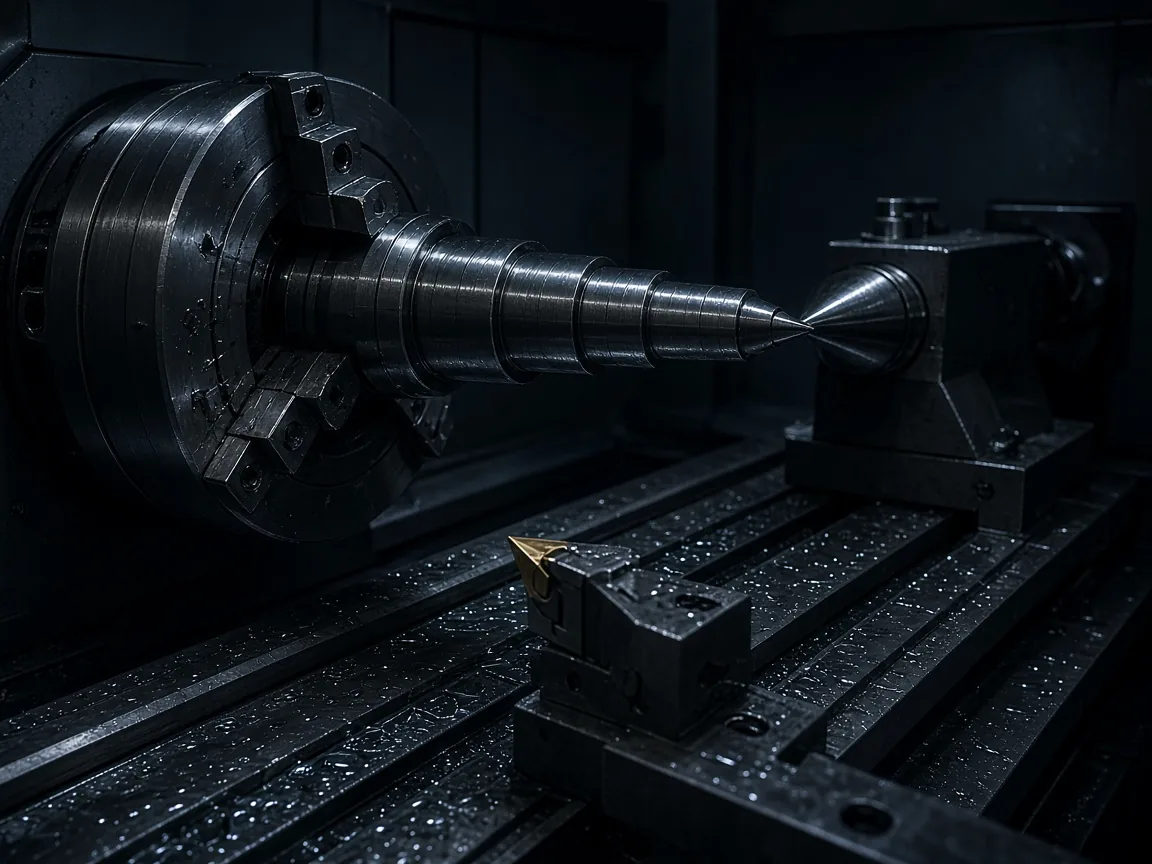
01 · Turning cells
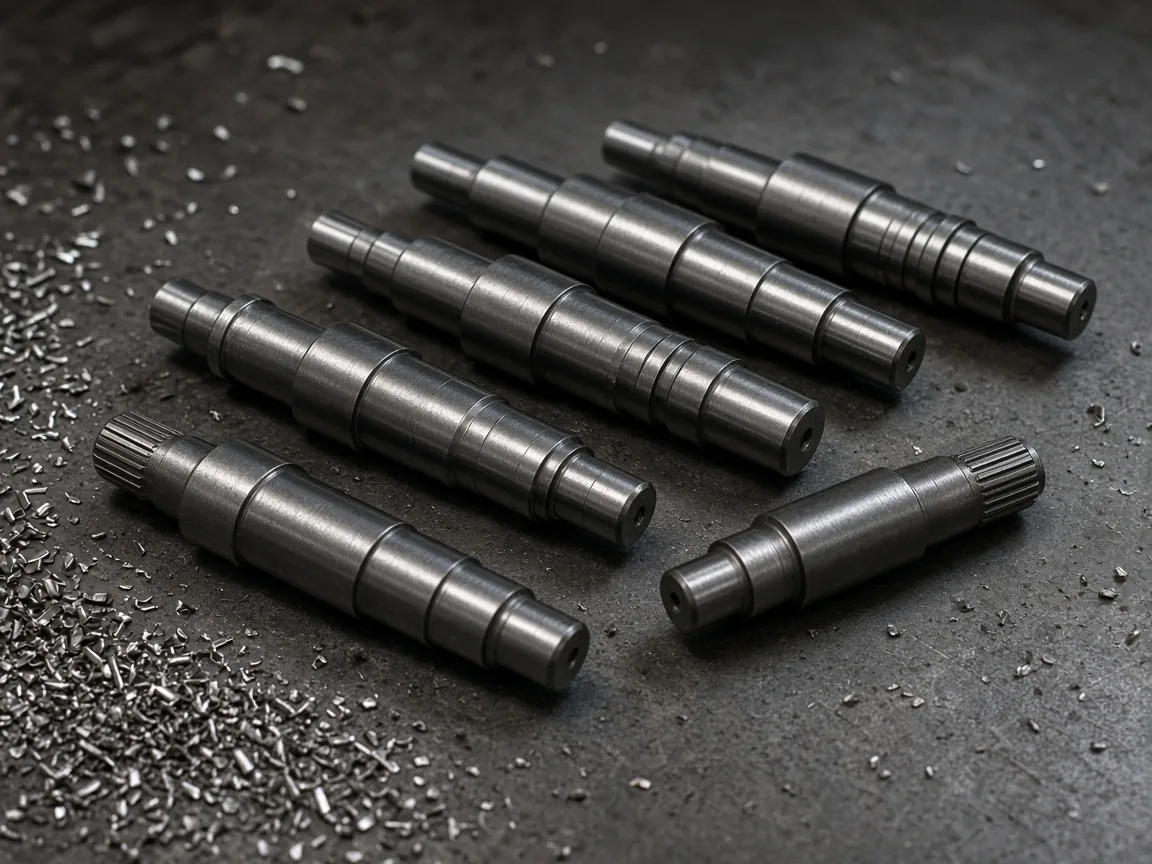
Rotational chain, face reference, live center. Shaft length and diameter steps select the cell.
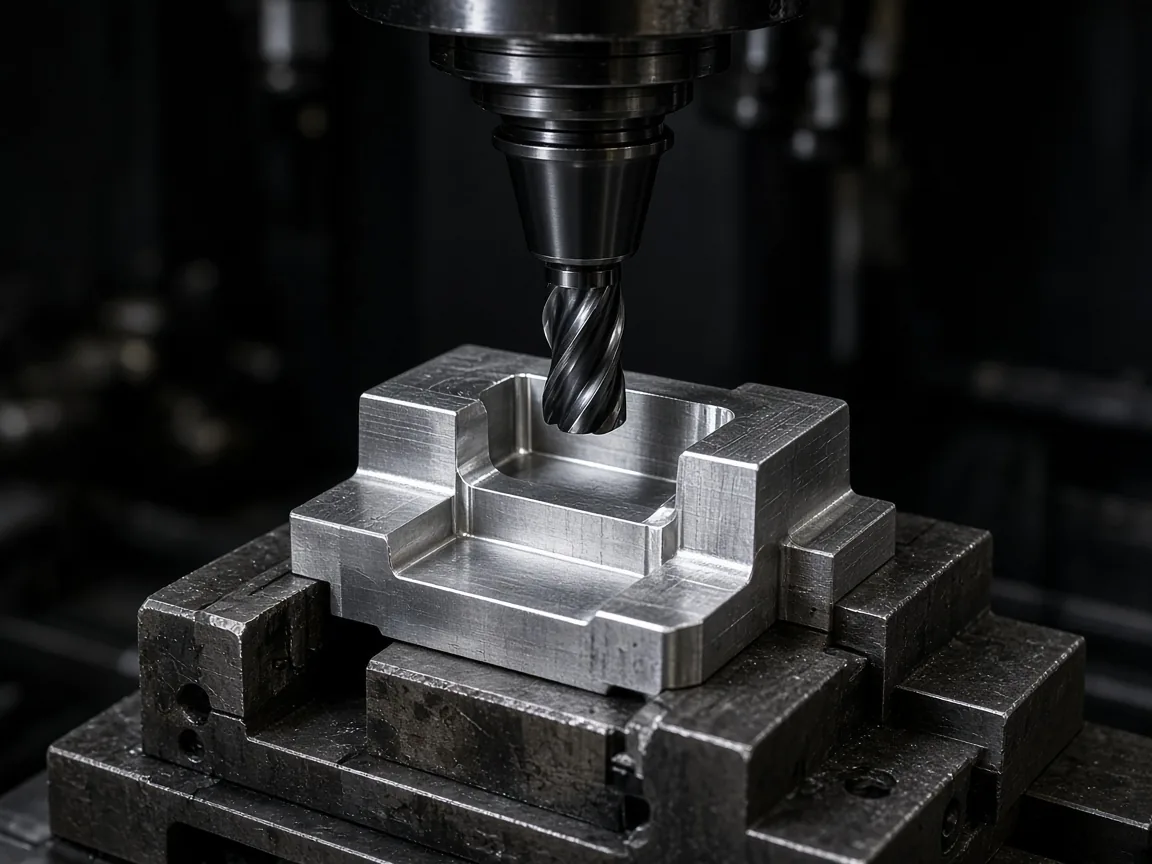
02 · Vertical machining
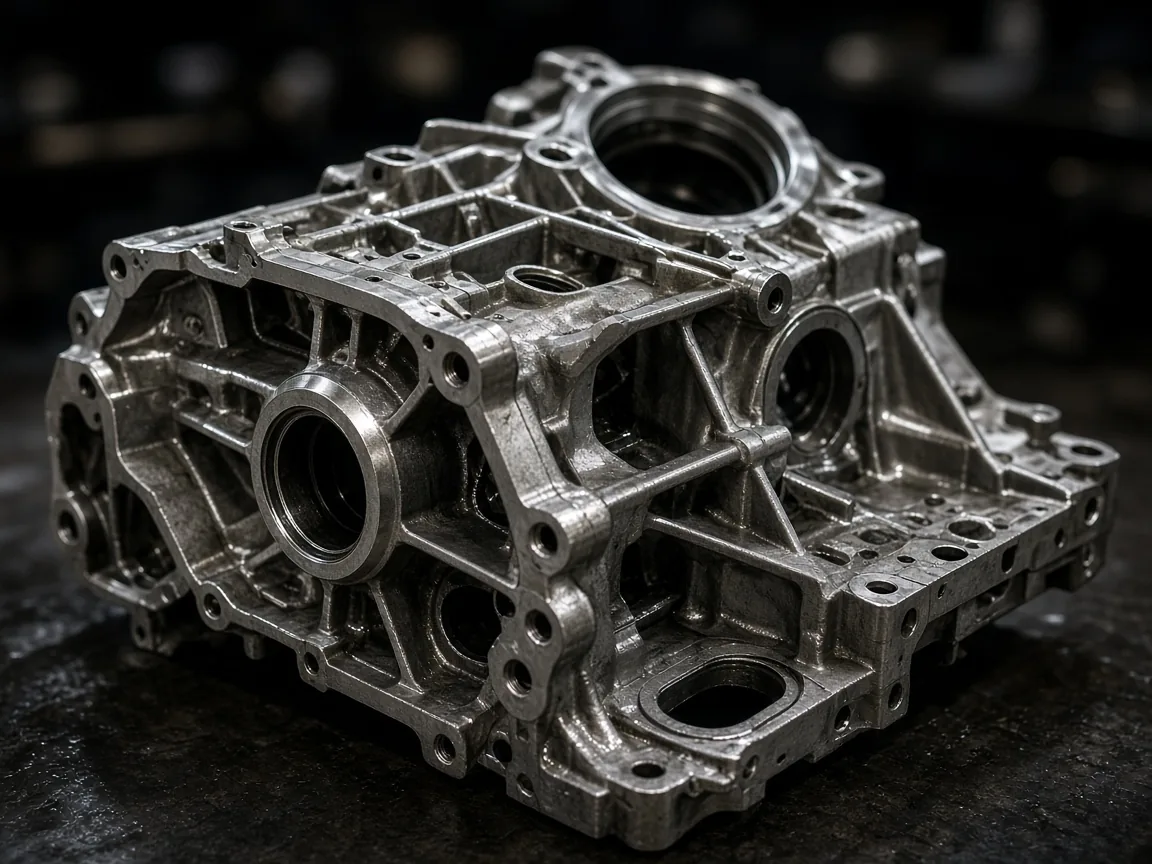
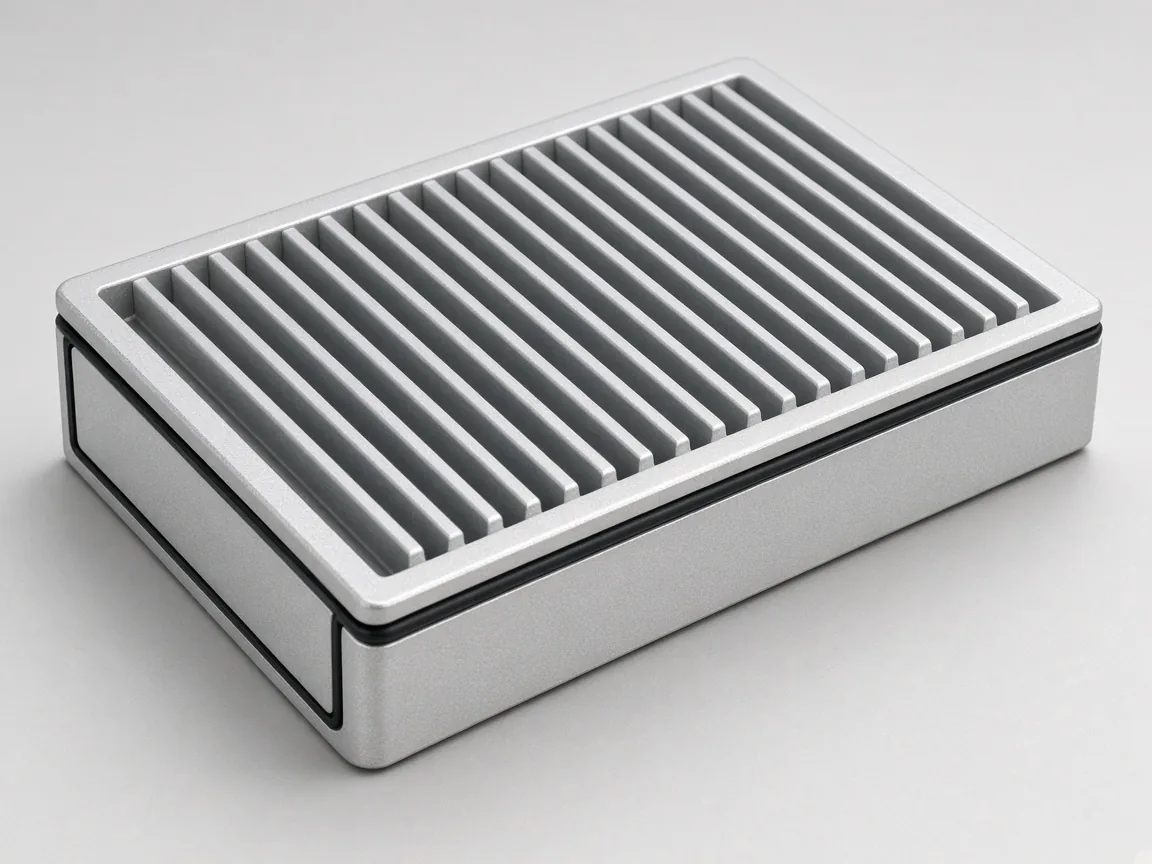
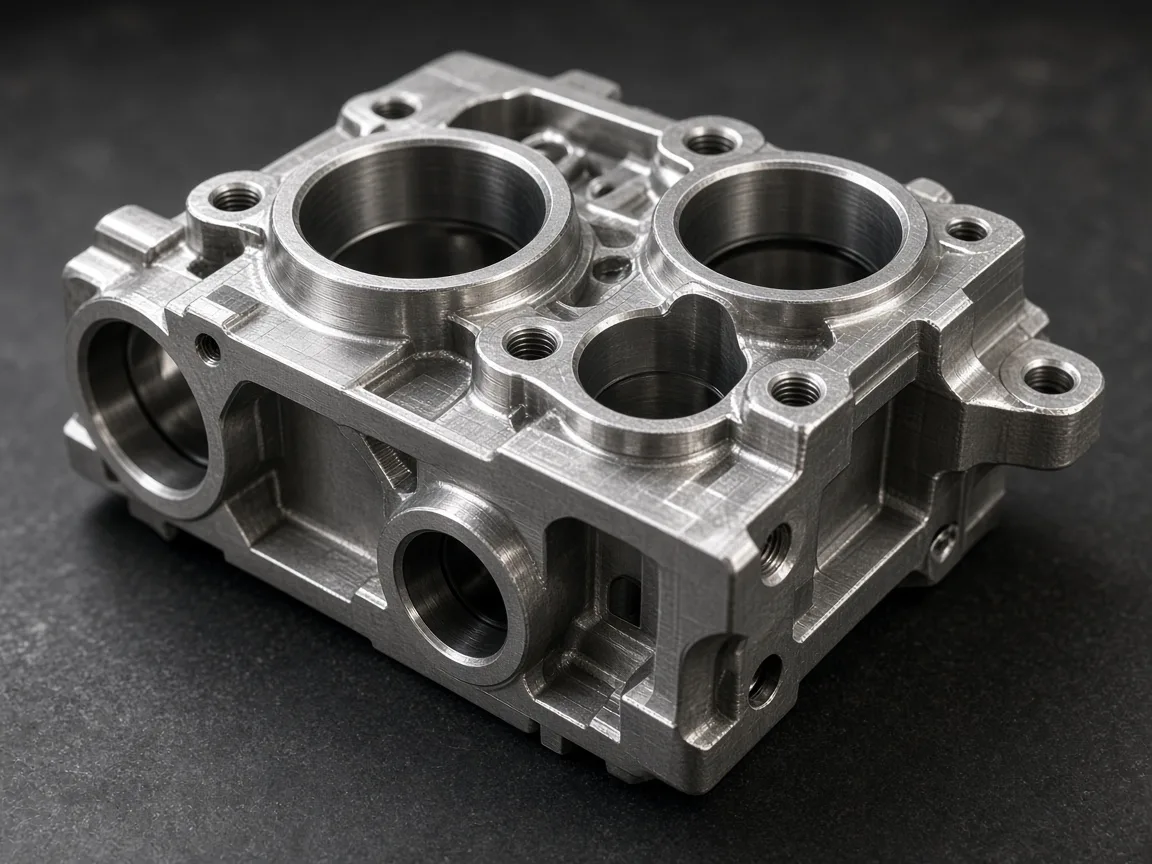
Plate, vise, and multi-face clamping. Pocket, cover, and screw pattern on the same datum.
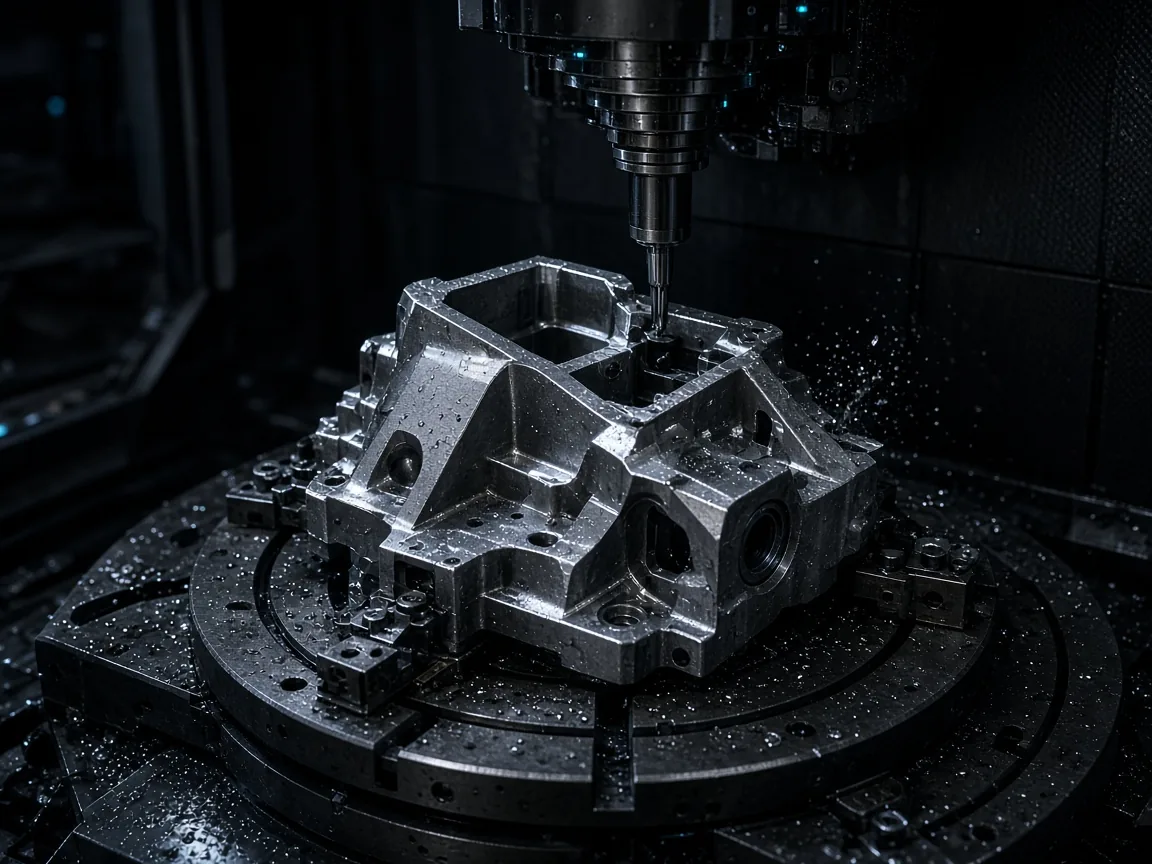
03 · 5-axis
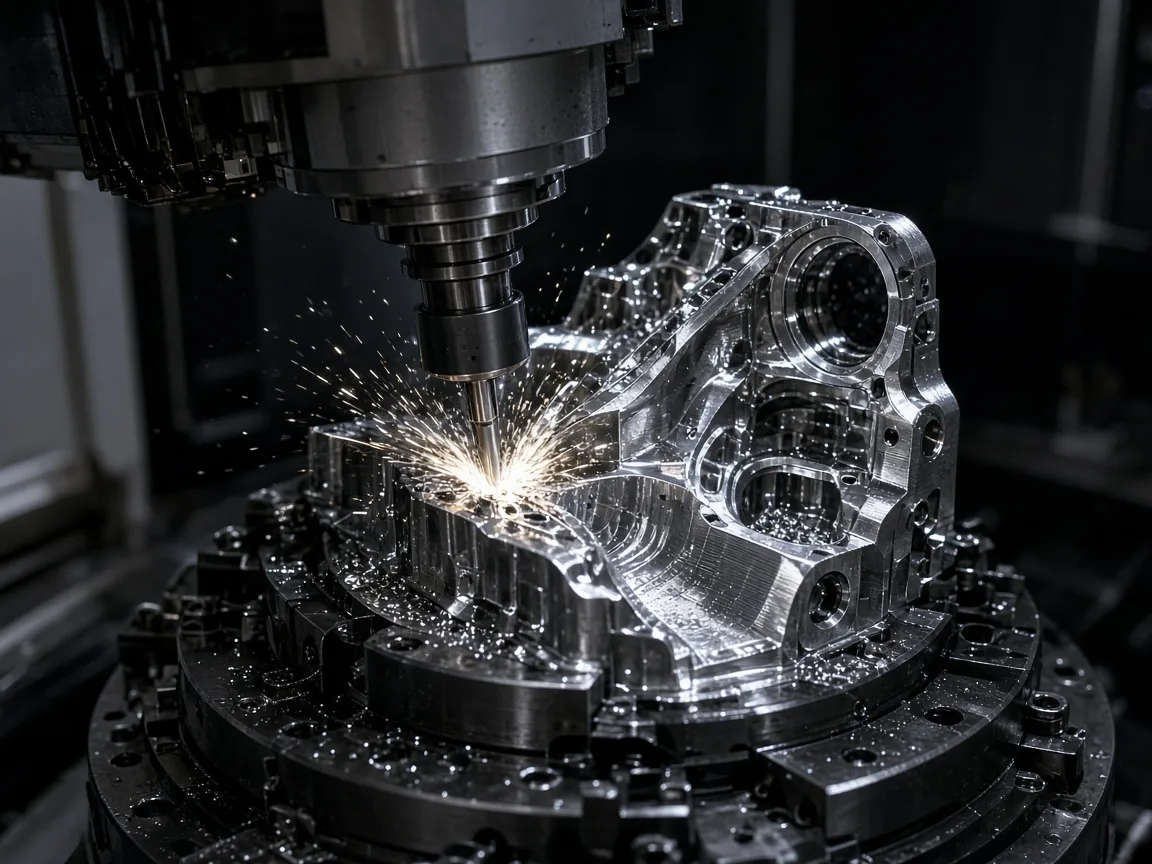
Rotary table, short tools, collision-controlled paths. Angled face does not seek second setup.
01 · Turning cells
Rotational chain, face reference, live center. Shaft length and diameter steps select the cell.
02 · Vertical machining
Plate, vise, and multi-face clamping. Pocket, cover, and screw pattern on the same datum.
03 · 5-axis
Rotary table, short tools, collision-controlled paths. Angled face does not seek second setup.
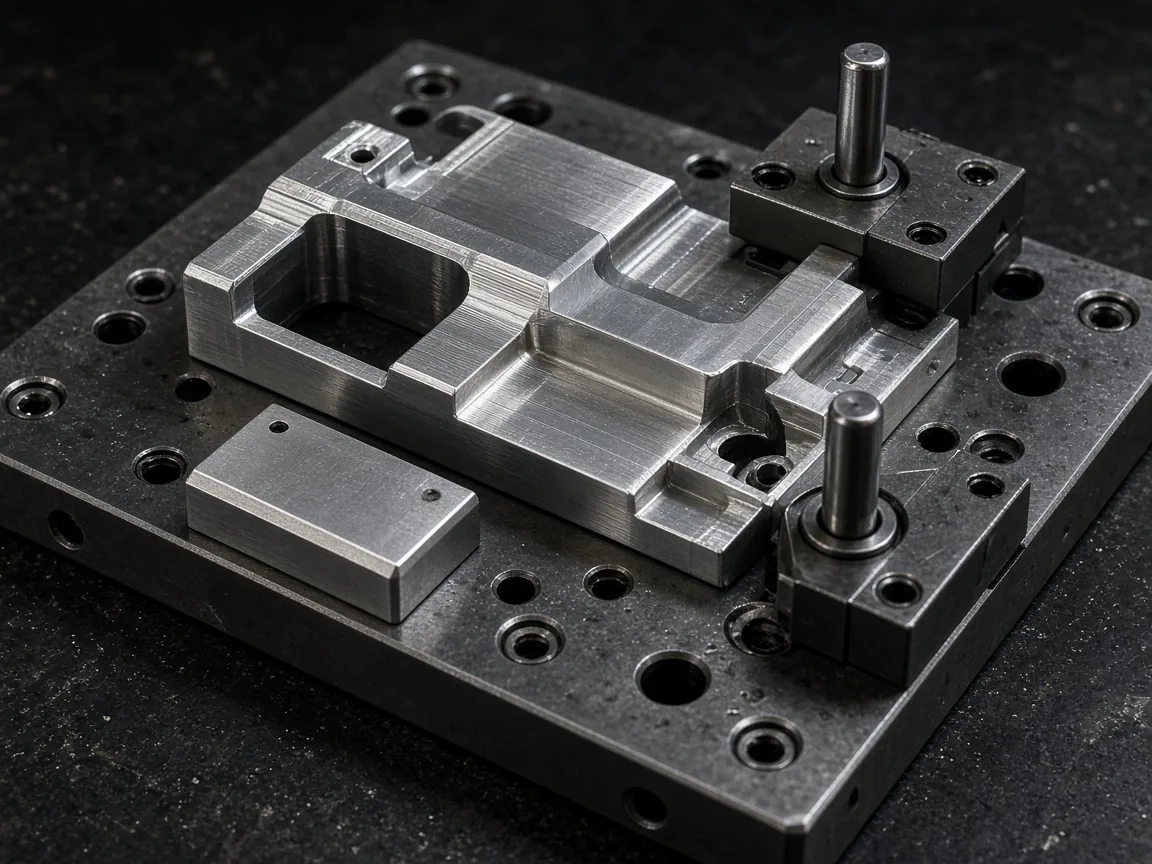
04 · Workholding
Fixture and jaw close before toolpath. When reference changes, the card changes.
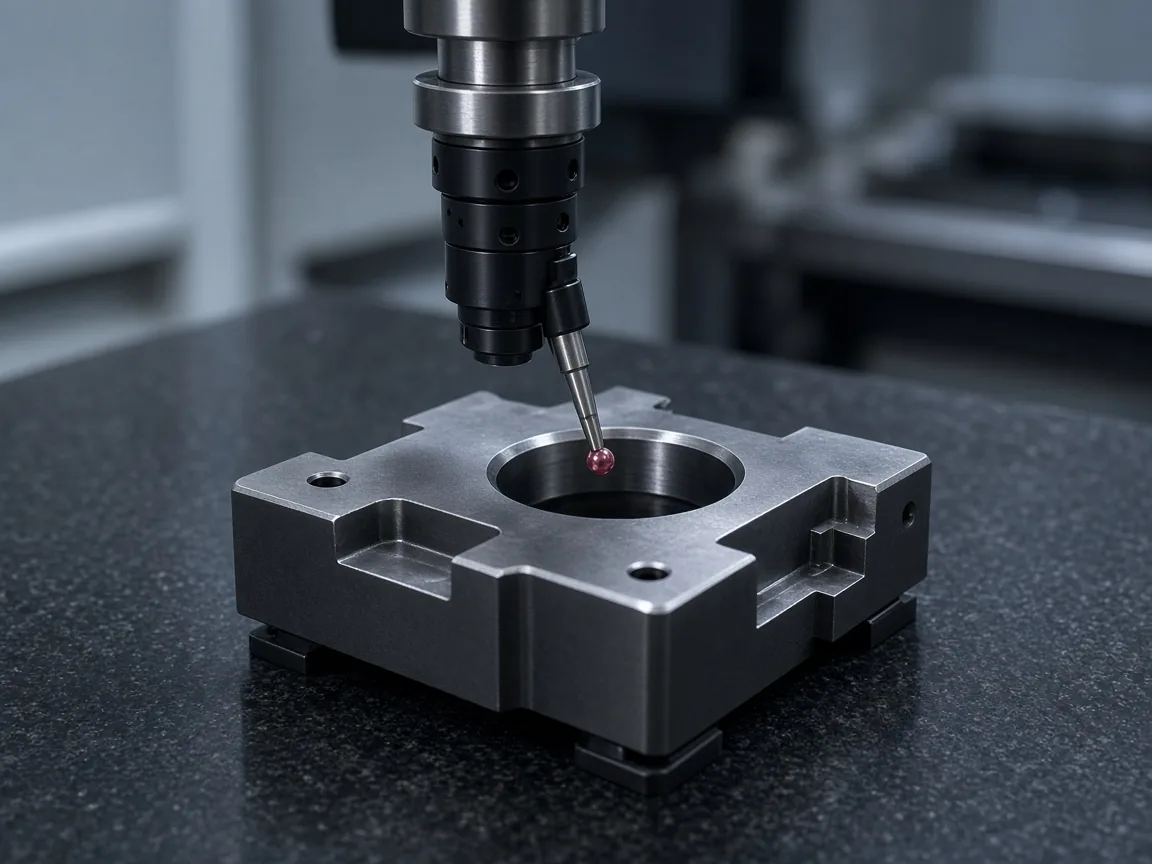
05 · Metrology
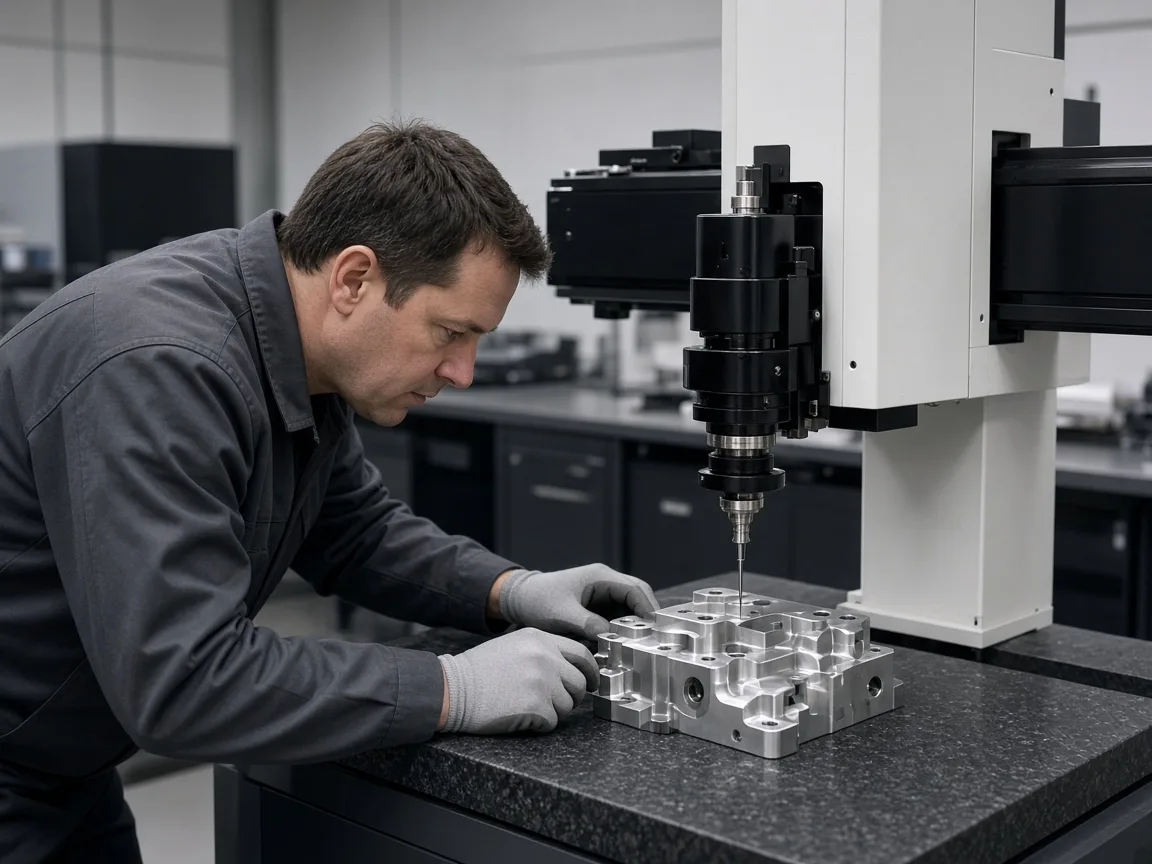
Granite, CMM, and form. Written dimensions sit on the table; unwritten does not count as delivery.
Production flow
Flow is not a software dashboard. From file to tray, the same language: workholding, cut, measure, lock.
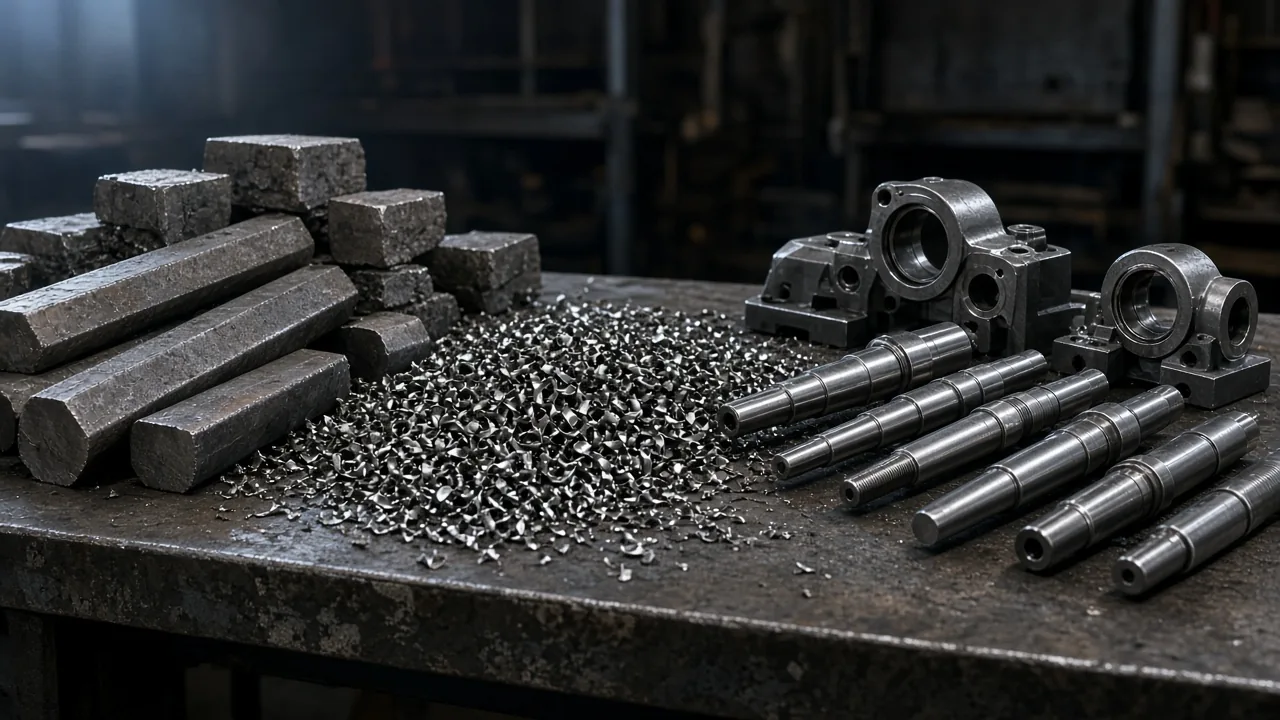
Drawing, material, tolerance. Which surface will be datum is marked.
Jaw, plate, or fixture. Setup count closes here.
Cut sequence, tool length, collision control. No cut without written path.
Measurement on the table, assembly if needed. No second part without approval.
Program, chuck, and in-process measurement frequency stand. Version does not change.
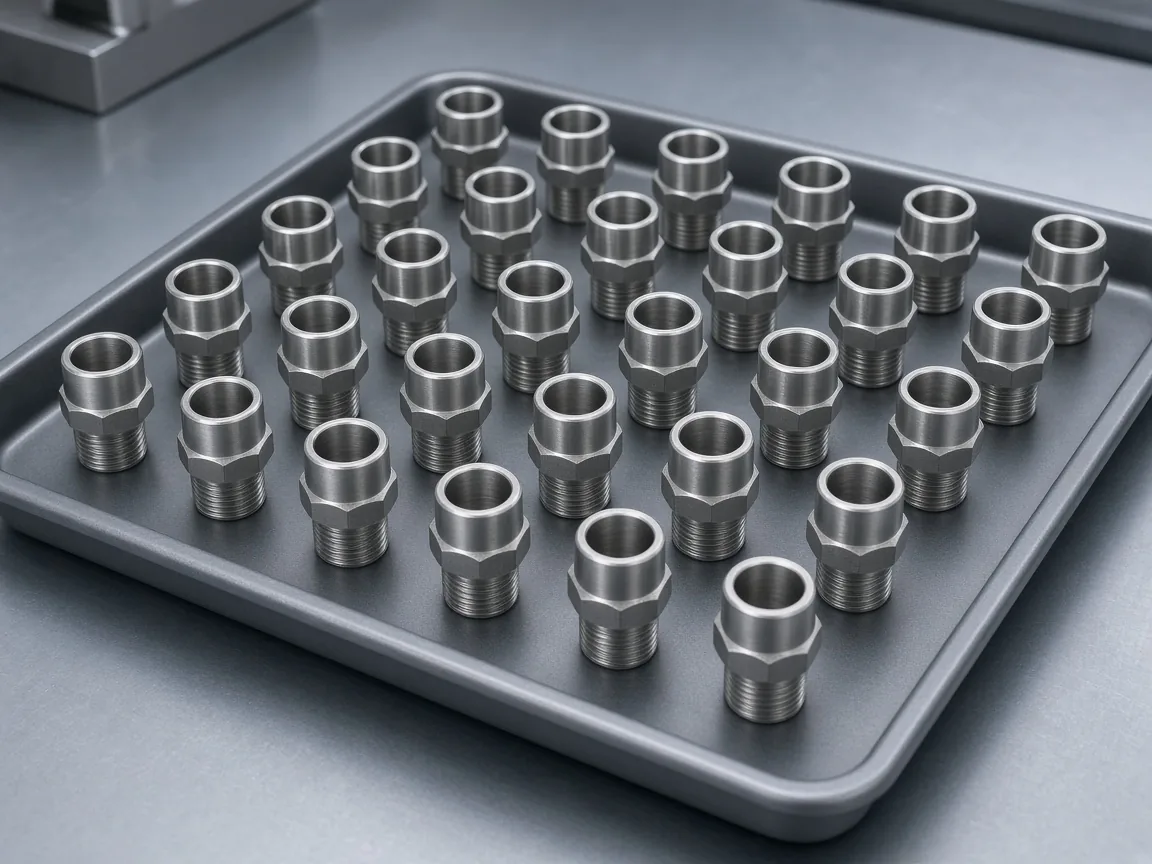
In-process check at tool change. Tray must be a copy of the first card.
Quality approach
Quality is not a separate room — it sits on the same record as workholding and cutting. First part, tool change, and surface note — the batch does not close until written.
Serial card is not written until body or shaft is seen on the table.
Written diameter, circle, or seat is checked at every tool change.
Gasket, bearing, and sealing faces are written on the record.
Label, measurement, and program version close in the same language.
Engineering capability
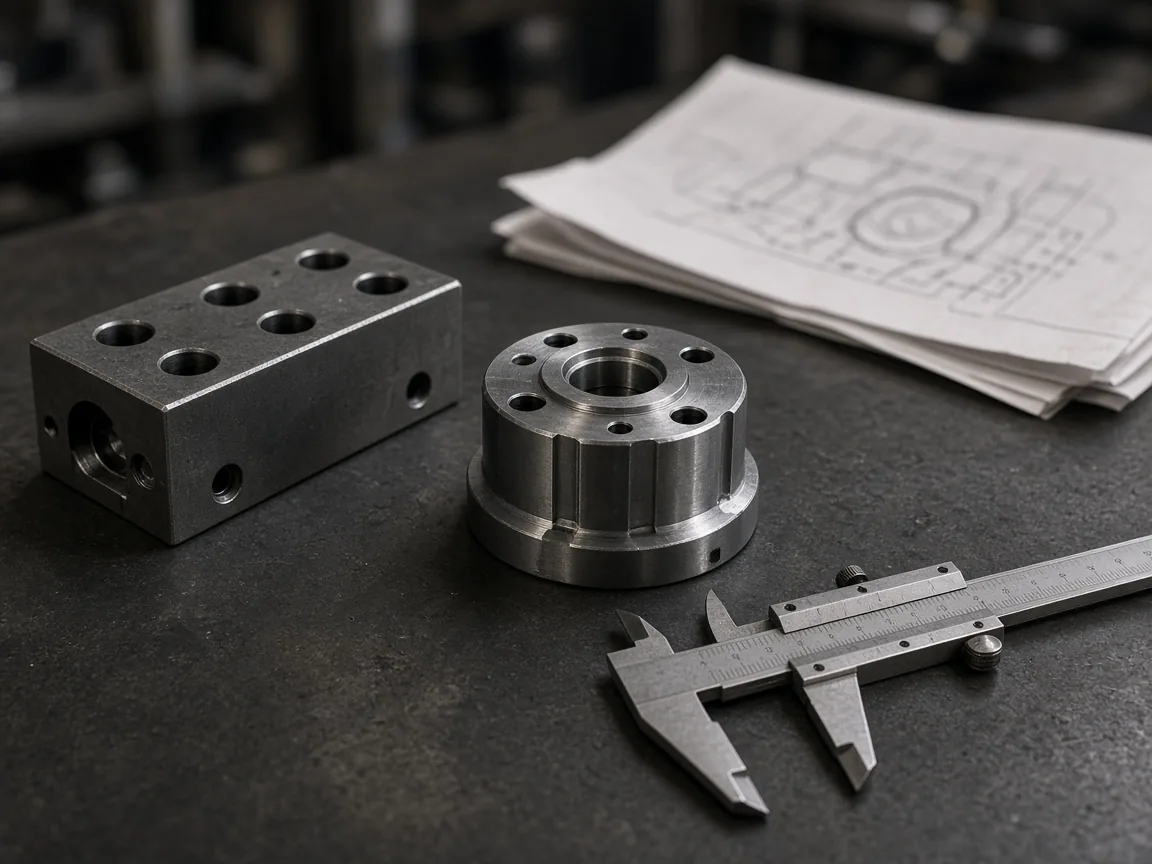
Engineering is not a screen dashboard. DFM note, workholding intent, and tooling strategy sit beside the part. The card does not multiply until revision locks.
Thin wall, angled pocket, unreachable thread — non-manufacturable areas marked on the file.
Which face becomes jaw or plate is written before toolpath.
Short tools, allowance, rough–finish sequence. Long overhang is not forced into tight volume.
Approved card multiplies. When drawing changes, chuck and program reopen.
Related services
Competence delivers in service.
Related industries
The same process, different part language.
Sample applications
Selected jobs. Each with a different geometry and line.
If drawing, material, and quantity are clear, we discuss from the start which cell opens, how workholding locks, and where the first part is measured.